
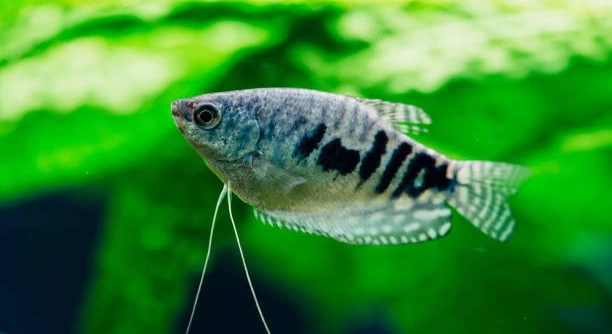
Are your gourami showing signs of stress and refusing to explore their tank like they used to? Low-light conditions might be part of the issue, especially if their environment isn’t providing enough comfort or security.
The best way to support stressed gourami in low-light conditions is by adjusting their tank environment with proper hiding spots, dimmed lighting, and minimal disruption. These changes help reduce anxiety and support more natural behavior patterns.
Simple tweaks in lighting, tank setup, and routine can make a big difference in how your gourami feel and behave each day.
Adjust the Lighting Gradually
Sudden changes in lighting can easily make your gourami feel unsafe. If you want to reduce the stress they’re showing, start by dimming the lights slowly over several days. Quick changes in brightness can cause them to hide or act erratically. Instead of flipping lights on or off, use a timer to simulate a natural transition between light and dark. Choose a soft white or warm-toned LED light rather than a harsh one. Also, place the tank away from windows or direct sunlight to avoid sudden glares or reflections. A consistent low-light routine can help them feel more relaxed and encourage steady activity throughout the day. Fish like gourami rely on subtle changes in light to understand when to eat, explore, or rest. Giving them a predictable and soft-lit environment can support these behaviors naturally.
Stick to the same lighting hours daily to help your gourami build a stable routine.
Avoid lights that are too bright, especially if your gourami are already hiding more than usual. Some fish feel safer when they can rest under calm, dim lighting. Plants and driftwood can also help absorb and soften light. These additions create quiet corners where your gourami can unwind without feeling exposed. Dim light helps lower their alertness and gives them a better chance at feeling secure in their surroundings. If your lighting setup is adjustable, keep it at its lowest safe setting. Observing your gourami’s response over time can help you find the right balance between visibility and comfort. Try to avoid switching lighting settings too often, even if it looks fine to you. Your fish may need longer to adjust than expected.
Use Floating Plants for Shade
Floating plants are a quick and effective way to soften the light entering the tank. They also offer surface cover, which can make your gourami feel protected and less anxious.
Amazon frogbit, water lettuce, and red root floaters are popular choices for a reason. They grow quickly and provide wide coverage without blocking oxygen exchange. Gourami tend to swim near the surface, so having shaded areas right where they hover can improve their comfort. These plants also help mimic a more natural setting, which is especially helpful in low-light tanks. Many gourami live in slow-moving waters with plant-covered surfaces. By replicating these features, your tank becomes more soothing and familiar. Be sure to leave some open spots for feeding and airflow. Trim floating plants regularly so they don’t overgrow or trap debris near the surface. This method is simple, but it has a strong impact on mood and behavior. Your gourami may start to come out more often and explore calmly once they feel hidden and safe.
Reduce Reflections and Glare
Reflections on the tank glass can confuse or scare your gourami. This can lead to pacing or sudden darting, which are signs of stress. Covering the sides of the tank or adjusting room lighting can reduce these reflections easily.
Use a dark background on at least one side of the tank to block outside movement and reduce unwanted reflections. Sometimes, lights or windows behind you can bounce off the glass, making the fish think there are other fish nearby. This can make them feel like they’re being watched or challenged. You can also try placing plants or decorations near reflective spots. These will help break up the surface and reduce mirror-like effects. Room lights should be soft and not aimed directly at the tank. The goal is to keep everything calm and consistent. It might seem like a small change, but it often leads to a big improvement in behavior.
Glare from lamps, screens, or bright objects near the tank can also be overwhelming. Try using curtains to filter sunlight or moving light sources slightly away. If you use a tank lid with glass, clean it regularly to prevent light distortion or buildup that scatters light. Angling lights slightly downward can also help prevent sharp glare spots from appearing on the water. When light bounces around too much, it makes the tank feel unstable to the fish. Gourami prefer steady, predictable lighting and benefit from surroundings that don’t constantly shift. Keeping the outside of the tank calm is just as important as the inside. You don’t need to darken the whole room—just avoid intense or moving light sources near the tank.
Keep Tank Traffic Low
High activity around the tank can cause gourami to stay hidden or react nervously. Foot traffic, tapping on the glass, or loud movements can lead to ongoing stress. A peaceful tank space makes a noticeable difference in their comfort.
Try placing the tank in a quieter room or corner of your home, away from regular walkways or busy areas. Limit fast or sudden movements near the tank. Children, pets, or even daily routines like vacuuming too close can trigger anxiety in sensitive fish. A stressed gourami might stay near the bottom, breathe faster, or refuse to eat. These signs often improve once the tank is in a calmer spot. Also, avoid sudden changes in decor or tank layout. Keep outside noise low if possible. Even subtle background noise, like a TV or loud music, may affect how safe they feel. Once settled in a peaceful location, your gourami are more likely to resume calm and steady behavior.
Avoid Sudden Tank Maintenance
Quick or frequent water changes can unsettle your gourami. Stick to small, regular changes of about 20% weekly. Use a siphon gently and avoid shifting too many decorations or plants during each session.
Always match the new water’s temperature and treat it properly before adding it in. Sudden differences in temperature or chemicals can increase stress and make the fish more skittish.
Offer Hiding Spots and Cover
Driftwood, caves, and leafy plants give your gourami quiet places to retreat. These areas help them feel secure, especially in low-light tanks. Spread the cover evenly so they don’t feel trapped in one spot. A mix of tall and short plants works best to provide full comfort and visibility.
Maintain Stable Water Conditions
Temperature swings, pH changes, and fluctuating ammonia levels can stress your gourami even in a dim tank. Stability matters more than perfect numbers. Use a reliable heater, check parameters weekly, and avoid overfeeding. A clean, balanced tank helps your fish stay healthy and calm.
FAQ
How can I tell if my gourami is stressed due to low light?
Signs of stress in gourami under low light include hiding more than usual, sluggish swimming, loss of appetite, and rapid breathing. They may stay near shaded areas or the bottom of the tank. Watching their behavior during feeding or interaction times can also give clues. If your gourami suddenly stop exploring or seem jumpy, low light stress might be a factor. Pay attention to changes in color or fin condition as well, since stress often affects their appearance.
Is low light always bad for gourami?
Low light isn’t bad on its own; many gourami prefer dimmer environments that mimic their natural habitats. The problem arises when the lighting is too harsh or too sudden, causing stress. Proper low light helps gourami feel safe and less exposed. However, too little light can affect plant growth and make it harder to see your fish, so balance is important. Use adjustable lighting and monitor your gourami’s response to find what works best.
Can I use any type of plant for low-light tanks?
Not all plants thrive in low light. Choose hardy plants like Java fern, Anubias, or Amazon sword, which do well with less light. Floating plants also help filter light and give your gourami places to hide. Avoid delicate plants that need bright light, as they may die and reduce water quality. Healthy plants improve oxygen and reduce stress by creating natural cover for your fish.
How often should I clean my low-light gourami tank?
A weekly 20-30% water change works well to keep the water clean without stressing your gourami. Avoid deep cleaning or moving too many decorations at once. Regularly check for uneaten food or debris and remove it gently. Consistent, small maintenance keeps the environment stable and healthy for your gourami without disrupting their routine.
What is the ideal temperature for gourami in low-light conditions?
Gourami do best in temperatures between 74°F and 78°F (23°C to 26°C). Keep the temperature steady to avoid stress, especially when lighting is low since cooler water can make them less active. Use a reliable heater and a thermometer to monitor daily. Sudden drops or spikes in temperature can upset their balance and cause health issues.
Can low light affect gourami’s feeding habits?
Yes, lighting influences feeding. Gourami may eat less or become picky if the tank is too dark or bright suddenly. They prefer to feed in calm, low-light areas where they feel secure. Feeding at the same time every day under soft lighting helps establish a routine. Use sinking or slow-falling foods so they don’t have to rush in brighter areas to eat.
Should I keep other fish with stressed gourami in a low-light tank?
It’s best to avoid adding aggressive or fast-moving fish near stressed gourami. Peaceful tank mates that tolerate low light and calm conditions work better. Overcrowding or competition can increase stress, especially if hiding spots are limited. Focus on creating a stable environment for your gourami first before introducing new fish.
How do I reduce reflections that stress gourami?
Use dark backgrounds and place the tank away from windows or strong light sources. Covering the sides with non-reflective material and using floating plants can help break up reflections. Soft, indirect room lighting reduces glare. These steps make the tank feel safer and less confusing for your gourami.
Is it normal for gourami to be less active in low light?
Yes, gourami often slow down and rest more in dim environments, which is natural. Low light encourages calm behavior and reduces their stress levels. However, if they become very inactive or stop eating, it might be a sign of illness or poor water quality, not just light conditions.
What should I do if my gourami still looks stressed after improving lighting?
Check other tank conditions like water quality, temperature, and tankmates. Stress can come from multiple factors, so ensure everything is stable. Give your gourami time to adjust to changes gradually. Adding more hiding spots or reducing noise and movement near the tank can help. If stress persists, consult an aquatic specialist or vet for advice.
Creating a comfortable environment for your gourami is important, especially when dealing with low-light stress. Gourami are sensitive fish that respond well to gentle changes in their surroundings. By controlling the lighting, providing hiding spots, and keeping the tank calm, you can help reduce their anxiety and support their natural behavior. Remember, it takes time for fish to adjust to new conditions, so be patient and consistent with your care. Small improvements in lighting and tank setup can make a big difference in how your gourami feel and act daily.
Maintaining stable water conditions is also essential for stressed gourami. Temperature, pH levels, and water cleanliness all affect their well-being. Sudden changes in water quality or temperature can increase stress and lead to health problems. It’s best to perform regular, gentle water changes and avoid disturbing the tank too much during maintenance. Keep the environment predictable and peaceful. A healthy, well-balanced tank allows your gourami to regain confidence and thrive, even in lower light settings. Combining this with natural cover like plants and driftwood provides safe places for them to relax and explore comfortably.
Finally, keeping external factors under control helps gourami stay calm. This means reducing reflections on the tank glass, lowering noise and traffic around the aquarium, and avoiding rapid movements near the tank. These simple actions reduce unnecessary stress and create a stable space where your fish can feel secure. When you provide a quiet, dimly lit, and stable habitat, your gourami are more likely to show their natural colors and behaviors. Careful attention to these details shows how much a thoughtful environment matters for your gourami’s health and happiness.

Hello,
If you enjoy the content that we create, please consider saying a "Thank You!" by leaving a tip.
Every little bit helps us continue crafting quality advice that supports the health, happiness, and well-being of pets around the world, for pets of all shapes, sizes, and species.
We really appreciate the kindness and support that you show us!