
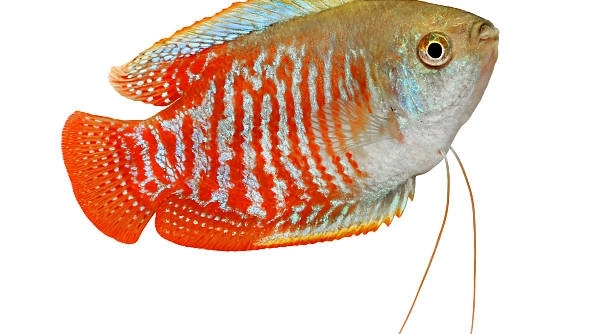
Have you ever noticed your gourami swimming in strange patterns or changing color when other fish get too close to them? These behaviors are not random—they serve a specific purpose in their social interactions.
Gouramis use a combination of body posture, fin displays, color changes, lateral movements, and strategic retreat to signal submission and prevent aggression. These cues help maintain social order and reduce the likelihood of physical confrontation in shared environments.
Understanding these subtle signs can improve tank harmony and allow you to support your gouramis’ natural behavior in a stress-free setting.
Recognizing Stress Signals in Gouramis
Gouramis are peaceful fish, but they rely on specific behaviors to avoid trouble. These include turning their bodies sideways, flaring fins, and changing colors. When two gouramis encounter each other, one may quickly move away or lower its body to show it’s not a threat. These cues work as peaceful ways to manage space and show respect. Ignoring them can lead to fights, especially in smaller tanks or when too many fish are present. Observing these behaviors can help prevent stress and injury. It also makes it easier to create a calm and balanced environment for them.
These subtle signals often go unnoticed, but they play a key role in keeping tank dynamics stable.
Stress in gouramis isn’t always about aggressive tank mates. Sometimes, it comes from sudden changes in lighting, water temperature, or loud noises around the tank. A stressed gourami may hide more, lose its appetite, or appear duller in color. If you notice a gourami flaring its fins but backing off quickly, it’s likely trying to de-escalate. These displays can look dramatic, but they are often peaceful. Keeping your tank calm, consistent, and spacious helps support these behaviors. Watching your gouramis closely gives you valuable information on how they feel and what they need from their environment.
How Gouramis Set Boundaries
Some gouramis use side-swimming as a warning that they want space without fighting.
This body positioning works as a physical cue. The fish makes itself appear larger and shows that it’s alert. If the other fish backs away, conflict is avoided. But if the signal is ignored, it might lead to chasing or fin nipping. Color shifts also play a role. A gourami that turns darker or displays stronger patterns is likely expressing discomfort or dominance. These changes are not random—they’re ways of sending messages. Gouramis rely on these signals more when the tank has clear hiding spots and enough room to swim freely. In crowded spaces, these signals are harder to use effectively, which increases stress. It’s important to set up the tank so your gouramis can make use of their natural social tools. By watching how they interact, you can better understand their boundaries and create a setup that respects them.
Visual Cues and Color Changes
Gouramis often rely on color shifts to express how they feel. These changes are quick and usually triggered by stress, competition, or environmental discomfort. A paler body tone often signals submission, while darker colors may reflect tension.
When two gouramis meet, color changes can appear before any movement. A submissive fish might fade in color and move slowly to avoid being seen as a threat. On the other hand, a dominant gourami could darken and flare its fins to show control. These visual signals help set boundaries without aggression. Changes in lighting or tank setup can also influence these responses, so it’s important to monitor your gourami after any adjustment. Consistent tank conditions allow these cues to stay meaningful and avoid confusion in their social structure. Watching color changes closely will give you clues about your gourami’s comfort and how well they are managing interactions with others.
The ability to read these signs becomes easier with time. When one gourami changes its color and slows down, it’s often requesting space. The other fish usually responds by swimming elsewhere. This back-and-forth helps maintain balance. But if space is limited, or the tank is overcrowded, these signals lose their effect. In that case, one fish may keep chasing the other despite clear signals. This leads to increased stress and a higher chance of physical damage. Giving your gouramis the room and setup they need ensures their cues can work the way nature intended. It’s one of the best ways to support their health and behavior.
Movement and Retreat Behaviors
Side gliding and slow backing away are often signs that a gourami wants to end tension. These actions are gentle and non-confrontational, helping keep peace in a shared space.
When a gourami turns slightly and glides away, it’s usually a request to be left alone. This slow retreat often comes after a brief visual cue, like flaring fins or a color change. The other fish typically understands the message and gives space. These patterns reduce the risk of direct conflict. If the retreat is ignored, the fish may try to hide or stay near plants or tank edges. Creating a tank with plants, driftwood, and caves makes these movements easier and more effective. A clear retreat path is just as important as the signal itself. Without enough room, peaceful cues may be ignored, which can lead to unnecessary stress or aggression between tank mates.
Flaring Without Fighting
Gouramis sometimes flare their fins and gill covers as a way to communicate tension without becoming aggressive. This display can look intense, but it often ends with one fish backing down and moving away peacefully.
These displays usually occur when one fish feels its space is being challenged. It’s a warning, not a fight.
Choosing Stillness Over Conflict
Remaining still is another cue gouramis use when they want to avoid a confrontation. A fish may freeze in place or hover calmly in the water, signaling that it has no interest in challenging the other. This calm behavior is subtle but effective, especially when combined with a lowered body posture. A confident gourami will usually pick up on this and swim away. Without movement or posturing, the still fish shows no threat, and the situation often ends there. These quiet actions may seem small, but they help reduce conflict and keep social tension low in a shared aquarium.
Using Space to Keep Peace
Gouramis often swim toward open water or a corner to distance themselves. This helps them cool the situation before it turns into a fight.
FAQ
Do all gouramis use the same cues to avoid conflict?
Most gouramis share common behaviors, but each species may show slight differences in how often or clearly they use certain cues. For example, dwarf gouramis may rely more on color shifts, while pearl gouramis often use fin flaring and slow movement. Even within the same species, personality plays a role—some fish are naturally more passive or more dominant than others. These differences affect how and when each fish uses calming signals. Watching your specific gouramis closely over time will help you understand what each of their behaviors means in context.
Can gouramis live peacefully in the same tank without conflict?
Yes, but peaceful living depends on tank size, layout, and the temperament of the fish. A large, well-decorated tank with plants and hiding spaces helps gouramis avoid each other when needed. It reduces the chance of tension escalating. If the tank is too small or lacks cover, even passive gouramis may act more aggressively. Matching gouramis with compatible tank mates and avoiding overcrowding also plays a big part. Regular observation is key—intervening early when one fish becomes overly dominant can prevent long-term stress or injury.
How do I know when a cue is working or being ignored?
A working cue is followed by a change in the other fish’s behavior—like swimming away or becoming still. If a fish backs off or chooses another direction, the signal has been received and respected. But if the other fish keeps chasing or flaring, the cue has failed. This could mean the tank is too cramped or the fish are mismatched. Watch how long these interactions last and whether one fish seems stressed or constantly on edge. If cues are being ignored often, it’s time to adjust the environment or separate the fish.
What signs show that a gourami is stressed from constant tension?
A stressed gourami may hide more than usual, stop eating, show pale colors, or have clamped fins. It might also swim in an erratic way or stay near the bottom. Long-term stress weakens the immune system and can lead to illness. If you notice these signs, check for bullying, tank crowding, or water quality issues. Stress is often linked to repeated failed cues or poor tank conditions. Fixing the root cause early helps your gourami recover faster and feel safe again in its space.
Are there cues gouramis use during breeding that also help avoid conflict?
Yes. Male gouramis often flare their fins or circle slowly around females during courtship, which can look similar to warning displays. But when the female is not ready, she may back away or stay still, signaling disinterest. If the male responds by leaving her alone, it’s a good sign that the cue worked. If not, the female may need hiding spots to retreat. These signals help avoid unnecessary chasing or fighting during breeding periods. Providing plants and hiding places in the tank supports peaceful interactions even during more active phases.
Can environmental changes affect how well gourami cues work?
Absolutely. Poor lighting, strong currents, or reflective surfaces can confuse visual cues. If the fish can’t see each other clearly or mistake their reflection for another fish, conflict may rise. Sudden changes in water conditions can also make gouramis more irritable or less responsive. Consistent water quality, soft lighting, and a stable layout support clearer communication. If your fish start acting differently after a change, consider how the environment might be affecting their ability to send or read signals.
Is it ever necessary to separate gouramis permanently?
Yes, in some cases. If one gourami continues to ignore all avoidance cues, bullies tank mates, or causes visible injuries, permanent separation may be the best option. This is especially true if space is limited and adjustments haven’t worked. Sometimes individual fish are simply not compatible with others. Giving each fish its own space can lead to healthier, more relaxed behavior. You can still enjoy their presence without constant stress or risk of harm. Watching behavior patterns over time will help you decide if separation is truly needed.
Final Thoughts
Gouramis are peaceful fish by nature, but they still need space and structure to avoid stress. Their communication is subtle, relying on small changes in color, movement, or fin position. These cues help them express calm, set boundaries, or avoid conflict without aggression. When those signals are clear and respected, the tank stays peaceful. But when those signs are missed, ignored, or confused by poor tank conditions, problems can quickly grow. Knowing what to watch for and how to respond can make all the difference. It keeps your gouramis healthy and their environment stable.
Some people may not notice these small behaviors right away, especially if they are new to keeping fish. But with time and attention, these signals become easier to understand. Watching how your gouramis interact each day gives you useful information. You may start to see patterns—like which fish is more dominant, or when stress starts to show. These insights help you decide when to step in, whether by adding more hiding spots, reducing crowding, or moving fish to separate tanks. Simple changes based on behavior can prevent larger problems down the line.
It’s also important to remember that not all conflict means something is wrong. Occasional chasing or fin flaring can be normal, especially during feeding or breeding. The goal isn’t to remove every sign of tension but to recognize when it becomes too much. A peaceful tank doesn’t mean silent or inactive fish—it means fish that can communicate and respond to each other in safe ways. By learning the cues your gouramis use and watching how they interact daily, you support not only their health but also their comfort. A calm, balanced tank helps your fish thrive and allows you to enjoy their behavior without worry.

Hello,
If you enjoy the content that we create, please consider saying a "Thank You!" by leaving a tip.
Every little bit helps us continue crafting quality advice that supports the health, happiness, and well-being of pets around the world, for pets of all shapes, sizes, and species.
We really appreciate the kindness and support that you show us!