
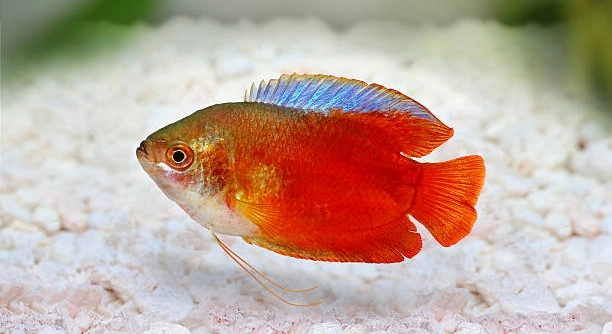
Gouramis are fascinating fish known for their unique behaviors and interactions. Observing their movements can reveal important clues about their comfort and trust levels in an aquarium environment. Understanding these signals can enhance the relationship between owner and pet.
Certain movement patterns in gouramis, such as slow swimming, fin flicking, bubble nest building, and following their caretaker, indicate a level of trust. These behaviors demonstrate the fish’s comfort and positive response to their surroundings and human presence.
Recognizing these signs can improve how you care for your gourami and strengthen the bond you share with it. This article will highlight seven key movements that show your gourami’s trust.
Slow, Graceful Swimming
Gouramis that trust their environment often swim slowly and gracefully throughout the tank. Unlike anxious fish that dart or hide, a calm and steady swim shows comfort and confidence. They explore their surroundings without rushing or showing signs of stress. Watching them glide smoothly near plants or decorations is a clear sign they feel safe. This behavior can be encouraged by maintaining a stable tank environment with proper water quality, temperature, and minimal sudden disturbances. Over time, as gouramis grow more comfortable, their swimming patterns become more relaxed and predictable. This movement not only indicates trust but also contributes to their overall health. It helps reduce stress, which can prevent illness and support longevity. Observing slow swimming is one of the easiest ways to know if your gourami has adjusted well to its home. Keep monitoring this behavior regularly to ensure your fish remains at ease.
Slow, graceful swimming shows your gourami is relaxed and comfortable in its environment. It is a key sign of trust and well-being.
This behavior often appears once gouramis have settled into their tank. Calm movement means they feel secure and free from threats. This also encourages interaction with their surroundings and caretakers. When gouramis swim slowly near you, it means they acknowledge your presence positively. Avoid sudden changes in the tank, as this can disrupt their calm swimming. Consistent care helps maintain this peaceful behavior over time.
Fin Flicking and Display
Fin flicking is a subtle but important movement that indicates trust in gouramis. When they flick their fins lightly or spread them out occasionally, it means they are comfortable and expressing their natural behaviors. This display often happens when they feel safe to communicate with other fish or observe their environment. Unlike aggressive fin spreading, gentle fin flicking signals contentment and curiosity. It can also be a way for gouramis to show interest in their caretaker without feeling threatened. Watching for this behavior gives insight into their mood and social comfort.
Gentle fin flicking is a sign your gourami is at ease and engaged in its surroundings.
This movement can be a form of social interaction or self-expression. Gouramis use their fins to communicate different feelings, and flicking shows positive engagement. It may increase when the fish is healthy and happy. If you notice frequent fin flicking, it suggests your gourami trusts its environment and feels secure. This behavior is often accompanied by other signs like bubble nest building or following movements. Providing a peaceful tank atmosphere supports these natural displays. Avoid overcrowding and maintain water quality to encourage fin flicking as a trust indicator. Recognizing this subtle behavior helps strengthen the connection between you and your fish.
Following Movements
Gouramis that follow your movements around the tank show a clear sign of trust. They recognize you and feel comfortable enough to approach.
This behavior reflects a positive bond developing between the fish and its caretaker. Following movements indicate curiosity combined with a lack of fear. Gouramis may swim closer when you approach the tank or when you perform regular maintenance. This response happens because they associate you with safety or feeding time. The more they follow, the more they rely on your presence. It also suggests the fish feels secure enough to focus on you instead of hiding or fleeing.
The act of following is not just about food. It signals recognition and comfort with human interaction. Gouramis that exhibit this behavior tend to be more interactive and responsive. Encouraging this can be as simple as spending time near the tank and moving slowly. Avoid sudden motions that might startle them. This movement pattern strengthens the connection and makes caring for gouramis more rewarding.
Bubble Nest Building
Bubble nest building is a natural behavior signaling a gourami’s comfort and trust in its environment. Males usually create these nests, which serve as a sign of readiness to breed and a peaceful state.
When gouramis build bubble nests, it means they feel secure enough to invest energy in reproduction. This activity requires calm water conditions and a stress-free environment. Males blow bubbles that stick together at the water’s surface, forming a nest where they will place fertilized eggs. This behavior is an excellent indicator that the fish feels safe and healthy. It also suggests the tank conditions support their natural instincts, which is vital for long-term wellbeing.
Observing bubble nest building can also signal that the gourami has adjusted well to its surroundings. It shows the fish is not threatened by other tank mates or external factors. Encouraging this behavior requires maintaining consistent water quality and minimal disturbances. Providing floating plants can help protect the nest and increase comfort. The presence of bubble nests makes the aquarium more interesting and reflects a positive environment for your gouramis.
Close Inspection
Gouramis that trust their caretaker often come close to inspect hands or objects near the tank. This behavior shows curiosity without fear. It indicates the fish feels safe enough to investigate.
This close inspection is a sign of growing familiarity. The gourami recognizes the caretaker’s presence as non-threatening, which strengthens trust over time.
Resting Near the Surface
Gouramis resting near the water surface demonstrate a sense of security in their environment. This position is vulnerable, so they only do it when feeling safe and relaxed. It also allows easier access to oxygen, reflecting comfort with tank conditions.
Calm Interactions with Tank Mates
When gouramis interact calmly with other fish, it shows they feel confident and secure. Aggressive or anxious behavior would suggest stress, but peaceful coexistence signals trust in their surroundings.
FAQ
How can I tell if my gourami trusts me?
Trust in gouramis is shown through specific behaviors like slow swimming, gentle fin flicking, bubble nest building, and following your movements near the tank. These actions indicate the fish feels safe and comfortable in its environment and with your presence.
Why does my gourami follow my hand outside the tank?
Following your hand is a sign of recognition and trust. The gourami associates your presence with food or care and feels secure enough to approach. This behavior develops over time with consistent, calm interaction.
Is bubble nest building a sign of trust?
Yes, especially in male gouramis. Building a bubble nest means the fish is comfortable and stress-free enough to engage in natural reproductive behavior, reflecting confidence in the tank’s conditions.
What does fin flicking mean?
Gentle fin flicking signals curiosity and comfort. It is a way gouramis communicate positive feelings about their surroundings without aggression or fear.
Why does my gourami rest near the surface?
Resting near the surface can mean the fish feels safe enough to relax in a vulnerable spot. It also allows easy access to oxygen, indicating the tank environment meets their needs.
Can gouramis become friendly with their caretakers?
While gouramis are not social like mammals, they can recognize and respond positively to caretakers by following movements and inspecting hands, showing a form of trust.
What should I avoid to maintain my gourami’s trust?
Avoid sudden tank disturbances, loud noises, overcrowding, and poor water conditions. Stability and calm care encourage trust and natural behaviors.
How long does it take for a gourami to show trust?
This varies, but generally, with proper care and a peaceful environment, gouramis start showing trust within a few weeks to months.
Why is slow swimming important?
Slow swimming indicates relaxation and confidence in the environment. It reduces stress and supports health, making it a key sign of trust.
What if my gourami hides a lot?
Excessive hiding suggests stress, fear, or poor tank conditions. It is a sign the fish does not feel safe and may need changes in care or environment.
Can trust affect gourami health?
Yes. Trust reduces stress, which lowers the risk of disease and supports better immune function and longevity.
How does tank setup influence trust?
A well-maintained tank with hiding spots, stable water quality, and appropriate companions helps gouramis feel secure and display trust behaviors.
Is it normal for gouramis to inspect objects outside the tank?
Yes, this inspection shows curiosity and comfort with human presence, which is a form of trust.
What role does feeding play in trust?
Regular feeding at consistent times helps gouramis associate you with positive experiences, increasing their comfort and willingness to approach.
Are all gouramis equally trusting?
Individual temperaments vary, but with good care, most gouramis show signs of trust through behavior patterns. Some may be more cautious, while others are naturally more interactive.
How do gouramis communicate trust to each other?
Behaviors like fin flicking and calm swimming indicate comfort and social trust within groups of gouramis.
Can stress erase trust?
Stressful events like poor water quality, aggressive tank mates, or sudden changes can cause gouramis to withdraw and lose trust temporarily.
How can I encourage my gourami to trust me faster?
Maintain stable water conditions, minimize sudden movements, feed regularly, and spend quiet time near the tank to build familiarity.
What should I do if my gourami shows signs of fear?
Identify and remove stress sources, check water parameters, and give the fish time in a quiet, stable environment to regain confidence.
Does trust affect gourami breeding behavior?
Yes, a trusted and stress-free environment encourages natural breeding behaviors like bubble nest building.
These questions cover key concerns about recognizing and fostering trust in gouramis, helping owners build a stronger connection and provide better care.
Final thoughts on understanding gourami trust focus on observing their natural behaviors and creating a calm environment. Trust in gouramis is shown through specific movement patterns such as following your hand, slow swimming, bubble nest building, and close inspection. These behaviors indicate the fish feels secure and comfortable. Recognizing these signs helps caretakers know when their gouramis are relaxed and confident, which is essential for their well-being. Building trust takes time and consistency, but it leads to a more enjoyable and interactive experience with these fish.
Maintaining a stable tank environment plays a key role in encouraging trust. Gouramis are sensitive to changes in water quality, lighting, and tank mates. When the conditions are steady and stress is minimal, gouramis show more trusting behaviors. It is important to avoid sudden movements near the tank and to provide hiding spots to help them feel safe. Feeding routines also contribute to building trust, as gouramis learn to associate caretakers with positive experiences like food. This calm, predictable care encourages the fish to be more open and engaged.
In summary, trust in gouramis is reflected through their movement and interaction patterns, which depend largely on how they are cared for. Observing these behaviors allows caretakers to better understand their fish’s needs. A peaceful tank setup combined with regular, gentle attention supports the development of trust. Over time, this leads to healthier gouramis that respond positively to human presence. Recognizing and nurturing these signs improves both the fish’s quality of life and the overall enjoyment of keeping them.

Hello,
If you enjoy the content that we create, please consider saying a "Thank You!" by leaving a tip.
Every little bit helps us continue crafting quality advice that supports the health, happiness, and well-being of pets around the world, for pets of all shapes, sizes, and species.
We really appreciate the kindness and support that you show us!