
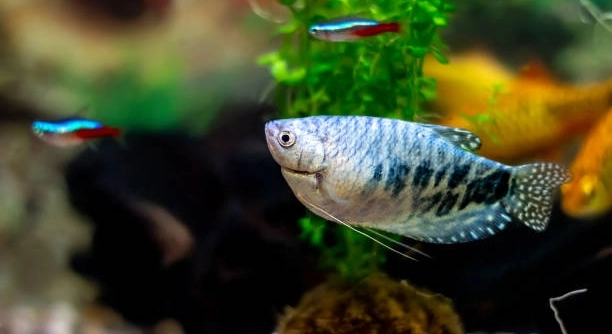
Gouramis are colorful freshwater fish often kept in home aquariums. Their behavior can reveal a lot about their feelings and environment. Observing their curious actions helps owners understand them better.
Gourami curiosity is shown through specific behavioral cues such as active swimming patterns, fin movements, body orientation, and interactions with objects or tank mates. These behaviors indicate their interest in surroundings and new stimuli.
Recognizing these signs can improve your connection with your gourami and enhance their well-being in captivity. Paying attention to their actions offers rewarding insights into their nature.
Active Swimming and Exploration
Gouramis often show curiosity by actively swimming around their tank. Instead of staying in one spot, they move purposefully, checking new areas or objects. This behavior is a clear sign they are interested in their environment and looking for something new to explore. You might notice them approaching decorations or plants slowly, pausing as if to investigate. When they swim in a relaxed yet deliberate manner, it means they feel safe enough to explore but are still alert. This kind of movement helps them understand their surroundings better and find potential food or hiding spots. Watching these patterns can tell you a lot about their mood and comfort in the aquarium. Gouramis that are curious tend to be more active and engaged compared to those that are stressed or sick.
This active swimming shows their natural instinct to explore and learn about their space. It is one of the easiest behaviors to spot.
Keeping the tank interesting with new plants or decorations encourages this natural curiosity. Changing their environment occasionally can stimulate their senses and keep them lively. When gouramis explore, they stay mentally and physically healthy. You’ll see them glide around, occasionally pausing to inspect objects, which highlights their interest and alertness. If your gourami avoids exploring, it might be a sign of discomfort or illness. Providing a safe and enriching environment helps promote this positive behavior, making your fish more interactive and responsive to you and their surroundings.
Fin Movements and Body Language
Curious gouramis often display subtle fin movements and changes in body posture. These small actions communicate interest and engagement with what’s nearby.
Fins may spread or twitch gently when the fish notices something new. The gourami might also tilt its body slightly or change direction to get a better look. These movements are part of how they gather information and show attentiveness. When a gourami is curious, it avoids rapid or erratic swimming, instead focusing on slow, deliberate gestures. This behavior contrasts with signs of fear or stress, where fins are clamped and movements are sudden.
Observing these details requires patience but offers great insight into your fish’s state of mind. For example, a gourami approaching a new plant or object with slow, cautious fin flicks is clearly examining it. If you add something new to the tank and see these fin movements, it means your fish is interested and adapting. Over time, these signals help build trust between you and your gourami, making care easier and more enjoyable. Understanding their body language is key to responding well to their needs and creating a supportive environment.
Interaction with Objects
Gouramis often show curiosity by interacting with objects in their tank. They may nudge, circle, or inspect decorations and plants carefully. This behavior signals their interest in exploring new or changed surroundings.
When a new item is added, gouramis typically approach it slowly, touching it with their mouths or fins. This allows them to understand what it is and if it is safe. Such interactions help them feel more comfortable and confident in their space. Sometimes, they push or move lightweight objects, showing playful exploration rather than aggression. This behavior is important because it keeps their minds active and reduces boredom. Providing varied objects in the tank encourages these natural investigative habits. It also helps build a richer environment that meets their need to explore, which supports overall health.
Careful observation of how gouramis deal with objects reveals their curiosity level and emotional state. If they ignore new items, it might indicate stress or lack of interest. Encouraging this interaction by gently introducing new decorations can keep them engaged and stimulated regularly.
Social Curiosity with Tank Mates
Gouramis display curiosity by watching and interacting with other fish in the tank. This social interest helps them understand who is safe and who is a threat.
They often swim close to other fish, sometimes following or mimicking movements. This behavior shows they are paying attention to their peers and trying to learn more about them. Gouramis may also use subtle body language, like fin flicks or color changes, to communicate their feelings. When they show social curiosity, it means they feel secure enough to explore relationships. This is essential for community tanks where harmony matters. Watching these interactions can help you spot signs of stress or aggression early. Knowing how gouramis behave socially aids in setting up a peaceful tank environment that supports their natural instincts.
Investigative Head Tilting
Gouramis often tilt their heads when something catches their attention. This subtle movement helps them get a better view or sense of new objects or changes in their tank.
Head tilting is a clear sign of focused curiosity. It shows they are trying to understand what is unfamiliar or interesting.
Bubble Nest Checking
Male gouramis build bubble nests as part of their breeding behavior. They often inspect and maintain these nests carefully, showing curiosity and care.
This behavior is important because it reflects their natural instincts and interest in their environment’s condition. A well-kept bubble nest means the gourami is healthy and engaged.
Approaching the Glass
Gouramis sometimes swim close to the tank glass and observe movements outside. This behavior shows their curiosity about the area beyond their home.
It can also indicate they recognize their owner or are interested in what’s happening nearby.
How can I tell if my gourami is curious or stressed?
Curiosity in gouramis shows through calm, deliberate movements like slow swimming, gentle fin flicks, and head tilting. They explore objects and interact with tank mates calmly. Stress, on the other hand, causes erratic swimming, clamped fins, hiding, or loss of appetite. Watching their body language closely helps differentiate these states. A curious gourami appears engaged and responsive, while a stressed one often avoids activity and seems tense or withdrawn.
What types of objects encourage gourami curiosity?
Gouramis are drawn to a variety of objects like plants, smooth stones, and decorations with different shapes and textures. Floating plants or soft-leafed aquarium plants especially attract them, giving hiding spots and exploration points. Lightweight decorations they can gently nudge or move also stimulate playful behavior. Avoid sharp or rough items that may harm their delicate fins. Regularly changing or adding new items keeps their environment fresh and promotes natural curiosity.
Is it normal for gouramis to be shy around new objects or tank mates?
Yes, it is normal for gouramis to show caution when introduced to something unfamiliar. They might observe from a distance or approach slowly at first. This hesitation is part of their natural behavior, allowing them to assess safety. Over time, as they become more comfortable, they typically become more interactive and curious. Patience during these adjustment periods helps build trust and encourages more confident exploration.
Can I encourage my gourami’s curiosity through feeding?
Feeding is a great way to stimulate curiosity. Using varied food types, like live or frozen foods, encourages natural hunting and exploration instincts. Placing food in different tank areas or using feeding rings can promote active searching and movement. Avoid overfeeding, as it may reduce interest in the environment. Feeding time can become a positive interaction that keeps your gourami engaged and curious about their surroundings.
Why does my gourami sometimes stare at me?
When a gourami stares, it usually means it is curious or observing something interesting. They may recognize their owner as a source of food or simply be studying movements outside the tank. This gaze is a form of engagement and can indicate the fish feels safe enough to pay attention to its environment beyond the aquarium.
How important is tank setup for gourami curiosity?
Tank setup plays a big role in encouraging curiosity. A well-decorated tank with plants, hiding places, and varied textures offers stimulation and comfort. Proper water quality and stable temperature also ensure the gourami feels safe enough to explore. A boring or overcrowded tank can reduce activity and curiosity. Creating a balanced, enriched habitat supports their natural behaviors and keeps them mentally and physically healthy.
What behaviors should alert me to potential health issues instead of curiosity?
If your gourami shows signs like rapid gill movement, clamped fins, hiding constantly, loss of appetite, or erratic swimming, it could signal health problems rather than curiosity. Lethargy and faded color are also red flags. If curiosity-related behaviors suddenly stop or change drastically, it’s wise to check water parameters and consult a vet or expert for advice.
How do gouramis use body language to communicate curiosity?
Gouramis use subtle body language like fin flicks, slow movements, head tilts, and changing colors slightly to show curiosity. They often position their bodies to get a better view of something new and may gently touch objects or tank mates. These actions help them gather information and express interest without aggression. Understanding these signals deepens the connection between owner and fish.
Does the presence of other fish affect gourami curiosity?
Other fish can either encourage or inhibit gourami curiosity depending on their species and temperament. Peaceful tank mates usually stimulate interaction and exploration, while aggressive or overly shy fish can cause stress and reduce curiosity. Observing how your gourami responds to its companions helps decide the best community setup. A calm group promotes natural, curious behavior.
What can I do if my gourami seems uninterested in its environment?
If your gourami appears bored or uninterested, try adding new plants, decorations, or rearranging the tank layout. Introduce varied food types and feeding methods to engage its senses. Check water quality and tank conditions to ensure comfort. Sometimes a simple environmental change can spark curiosity and activity. Regular enrichment supports mental and physical health, keeping your gourami lively and interested.
Understanding gourami curiosity can greatly improve how you care for these beautiful fish. Watching their behaviors like swimming patterns, fin movements, and interactions with objects gives clues about how they feel. When gouramis show curiosity, it means they are comfortable and engaged with their environment. Paying attention to these signs helps you create a better home for them and ensures they stay healthy. Knowing what to look for can make a big difference in meeting their needs and improving their quality of life.
Creating an environment that encourages curiosity is important. Providing a tank with plants, hiding spots, and interesting decorations keeps gouramis active and mentally stimulated. Changing the layout or adding new objects now and then can keep them from getting bored. Feeding them a variety of foods also sparks their natural instincts and curiosity. When gouramis are curious, they explore and interact more, which leads to healthier, happier fish. A well-maintained tank with stable water conditions supports this behavior and helps prevent stress.
By observing your gourami’s curiosity, you build a stronger connection with your fish. It lets you understand their moods and preferences better. This knowledge helps you respond quickly if something seems wrong, like if they stop exploring or act stressed. Encouraging natural behaviors through a thoughtful setup and regular care promotes a lively and interesting aquarium. Taking time to notice these small but important behaviors enhances your enjoyment and helps your gouramis thrive.

Hello,
If you enjoy the content that we create, please consider saying a "Thank You!" by leaving a tip.
Every little bit helps us continue crafting quality advice that supports the health, happiness, and well-being of pets around the world, for pets of all shapes, sizes, and species.
We really appreciate the kindness and support that you show us!