
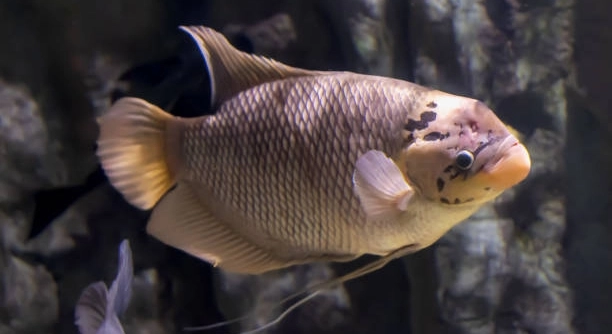
Is your gourami spending time in other parts of the tank but ignoring the bubble nest area, even during breeding season? This behavior can be concerning, especially when you’re trying to support healthy nesting and mating.
Gouramis may avoid the bubble nest area due to unsuitable water conditions, aggression from tank mates, or lack of breeding readiness. Environmental stress, such as strong currents or temperature imbalances, can also disrupt natural nesting behavior in these fish.
Understanding what triggers this avoidance can help you create a more supportive tank environment and improve your gourami’s overall comfort and behavior.
Reasons Your Gourami May Avoid the Nest
Gouramis often avoid the bubble nest area due to a combination of stress, tank conditions, or lack of breeding readiness. Poor water quality, especially high ammonia or nitrate levels, can cause discomfort, discouraging nesting behavior. Sudden water changes or inconsistent temperatures may also interfere with their natural instincts. If the filter creates too much current near the bubble nest, your gourami may avoid it altogether. Some fish may also feel threatened by other tank mates, especially in small or crowded tanks. Males are usually the ones building nests, and if they sense danger or feel unwell, they often abandon the area. If the female is not receptive or showing signs of stress, the male may lose interest. Hormonal fluctuations and seasonal shifts in light and temperature can also influence nesting. Carefully observing these changes will help you pinpoint what’s wrong and encourage your gourami to return to its bubble nest area.
A stressed or unready fish will often avoid the nest, so it’s important to check for signs of illness or discomfort.
Tank lighting, water movement, and hiding spots also affect your gourami’s behavior. A tank that feels too exposed or bright can discourage nesting activity. Gentle lighting and calm water can make a difference.
How to Encourage Nesting Again
To help your gourami feel safe enough to return to the bubble nest, start by testing the water for ammonia, nitrites, and nitrates. Keep temperature stable between 75°F and 80°F, and reduce current near the nest by adjusting the filter.
Providing floating plants and tall decorations around the bubble nest area can make the space feel safer. Make sure your tank has enough space and hiding areas, especially if more than one gourami is present. If aggression is an issue, consider using a divider or rearranging decor to reduce tension. Avoid sudden changes in lighting, temperature, or tank setup. Feeding a high-protein diet during breeding season can also help trigger nesting behavior. In some cases, isolating the male and female before reintroducing them may help. Watch for signs that they are ready to breed again, such as chasing behavior or flaring. With a calm environment and stable conditions, your gourami is more likely to feel comfortable enough to return to its nest and begin building or guarding it again.
Signs Your Gourami Is Stressed
When gouramis feel stressed, they often change their behavior. You may notice them hiding more, avoiding food, or swimming erratically. Their colors can fade, and they may become more aggressive or withdrawn, especially near the bubble nest area.
A stressed gourami might spend most of its time in the corners of the tank or near the bottom, avoiding interaction. Look for clamped fins, fast breathing, or unusual pacing. These behaviors are common signs that your fish is not feeling secure. Loud noises, frequent tank changes, or aggressive tank mates can also contribute to this stress. If your gourami stops eating or becomes more aggressive than usual, these are strong signs of discomfort. Monitoring these signs closely helps you act early and adjust their environment before the stress worsens. Even small changes in lighting or water temperature can affect their mood and activity around the bubble nest area.
Behavioral changes like avoiding the bubble nest, loss of appetite, and frequent hiding should be taken seriously. Check if the tank feels overcrowded or if dominant fish are causing problems. Make slow, careful adjustments. Quick changes can make things worse. Reducing stress can help restore their interest in nesting and bring back normal behavior.
Improving the Tank Environment
A comfortable environment starts with clean water, low noise, and stable conditions. Add tall plants and gentle lighting to make the space feel secure. Floating plants like water lettuce or frogbit give gouramis privacy, especially near the bubble nest area.
Keep the tank temperature stable between 75°F and 80°F and maintain a pH around 6.8 to 7.5. Strong currents can disturb bubble nests, so use sponge filters or reduce flow near the top. Avoid moving decorations too often. Let your gourami settle into a routine. Add driftwood, rocks, and caves to create hiding spots, especially if more than one fish shares the tank. Avoid overcrowding. Two male gouramis in a small space may become aggressive and disrupt nesting. Also, keep lights on a timer to mimic natural day and night cycles. Consistency helps build trust in their environment. Over time, a calm, clean setup encourages healthier behaviors and better interest in the bubble nest.
When Female Gouramis Are Involved
Female gouramis may avoid the nest if they are not ready to breed or feel unsafe. Stress, poor water quality, or aggressive males can make them retreat. Keep the environment calm and give them space to feel secure.
Watch for signs of readiness like a fuller belly and increased interaction with the male. If the female continues to avoid the nest, consider separating them and reintroducing later. Breeding should only happen when both fish are healthy and calm.
Monitoring Behavior Over Time
Observing your gourami’s patterns can reveal subtle changes that help you catch problems early. If they remain distant from the nest for several days, start reviewing water parameters and tank conditions. Keep a log if needed. Consistent monitoring often leads to better results in supporting natural nesting habits.
Avoiding Sudden Changes
Keep lighting, feeding times, and water conditions consistent. Sudden shifts can interrupt nesting and increase stress. Make any changes gradually to help your gourami adjust without discomfort. Stability in their environment helps promote calmer, healthier behavior around the nest.
FAQ
Why is my gourami avoiding the bubble nest after building it?
This often happens when the environment doesn’t feel safe or stable. Loud noises, tank mates getting too close, or a sudden change in water conditions can make the gourami back away. Sometimes they build the nest but decide not to guard it if they feel too stressed or if breeding is no longer a priority. It’s also common for younger or inexperienced gouramis to build nests and lose interest afterward.
Can other fish in the tank affect my gourami’s nesting behavior?
Yes. Tank mates that are fast swimmers or aggressive can make your gourami feel uneasy. Even peaceful fish might disturb the nest area just by being too active near it. This constant disturbance can discourage the gourami from staying near the nest. If the gourami feels threatened, it may choose to abandon the area entirely.
What water conditions are best for bubble nest building?
Keep the water temperature between 75°F and 80°F, and aim for a gentle current. A pH between 6.8 and 7.5 is best. Soft to moderately hard water also works well. Avoid sudden water changes, and always condition new water before adding it. Consistent, clean, and calm water supports both bubble nest building and overall comfort.
Does lighting affect where my gourami builds its nest?
Yes. Bright lighting can make the fish feel exposed, especially in a tank with limited plant cover. They often prefer building nests in shaded or quieter spots. Floating plants like hornwort, water lettuce, or even pieces of plastic plant matter can encourage nesting by giving them a place to anchor bubbles and feel secure.
Should I be worried if my gourami stops guarding the nest?
It depends. If the nest has no eggs, it’s not unusual for them to stop guarding. If eggs or fry were present and then suddenly left unattended, review tank conditions immediately. Look for stress triggers, check your water parameters, and observe for signs of illness or aggression from tank mates.
How do I tell if my gourami is preparing to breed?
Male gouramis show more active behavior, often flaring their fins, chasing the female gently, or starting to build a nest. Females will appear rounder in the belly and may stay closer to the male if they are ready. If the female isn’t interested, she may hide or avoid the bubble nest area entirely.
Can the bubble nest disappear overnight?
Yes. Strong filters, surface agitation, or other fish disturbing the area can break the nest down quickly. Gouramis may also destroy their own nests if they become stressed or if breeding is no longer expected. To prevent this, reduce surface movement and avoid disturbing the tank after the nest is built.
What if my gourami builds a nest but shows no interest in the female?
This can happen when the male is not fully ready to breed or if he doesn’t see the female as a compatible partner. It can also be due to stress, illness, or distractions in the tank. Make sure the environment is quiet, and both fish are healthy.
Is it normal for female gouramis to ignore the nest completely?
Yes. Females only show interest in the nest if they’re ready to spawn. If conditions aren’t right or they feel unsafe, they may stay away. Provide hiding spots and maintain consistent water quality. If she continues to avoid the nest, she may simply not be ready.
Do I need to separate other fish during nesting?
If you notice other fish constantly approaching the nest or harassing the gourami, it’s best to move them. Stress and disruption can cause nest abandonment. If you’re serious about breeding, consider setting up a separate tank for the pair with gentle filtration and lots of plant cover.
How long should a bubble nest stay intact?
If conditions are ideal and there’s no disturbance, a bubble nest can stay for several days. If fertilized eggs are present, the male usually maintains the nest until fry hatch. Without eggs, the nest may gradually break down or be abandoned.
Can multiple nests appear in one tank?
It’s rare but possible, especially if more than one male gourami is present. Each male may try to claim territory and build his own nest. This can lead to stress or aggression, so monitor interactions closely. Keep only one male per tank when focusing on breeding behavior.
Final Thoughts
When gouramis avoid the bubble nest area, it’s usually tied to how safe and comfortable they feel in their tank. A sudden shift in temperature, aggressive tank mates, or water flow that’s too strong can all push them away from the space they carefully selected for nesting. Sometimes, the issue is as simple as not being ready to breed or losing interest after building the nest. In many cases, these changes are small and easy to overlook, but they can have a big impact on how the gourami behaves around the nest.
Creating a calm and stable tank environment can make a big difference. Using floating plants, lowering surface agitation, and placing the tank in a quiet location can help reduce stress. Regular water checks and gentle maintenance routines also support a more relaxed space. When the gourami feels secure, it’s more likely to stay near the nest and show interest in maintaining or using it. Watching their daily habits, such as how they eat, swim, and interact with other fish, can offer more insight into what might be going wrong if they’re avoiding the bubble nest.
There is no one-size-fits-all answer, but patience and observation go a long way. Every gourami has slightly different needs based on its age, health, and temperament. Avoid making too many changes at once, and try to maintain a steady routine. If the nest continues to be ignored, step back and reassess the full environment instead of focusing on the nest alone. In many cases, small improvements can restore natural behavior and allow the gourami to return to its normal habits near the nest area. A calm tank, clean water, and a peaceful setting often give your gourami the confidence it needs to return to the bubble nest and possibly use it as intended.

Hello,
If you enjoy the content that we create, please consider saying a "Thank You!" by leaving a tip.
Every little bit helps us continue crafting quality advice that supports the health, happiness, and well-being of pets around the world, for pets of all shapes, sizes, and species.
We really appreciate the kindness and support that you show us!