
Flaring behaviors in animals often cause concern because they appear aggressive. These actions, however, do not always signal hostility. Understanding the different reasons behind flaring can help clarify what the animal truly intends.
Flaring is a communication tool that can indicate various states such as fear, excitement, or territorial display rather than outright aggression. Recognizing these distinct behaviors allows for better interpretation of animal intentions and promotes safer interactions.
Knowing the subtle differences behind flaring behaviors improves our response and care. This knowledge can help reduce misunderstandings and foster better relationships with animals.
Understanding Flaring in Animals
Flaring refers to an animal expanding or spreading certain body parts like fins, feathers, or fur. This behavior is a form of communication used to express various feelings. Sometimes, animals flare when they feel threatened or want to appear larger to discourage others. In other cases, flaring can be a way to show excitement or curiosity. For example, a bird may flare its feathers during courtship or a fish might flare its fins when exploring its environment. This behavior is not always aggressive; it depends on the context and the species involved. Recognizing these subtle signals helps prevent misinterpretation. It also allows better interaction with animals, ensuring their comfort and safety.
Flaring often serves multiple purposes beyond aggression. It can signal territorial boundaries, mating readiness, or stress responses. Understanding the context is crucial to avoid unnecessary worry.
Knowing the reasons behind flaring improves how we respond to animals. It encourages patience and observation before reacting. This helps build trust and a calmer environment for both people and animals. By learning these signs, we respect their natural ways of communication and avoid misreading their intentions.
Common Non-Aggressive Reasons for Flaring
Many animals flare for reasons unrelated to aggression. These include signaling discomfort, establishing dominance without conflict, or displaying excitement. In some species, flaring is part of normal social interaction or mating rituals. Recognizing these signals can prevent false alarms and unnecessary interventions.
Flaring as a stress signal often occurs when an animal feels uncertain or overwhelmed. This is a natural response to new or challenging situations. It is important to observe accompanying behaviors to understand the full message being conveyed.
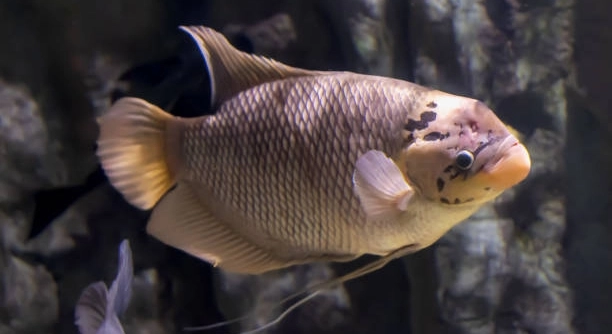
In certain fish species, flaring fins are a way to assert presence without engaging in a fight. Similarly, some reptiles puff up to regulate temperature or intimidate predators. These behaviors reflect adaptive strategies rather than hostile intent. Observing the environment and the animal’s overall behavior provides clearer insight. Awareness of these cues fosters respectful handling and care, reducing the risk of escalation and stress for the animal.
Signs That Flaring Is Not Aggression
Flaring without aggression usually includes relaxed body language. The animal’s movements are calm, and there is no direct approach or attack. These signs indicate communication rather than hostility.
When an animal flares but maintains distance or retreats afterward, it often means caution or curiosity rather than aggression. The animal uses flaring as a warning or signal to avoid confrontation. Calm breathing and slow movements accompany this behavior, suggesting the animal is not ready to fight. This is common in fish or birds during social interactions or when assessing their surroundings. Flaring in this context helps keep peace and balance within groups.
Animals may flare to test boundaries or assert presence without causing harm. This controlled display allows others to recognize signals and adjust their behavior. It prevents unnecessary fights and injuries. Recognizing these signs allows better responses and care for the animal.
When Flaring Indicates Stress or Fear
Flaring can be a sign of stress or fear, showing that the animal feels threatened or uncomfortable. This reaction aims to protect itself.
Stress-induced flaring is usually paired with other signals like hiding, rapid breathing, or vocalizing. The animal may appear tense or attempt to escape. This behavior is a defense mechanism meant to deter potential threats without fighting. In captive animals, changes in environment or handling often trigger this response. Understanding this helps improve their living conditions and reduce stress.
Fear-driven flaring warns others to keep distance and signals the animal’s unease. This reaction is temporary and subsides once the threat is removed. Recognizing these signs allows for timely intervention, preventing escalation and helping the animal feel safer. Proper handling, quiet surroundings, and patience reduce stress responses effectively.
Flaring as a Territorial Display
Flaring can be a way animals mark their territory without direct conflict. This behavior serves as a clear signal to others to keep their distance. It helps avoid physical fights.
Territorial flaring is common among many species, including fish, birds, and reptiles. This display asserts ownership of space while preventing injury on both sides. The animal may flare repeatedly when another enters its area but usually avoids close confrontation unless provoked. Recognizing territorial flaring helps maintain peaceful boundaries.
Flaring During Mating Rituals
Animals often use flaring as part of their mating behavior to attract partners or show readiness. This display enhances visual signals that communicate fitness and availability. Males typically flare more during courtship to impress females or warn rivals. Understanding this behavior helps distinguish mating displays from aggression, reducing misunderstandings and stress.
Flaring to Regulate Temperature
Some animals flare to help control their body temperature. This behavior helps cool down or warm up by increasing surface area exposure.
FAQ
What does flaring mean in animals?
Flaring is a way animals communicate by spreading or expanding parts of their body like fins, feathers, or fur. It can signal different emotions such as fear, excitement, or territorial warning. It is not always a sign of aggression but a natural form of expression depending on the context.
Is flaring always a sign of aggression?
No, flaring does not always mean aggression. Animals may flare to appear larger for protection, show excitement, or signal stress without intending to attack. Observing other body language and the situation helps determine if the behavior is aggressive or not.
Why do fish flare their fins?
Fish flare their fins for several reasons, including establishing territory, displaying during mating, or signaling stress. This behavior helps communicate with other fish without immediate physical conflict. Flaring can also show curiosity or alertness.
How can I tell if flaring is stress-related?
Stress-related flaring often comes with other signs like rapid breathing, hiding, or avoiding contact. The animal may appear tense or restless. This type of flaring serves as a warning and usually stops once the stressor is removed.
Does flaring help animals regulate temperature?
Yes, some animals flare to regulate body temperature. By spreading body parts, they can increase surface area to cool down or warm up more efficiently. This is common in reptiles and some birds.
Can flaring be part of mating behavior?
Flaring is often used during mating displays. Animals show off their health and readiness by expanding feathers, fins, or fur to attract mates. This behavior is generally non-aggressive and is intended to impress potential partners.
What should I do if my pet flares?
If your pet flares, observe the overall behavior and environment. If flaring occurs with calm body language, it may just be communication. If it happens alongside signs of fear or stress, provide a quiet and safe space. Avoid forcing interaction until your pet is calm.
Is flaring common in all animals?
Flaring is common in many species but not all. Fish, birds, reptiles, and some mammals use this behavior to communicate. The specific body parts involved and the reasons behind flaring vary depending on the species and context.
How can flaring affect animal interactions?
Flaring helps animals avoid fights by signaling intentions clearly. It sets boundaries and helps maintain social order. Understanding these signals allows humans to better manage animal interactions, reducing stress and potential injuries.
Can flaring be mistaken for aggression by humans?
Yes, flaring can easily be mistaken for aggression if the context is not considered. Many animals use flaring as a warning or display rather than an attack threat. Learning to read these behaviors helps prevent misinterpretation and improves care.
Does flaring occur more in captivity or the wild?
Flaring occurs both in captivity and the wild. In captivity, animals may flare more due to stress, limited space, or unfamiliar environments. Observing and adjusting care to reduce stress can help minimize unnecessary flaring.
How long does flaring usually last?
Flaring is usually a short-term behavior lasting from a few seconds to a few minutes. It occurs during specific situations like encounters with other animals or environmental changes. Persistent or prolonged flaring may indicate ongoing stress or discomfort.
Are there signs that indicate flaring will lead to aggression?
Signs that flaring may lead to aggression include direct approaches, rapid movements, loud vocalizations, or attempts to bite or attack. If these behaviors follow flaring, it is safer to give the animal space and avoid interaction.
Can flaring behavior be trained or modified?
In some cases, flaring behavior can be reduced through training, environmental enrichment, or improved care. Understanding the triggers behind flaring helps address the causes and promotes calmer behavior in pets or captive animals.
Is flaring harmful to animals?
Flaring itself is not harmful; it is a natural behavior. However, frequent flaring caused by stress or poor conditions can affect the animal’s health. Reducing stressors and providing a comfortable environment supports overall well-being.
What animals are most known for flaring?
Fish such as bettas and cichlids, birds like cockatiels and pigeons, reptiles such as bearded dragons, and some mammals use flaring. Each species has unique ways to display and interpret this behavior based on their biology.
How do I distinguish flaring from actual aggression in animals?
Look for accompanying signs like relaxed posture, avoidance, or slow movements to identify non-aggressive flaring. Aggressive behavior often includes stiff posture, direct eye contact, growling, or lunging. Context and additional signals are key to accurate interpretation.
Final Thoughts
Flaring behaviors in animals can be confusing because they do not always mean aggression. It is important to observe the context and the animal’s overall body language to understand what the flaring might be communicating. Sometimes, flaring is a way to protect themselves by appearing larger or more threatening, but other times, it is simply a form of communication that shows curiosity, stress, or territorial boundaries. Knowing these differences helps prevent misunderstandings and promotes better care for animals.
Recognizing non-aggressive flaring can improve how we respond to animals in various situations. For example, when an animal flares but then backs away or remains calm, it is usually not a threat. This behavior may be a warning or a way to express discomfort without fighting. By giving the animal space and avoiding sudden movements, the situation can remain peaceful. This understanding is especially helpful for pet owners and those who work with animals regularly, as it supports healthier interactions and reduces unnecessary stress.
Understanding the reasons behind flaring also highlights the importance of proper animal care and environment. Many animals flare more often when they feel stressed or threatened due to changes in their surroundings or social group. Providing a stable, comfortable environment can minimize this behavior and improve the animal’s overall well-being. Whether flaring is used to communicate fear, assert territory, or attract mates, it serves an important purpose. Being aware of this allows us to better meet the needs of animals and create safer, more respectful relationships with them.

Hello,
If you enjoy the content that we create, please consider saying a "Thank You!" by leaving a tip.
Every little bit helps us continue crafting quality advice that supports the health, happiness, and well-being of pets around the world, for pets of all shapes, sizes, and species.
We really appreciate the kindness and support that you show us!