
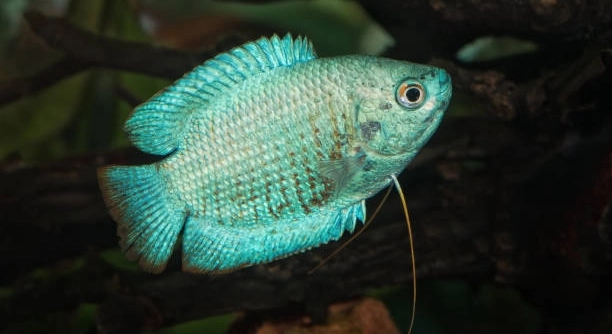
Gouramis are popular freshwater fish known for their peaceful nature. They live in calm waters and can respond to sounds around them. Understanding these sounds can help improve their care and environment.
Gouramis may react to seven main types of sounds: water movement, tapping on the tank, other fish noises, feeding sounds, vibrations from nearby activity, sudden loud noises, and human voices. These sounds influence their behavior and stress levels.
Knowing which sounds affect gouramis can help you create a calmer, healthier space for them. This knowledge is useful for both new and experienced fish owners.
Water Movement and Tank Noises
Water movement creates a constant background sound in the aquarium. Gouramis often react to changes in this sound, especially when water filters or pumps make louder noises than usual. Gentle flowing water is usually calming for them, but sudden splashes or bubbles can startle them. Tank noises from equipment, like air stones or heaters, can also catch their attention. These sounds are natural to their environment but can cause stress if too loud or irregular. It’s important to keep the equipment well-maintained to avoid unnecessary noise. Adjusting the filter’s flow or placing the tank on a soft surface can help reduce vibrations and sound. When gouramis feel secure with steady water sounds, they tend to show better health and more active behavior.
Maintaining consistent water movement noise helps gouramis feel safe and reduces their stress in the tank environment.
Gouramis rely on hearing these subtle water noises to sense their surroundings. When the sounds suddenly change, it may signal danger or disturbances, triggering their natural alertness. Keeping equipment quiet and steady is key to their comfort.
Tapping and Human Interaction
Tapping on the glass is a sound gouramis often notice and react to quickly. It is usually loud and sharp, causing them to swim away or hide. This noise can cause stress if repeated often, as they may interpret it as a threat. Gouramis are sensitive to sudden noises, especially those from outside the tank. When interacting with them, it’s best to avoid tapping or knocking on the glass. Instead, gentle movements around the tank can help them feel more at ease. Observing their reaction to sounds can also strengthen the connection between owner and fish.
Tapping causes stress in gouramis, so it should be minimized to maintain a calm tank environment.
Human voices, especially soft talking or gentle sounds, are less likely to frighten gouramis but still catch their attention. They may swim closer out of curiosity or recognize the routine of feeding time. Sounds from outside the tank that are sudden or loud should be avoided. Consistent, calm sounds create a peaceful setting for these fish. This helps reduce their stress and promotes healthy behavior. A quiet environment supports their well-being and encourages natural activity patterns.
Sounds from Other Fish
Gouramis are very aware of noises made by other fish in the tank. These sounds can include splashing, fin movements, and even aggressive displays.
Other fish create a variety of sounds, sometimes unintentionally, through movement and interaction. Gouramis react to these noises by becoming more alert or hiding. If the tank has noisy or aggressive species, gouramis may become stressed or shy. It’s important to monitor the tank’s atmosphere because peaceful gouramis prefer calm companions. Loud or constant noises from other fish can disturb their daily routine and eating habits, affecting their overall health.
In community tanks, the mix of sounds plays a role in how gouramis behave. Sometimes, the noise causes them to swim away or become less active. Observing these responses helps in managing tank harmony. Choosing compatible tank mates reduces stress and keeps gouramis comfortable in their environment.
Feeding Sounds
Gouramis recognize the sounds connected with feeding time. The noise of food hitting the water or the container opening signals them to come near.
These feeding sounds trigger excitement and anticipation in gouramis. They quickly learn to associate certain noises with food, reacting by swimming actively or gathering near the surface. Consistent feeding cues can help build trust between the fish and the owner. However, sudden changes in feeding routines or missing these sounds may confuse them, causing stress or reduced appetite. Understanding how gouramis respond to feeding noises helps keep their feeding times smooth and enjoyable.
The way gouramis respond to feeding sounds can also reveal their health and mood. Active responses usually mean they are healthy and comfortable, while lack of reaction might signal problems. Feeding sounds play a subtle but important role in their daily behavior and overall care.
Vibrations from Nearby Activity
Gouramis can feel vibrations caused by movement near their tank. Loud footsteps or tapping on furniture create these signals.
These vibrations can make gouramis uneasy, causing them to hide or swim nervously. Minimizing sudden nearby movements helps keep them calm.
Sudden Loud Noises
Sudden loud noises, like slamming doors or dropped objects, startle gouramis instantly. These sounds trigger a strong stress response. Keeping the environment quiet around the tank reduces their anxiety and promotes stability.
Human Voices
Gouramis respond to soft human voices by showing curiosity or calm behavior. Loud or harsh tones, however, can cause stress or fear. Speaking gently near the tank helps maintain a peaceful atmosphere for them.
What sounds do gouramis react to most?
Gouramis are sensitive to a variety of sounds, but they most often react to sudden or loud noises like tapping on the glass, sudden water splashes, and vibrations from nearby activity. These sounds are abrupt and unfamiliar, which can cause them to hide or swim nervously. They also respond to more consistent sounds, such as water movement or feeding noises, but these tend to be less stressful if steady and predictable. In general, sudden, sharp sounds disrupt their calm and make them alert, while gentle, regular sounds help keep them relaxed.
How can I reduce stress caused by sounds in my gourami’s tank?
Reducing stress from sounds involves managing both the tank environment and the surrounding area. First, avoid tapping or knocking on the glass, as this is very alarming to gouramis. Next, make sure your aquarium equipment runs quietly — adjust filters and pumps to minimize noise and vibrations. Place the tank away from heavy foot traffic, loud appliances, or areas with frequent sudden noises. You can also add plants and decorations inside the tank, which help absorb sounds and create hiding places, giving gouramis a sense of safety when they hear unfamiliar noises.
Do gouramis recognize their owner’s voice?
Yes, gouramis can recognize their owner’s voice, especially if it is calm and consistent. They may swim closer to the front of the tank when they hear familiar voices, often associating these sounds with feeding or gentle interaction. However, loud or harsh tones can frighten them, so it’s best to speak softly around the tank. Over time, they can learn to feel more comfortable and less stressed when hearing the same voices, which helps build a bond between owner and fish.
Why do gouramis react differently to sounds from other fish?
Gouramis react to other fish sounds because these noises are part of their social environment. Sounds like splashing or fin movements can signal different things — from normal activity to territorial displays. If other fish are aggressive or noisy, gouramis might become stressed or shy, trying to avoid conflict. On the other hand, peaceful tank mates create fewer stressful noises, allowing gouramis to feel more secure. Understanding the tank’s social dynamic helps explain why gouramis react differently based on who is making the noise.
Can feeding sounds affect gourami behavior?
Feeding sounds definitely influence gourami behavior. Gouramis quickly learn to associate noises like food hitting the water or container openings with mealtime. These sounds excite them and encourage active swimming and feeding. Consistent feeding sounds build positive anticipation and trust. If feeding sounds are irregular or missing, gouramis might become confused or lose interest in food, which can impact their health. Keeping feeding routines regular and predictable is beneficial for their wellbeing.
What are some signs that sounds are stressing my gourami?
Signs of stress from sounds include hiding frequently, erratic swimming, loss of appetite, and less interaction with their environment. If gouramis jump or swim nervously after noises like tapping or loud bangs, it’s a clear reaction to stress. Over time, chronic noise stress can weaken their immune system and make them more prone to illness. Observing these behaviors helps owners identify problem sounds and adjust the tank setup or surroundings to improve comfort.
Are vibrations from outside the tank harmful to gouramis?
While vibrations themselves are not directly harmful, they can cause stress if strong or frequent. Gouramis detect vibrations as potential threats, which triggers a natural alert response. Constant vibrations from footsteps, furniture movement, or loud appliances near the tank can lead to nervousness and hiding. Minimizing these vibrations by placing the tank on a soft mat or moving it away from heavy traffic areas helps reduce their impact and keeps gouramis more relaxed.
How do gouramis respond to water movement sounds?
Gouramis usually find steady water movement sounds calming because they mimic natural environments like slow streams or ponds. They respond well to gentle, continuous noise from filters or bubbles. However, sudden changes in water sounds — like splashes or air bubbles popping — can startle them. Maintaining a consistent water flow and minimizing loud, irregular noises helps gouramis stay calm and behave naturally.
Can gouramis hear human voices through the tank?
Yes, gouramis can hear human voices through the tank, but their response depends on the tone and volume. Soft, calm talking may interest them or encourage approach behaviors. Loud, sharp, or sudden voices can cause stress or frighten them. Speaking gently near the aquarium helps create a peaceful environment, allowing gouramis to feel more comfortable around people.
What should I do if my gourami is scared by loud noises?
If your gourami is scared by loud noises, try to identify and reduce the source of the sound. Avoid tapping on the tank and keep it away from noisy areas. Providing plenty of plants or hiding spots gives the fish a safe place to retreat. Calm, steady environments allow them to recover from stress more quickly. Watching their behavior over time ensures they are adjusting well and not suffering ongoing anxiety from noise.
Gouramis are sensitive fish that react to many sounds in their environment. These sounds can range from water movement and feeding noises to sudden loud bangs or tapping on the tank. Each type of sound affects them differently, sometimes causing curiosity and other times stress. Understanding how gouramis respond to these noises is important for creating a calm and healthy tank. Keeping their environment peaceful helps them stay comfortable and behave naturally. This care improves their overall well-being and can make watching them more enjoyable.
It is important to manage both the sounds inside the tank and the noises coming from outside. Equipment like filters and air pumps should be adjusted to run quietly without creating strong vibrations. The tank should also be placed away from places with a lot of sudden or loud noises, such as near doors or heavy foot traffic areas. Providing plants and decorations inside the tank offers places for gouramis to hide if they feel scared by a sound. This sense of security helps reduce their stress and allows them to recover faster after any disturbance.
Paying attention to your gourami’s reactions to sounds can help you learn what they find comfortable and what causes them worry. Watching their behavior when feeding time sounds happen, or when other fish create noise, offers clues about their mood and health. Gentle human voices and steady water noises are usually welcomed, while sudden or loud noises should be minimized. By keeping the tank quiet and peaceful, you create an environment where gouramis can thrive. Simple changes in noise levels can have a big impact on their happiness and long-term health.

Hello,
If you enjoy the content that we create, please consider saying a "Thank You!" by leaving a tip.
Every little bit helps us continue crafting quality advice that supports the health, happiness, and well-being of pets around the world, for pets of all shapes, sizes, and species.
We really appreciate the kindness and support that you show us!