
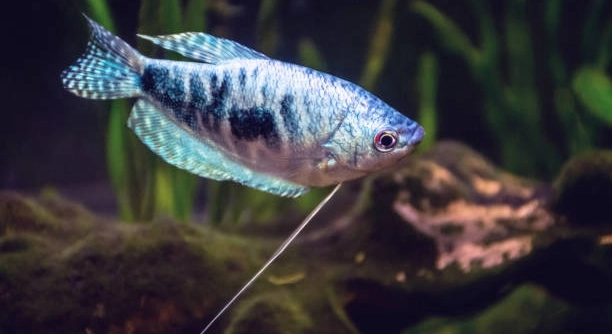
Gouramis are popular freshwater fish often kept in community tanks. They are generally peaceful but can sometimes nip at other fish. Understanding why this behavior happens can help maintain harmony in your aquarium.
Gouramis nip peaceful tankmates primarily due to territorial instincts, stress, or insufficient space. Aggression may also arise from competition for food or mates, and environmental factors such as poor water quality can increase irritability and cause nipping.
Learning more about these behaviors will help you create a balanced and peaceful environment for all your fish to thrive comfortably.
Understanding Gourami Territorial Behavior
Gouramis, like many fish, have natural territorial instincts. When they feel their space is being invaded, they may nip at other fish to defend their area. This behavior is most common in smaller tanks where space is limited. In larger tanks, gouramis tend to have enough room to establish their own zones, reducing the chance of conflict. Males can be particularly territorial, especially during breeding periods when they guard nests. If other fish come too close, gouramis might nip to assert dominance. Providing plenty of hiding spots and plants can help break up the tank visually and physically, giving each fish a sense of security. Reducing stress through stable water conditions and a balanced diet also lowers aggression levels. By understanding their need for personal space, you can better manage your tank setup to avoid these nipping episodes and keep peace among your fish.
Territorial nipping is more about protecting space than outright aggression, so addressing tank conditions often helps.
Creating separate zones within the aquarium with decorations and plants offers each fish a retreat. This setup limits direct confrontations. Also, keeping only one male gourami or separating aggressive individuals can reduce stress in the tank. Regularly monitoring fish behavior helps identify early signs of tension before it escalates. When gouramis feel secure, their need to defend territory decreases, and peaceful interactions become more common.
How Stress and Environment Affect Nipping
Stress plays a big role in why gouramis nip tankmates. Changes like poor water quality, overcrowding, or sudden movements in the tank can make gouramis nervous. When stressed, they act out by nipping to show discomfort or frustration. Maintaining clean water with proper filtration and doing regular water changes lowers stress. Overcrowding increases competition for food and space, which leads to more aggression. Make sure your tank size matches the number and species of fish. A stable environment with consistent temperature and minimal disturbances keeps gouramis calm. Feeding on a regular schedule also helps them feel secure. When these conditions are met, gouramis are less likely to nip and more likely to behave peacefully with others in the tank.
Recognizing Signs of Nipping
Nipping often starts with small, quick bites directed at fins or tails. You may notice damaged or frayed fins on peaceful tankmates. Some fish might hide more or become stressed from repeated nipping. Observing these signs early helps prevent worsening behavior.
When nipping begins, it can cause stress and injury to other fish, affecting their health and behavior. The victimized fish may lose scales or develop infections if bites go untreated. Pay close attention to interactions in the tank, especially if your gourami has recently changed or if the environment has shifted. Early detection allows you to intervene quickly, either by rearranging the tank or separating aggressive fish. Regularly check the fins and overall condition of your fish to catch nipping before it escalates into a serious problem.
Different gourami species show varying levels of nipping behavior. Dwarf gouramis tend to be less aggressive, while larger species might nip more often. Tank size and population also affect how much nipping occurs. Smaller tanks with many fish increase tension and chances of nipping.
Managing Nipping Through Tank Setup
Proper tank setup can reduce nipping significantly. Use plenty of plants, caves, and decorations to create hiding spots and break sight lines. This lowers territorial disputes and stress among fish.
Adequate space between fish is important. Overcrowding forces fish into close contact, increasing the chance of conflict. A larger tank gives gouramis room to swim freely and claim their own territory. Balanced stocking with compatible species prevents competition over food and space. Regular water changes maintain clean conditions, reducing irritability. Sometimes, adding a mirror temporarily helps gouramis burn off excess energy safely. Watching your gouramis closely after changes in the tank helps you notice new tensions quickly. Adjusting the setup based on behavior ensures a more peaceful community overall.
Feeding Habits and Nipping
Uneven feeding can cause gouramis to nip tankmates. When food is scarce or competition is high, they may nip to get more attention or defend their share. Feeding smaller amounts more often helps reduce this behavior.
Using sinking pellets or spreading food around the tank ensures all fish get fed. This lowers food-related aggression and keeps gouramis calmer during mealtime.
Introducing New Fish to the Tank
New fish can trigger nipping as gouramis establish dominance. Introducing tankmates slowly and watching their behavior helps reduce stress. Quarantining new arrivals prevents diseases that might weaken or irritate fish.
Adding new fish during feeding times can distract gouramis and help them adjust without focusing aggression on the newcomers.
When to Separate Aggressive Gouramis
If nipping causes injuries or stress, separating the aggressive gourami is necessary. This protects the health and peace of the entire tank.
Why do gouramis nip peaceful tankmates?
Gouramis nip mainly due to territorial behavior, stress, or competition. They may feel threatened if their space is invaded or if food is limited. Stress from poor water quality or overcrowding can also make them more aggressive. Nipping is a way for them to communicate discomfort or dominance within the tank.
How can I tell if my gourami is nipping other fish?
Look for small bite marks or damaged fins on other fish. The nipped fish may hide more or appear stressed. You might see quick, darting movements as the gourami goes after its tankmates. Watching interactions closely will help you spot early signs before injuries worsen.
Does tank size affect gourami nipping?
Yes, tank size is very important. Smaller tanks force fish into close quarters, increasing territorial disputes and stress. Larger tanks provide space for gouramis to establish separate areas, reducing the chance of nipping. Overcrowding in any tank, regardless of size, can increase aggression.
Can certain gourami species nip more than others?
Different gourami species have varying temperaments. Dwarf gouramis are generally less aggressive, while larger species like the kissing gourami or pearl gourami might nip more often. Knowing your species’ typical behavior helps in choosing compatible tankmates and managing aggression.
How does feeding impact nipping behavior?
Unequal feeding or competition for food can trigger nipping. If some fish are slow eaters, faster gouramis may nip to push them away. Feeding smaller, frequent meals and using sinking pellets or spreading food can help all fish eat peacefully without fights.
What environmental factors increase nipping?
Poor water quality, sudden changes in temperature, or high noise levels can stress gouramis. Stress makes them irritable and more likely to nip. Regular water testing, stable temperature, and a calm environment reduce stress and keep fish behavior calm.
Are there ways to prevent nipping without removing fish?
Yes, improving tank setup with plenty of hiding spots and visual barriers helps. Plants, caves, and decorations create separate spaces, reducing encounters. Maintaining good water quality and balanced feeding schedules also lowers aggression. Sometimes adding tank mates with similar temperament helps distribute attention.
When should I consider separating a nipping gourami?
If nipping leads to visible injuries, ongoing stress, or death of other fish, separation is necessary. Removing the aggressive gourami protects the tank’s health and peace. Temporary separation might be enough, or you may need a permanent new home for the aggressive fish.
Can nipping damage fish beyond just fin injuries?
Yes, repeated nipping can cause open wounds that lead to infections. Stressed fish also have weaker immune systems, making healing slower. Severe cases can cause long-term health problems or death, so prompt action is important to prevent serious harm.
How do I introduce new fish to avoid triggering nipping?
Introduce new fish slowly and keep them in a quarantine tank first. When adding them to the main tank, try feeding during introductions to distract gouramis. Watch closely for aggression and be ready to separate fish if needed. Gradual introductions help reduce territorial fights.
Is it normal for gouramis to nip during breeding?
Yes, males especially can become more aggressive during breeding. They guard nests and chase away intruders to protect eggs or fry. Providing enough space and hiding places helps reduce conflict. Sometimes separating breeding pairs is needed to avoid stress on other tankmates.
Can nipping behavior change over time?
Yes, nipping may increase with changes in tank conditions or fish maturity. Stressful events like water changes, new fish, or illness can trigger aggression temporarily. Over time, as fish settle and establish territories, nipping may decrease if conditions remain stable.
What role does diet play in reducing nipping?
A balanced diet keeps gouramis healthy and less irritable. Lack of nutrients can increase stress and aggression. Feeding a mix of flakes, pellets, and live or frozen foods satisfies dietary needs. Avoid overfeeding, which can cause water problems and stress fish.
Are some tankmates better to keep with gouramis to reduce nipping?
Choosing peaceful, non-aggressive species helps maintain harmony. Avoid fin-nipping fish or very active species that may provoke gouramis. Bottom dwellers like Corydoras catfish or shy tetras often coexist well. Researching compatible species before stocking reduces conflicts.
How often should I check for signs of nipping?
Daily observation is best, especially after introducing new fish or changing tank conditions. Early detection of nipping signs allows quick adjustments. Regularly inspecting fins and behavior keeps your tank healthy and peaceful. Prompt action prevents minor issues from becoming major problems.
Gouramis are wonderful fish to keep in a community aquarium because of their calm and gentle nature. However, nipping can sometimes occur, which might surprise those who expect only peaceful behavior. This nipping usually comes from natural instincts like defending their space or competing for food. It is not usually about being mean but rather a way for the gouramis to communicate or react to their surroundings. Understanding why gouramis nip helps fishkeepers create a better environment where all tankmates can live together peacefully.
One of the most important things to remember is that tank conditions have a big impact on gourami behavior. When the tank is overcrowded or lacks hiding spots, stress rises. Stress makes gouramis more likely to nip at other fish. Keeping the water clean, providing enough space, and adding plants or decorations to break up the area can reduce tension. Feeding regularly and making sure all fish get their share also helps keep gouramis calm. These simple changes often stop nipping before it becomes a serious problem. Watching your fish carefully and making small adjustments to the tank setup can lead to a much happier tank community.
If nipping continues despite your efforts, separating the aggressive gourami may be necessary to protect the other fish. Sometimes, even peaceful fish have personalities that do not fit well together. In those cases, it is okay to find a new home for the nipper or keep them in a separate tank. The goal is to keep all fish healthy and stress-free. With patience and attention, it is possible to enjoy a peaceful aquarium with gouramis and their tankmates living happily side by side. Taking the time to understand your fish and their needs is the best way to create a balanced and calm environment.

Hello,
If you enjoy the content that we create, please consider saying a "Thank You!" by leaving a tip.
Every little bit helps us continue crafting quality advice that supports the health, happiness, and well-being of pets around the world, for pets of all shapes, sizes, and species.
We really appreciate the kindness and support that you show us!