
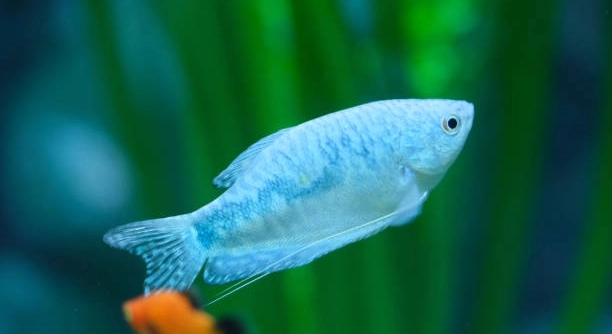
Gouramis are popular freshwater fish known for their vibrant colors and peaceful nature. Many aquarists enjoy keeping them in home tanks due to their calm demeanor. Observing how gouramis behave in different environments can help improve their care.
Gouramis generally prefer quiet environments with minimal disturbances. Excessive noise or vibrations can cause stress, impacting their health and behavior. Maintaining a calm, silent tank promotes natural activity and well-being for these fish.
Understanding the importance of a peaceful tank can enhance your gourami’s quality of life. This article will explore how silence affects their behavior and offer tips for creating an ideal environment.
Understanding Gourami Behavior and Tank Noise
Gouramis are sensitive fish that respond noticeably to their surroundings. Sudden or constant noise can disturb them, triggering stress reactions like hiding or erratic swimming. These behaviors indicate discomfort and can lead to weakened immune systems over time. In a quiet tank, gouramis display more natural activities such as exploring, feeding, and interacting calmly with tank mates. Noise sources often include household appliances, loud music, or tapping on the glass. Even vibrations from nearby movement can affect their comfort. Reducing these disturbances helps maintain a stable environment where gouramis thrive. Regular observation allows aquarists to notice subtle changes in behavior caused by noise. Adjusting the tank location or adding noise dampening elements can significantly improve their well-being.
A calm atmosphere is essential for gouramis to feel secure. Less noise supports their natural behavior and health.
Providing a quiet, stable environment encourages gouramis to settle and display their natural colors and patterns. Stress reduction through noise control helps avoid common illnesses related to poor conditions. Some gouramis may be more tolerant than others, but overall, silence promotes a balanced aquarium. Simple steps like placing the tank away from busy areas, using soft filters, and avoiding tapping can create a peaceful home for these fish. Consistency in their environment improves feeding habits and social interactions. Quiet tanks also make it easier for aquarists to notice any signs of illness or distress early. Maintaining tank silence is a key part of responsible gourami care.
Creating a Peaceful Tank Environment
Minimizing noise around the aquarium improves gourami health and comfort.
To create a peaceful environment, choose a quiet room or corner for the tank. Avoid placing it near doors, televisions, or areas with heavy foot traffic. Use equipment that runs quietly, such as low-noise filters and heaters, to reduce background sounds. Covering the tank with a lid helps lessen external noises and vibrations. Soft aquarium lighting complements the silent setting, preventing sudden flashes or changes that may startle the fish. Regular maintenance without banging or tapping on the tank glass keeps the space calm. Adding plants and decorations can absorb sound and provide hiding spots, further calming gouramis. These steps build a stress-free habitat where gouramis feel safe and behave naturally, enhancing their overall longevity and vitality.
Signs of Stress in Gouramis
Stress in gouramis often shows through changes in behavior or appearance. Common signs include hiding more than usual, loss of appetite, and dull coloration. Erratic swimming or aggression can also indicate discomfort.
When gouramis are stressed, their immune systems weaken, making them more prone to disease. Stress may cause them to stop eating or become lethargic. Some gouramis may isolate themselves from tank mates or hide behind plants and decorations. Watching for these signs helps identify noise or other environmental problems early. Consistent disturbances can worsen stress, reducing the fish’s lifespan. Prompt action to reduce noise and improve tank conditions can restore calm and encourage healthier behavior in gouramis.
In some cases, stress causes physical symptoms like fin clamping or spots on the body. These require attention to water quality and environmental factors. Reducing noise and maintaining clean, stable water improves recovery chances and supports long-term health for gouramis.
Benefits of a Quiet Tank for Gouramis
A quiet tank promotes better feeding habits and reduces stress-related illnesses in gouramis. They tend to be more active and display natural behaviors when undisturbed.
In silent surroundings, gouramis interact more calmly with other fish, reducing territorial disputes and aggression. Quiet conditions help maintain consistent water quality by limiting stress-induced waste. Stress reduction supports immune function, lowering the risk of infections like fin rot or ich. Peaceful environments encourage breeding behavior in gouramis, as they feel secure enough to spawn. Overall, maintaining silence in the tank creates a stable habitat where gouramis thrive, making it easier to care for them and enjoy their vibrant presence.
How to Reduce Noise Around the Tank
Place the aquarium away from high-traffic areas in your home. This helps limit sudden noises and vibrations that can stress gouramis.
Use soft padding under the tank stand to absorb vibrations. Avoid tapping on the glass or banging nearby objects to keep the environment calm.
Choosing Quiet Equipment
Select aquarium filters and air pumps designed for low noise output. These help maintain water quality without disturbing the fish.
Regular maintenance on equipment ensures smooth operation, preventing unexpected loud noises that might startle gouramis.
Tank Placement Tips
Avoid placing the tank near doors, loud appliances, or speakers. A quiet corner reduces external noise impact on the fish.
Benefits of Plants and Decorations
Plants and decorations absorb sound and offer hiding spots. This creates a peaceful space that comforts gouramis and reduces stress.
FAQ
Do gouramis get stressed by loud noises?
Yes, loud noises and sudden vibrations can stress gouramis. They are sensitive to their environment, and excessive noise may cause them to hide, stop eating, or swim erratically. Keeping the tank in a quiet area reduces these risks and promotes calmer behavior.
Can background music affect gouramis?
Background music at a low volume usually does not harm gouramis. However, loud or sudden changes in music volume can disturb them. Consistent noise is less stressful than unpredictable sounds, so keeping music soft and steady helps maintain a peaceful environment.
Is tank silence necessary all the time?
Complete silence is not always required, but minimizing loud or sharp noises is important. Gouramis benefit from a generally calm space where disturbances are rare. Soft ambient sounds and steady equipment noise are usually acceptable as long as they don’t cause stress.
How do I know if my gouramis are stressed?
Look for signs such as hiding more than usual, loss of appetite, dull colors, or erratic swimming. Some gouramis may become aggressive or isolate themselves. Early detection helps prevent health problems caused by prolonged stress.
Will gouramis get used to noise over time?
Some gouramis may adapt slightly to constant background noise, but sudden loud sounds will always cause stress. It is better to limit noise as much as possible rather than rely on adaptation.
Does tank noise affect breeding?
Yes, noisy environments can prevent gouramis from breeding. Stress from noise disrupts their natural behavior, making them less likely to spawn. A quiet, stable tank encourages breeding activity and improves success rates.
What equipment makes the least noise?
Look for filters and air pumps labeled as “quiet” or “low noise.” Canister filters and sponge filters are usually quieter than power filters. Proper maintenance also keeps equipment running smoothly and quietly.
Can adding plants reduce noise stress?
Yes, live or artificial plants absorb sound and offer hiding spots. These elements create a more secure environment, helping gouramis feel less threatened by external noise or movement.
Is tank size related to noise sensitivity?
Larger tanks may buffer noise better because water absorbs vibrations more effectively. Smaller tanks tend to transmit noise more easily, so placing them in quieter locations is even more important.
How often should I check for stress signs?
Daily observation is ideal. Watching your gouramis regularly helps you notice early changes in behavior or appearance, allowing quick action to reduce stress factors.
Can other fish affect gouramis’ stress?
Yes, aggressive or noisy tank mates can increase gourami stress. Keeping peaceful fish and ensuring enough space helps maintain harmony and reduces stress from social interactions.
Does lighting impact stress levels?
Harsh or flickering lighting can add to stress. Soft, steady lighting combined with quiet surroundings supports a calm environment. Use timers to maintain consistent light cycles for the tank.
Are gouramis stressed by people tapping on the glass?
Yes, tapping the glass startles gouramis and causes stress. It is best to avoid this behavior and use gentle methods to attract their attention when needed.
How can I create a daily routine to reduce stress?
Maintain regular feeding times, keep the tank clean, and avoid sudden changes in noise or lighting. A stable routine helps gouramis feel secure and less anxious.
What should I do if my gouramis show signs of stress?
First, check for noise or other environmental causes and reduce them. Ensure water quality is good and provide hiding spots. If stress continues, consult a specialist for possible health issues.
Can I use soundproofing materials near the tank?
Yes, placing foam panels or rugs nearby can absorb sound and reduce vibrations. This helps create a quieter space for gouramis to feel comfortable.
Final Thoughts
Maintaining a calm and quiet environment is important for the well-being of gouramis. These fish respond to changes in their surroundings, especially noise and vibrations. A noisy tank can cause them to become stressed, which affects their behavior and health. Stress may lead to hiding, reduced appetite, and weakened immune systems. Ensuring the aquarium is placed in a quiet area, away from loud appliances or frequent activity, can help keep gouramis comfortable and relaxed. Small adjustments, such as using quiet equipment and adding plants or decorations, can also improve their living conditions significantly.
Creating a peaceful tank environment not only supports gouramis’ health but also encourages natural behaviors. When gouramis feel safe and undisturbed, they tend to swim more freely, explore their surroundings, and interact calmly with other fish. This peaceful behavior makes them easier to observe and care for. Quiet surroundings may even promote breeding, as stress is reduced and gouramis feel secure enough to reproduce. It is important to remember that complete silence is not necessary, but minimizing loud or sudden noises can make a big difference in the fish’s comfort and overall well-being.
Regular observation of gouramis is essential to detect signs of stress early. Changes in color, appetite, or activity level can indicate discomfort. When stress is noticed, taking quick action to reduce noise or improve water quality can prevent more serious health problems. Maintaining a consistent daily routine with feeding, cleaning, and monitoring water parameters supports a stable environment that gouramis thrive in. Quiet, steady care allows these fish to live longer, healthier lives while providing an enjoyable experience for the keeper.

Hello,
If you enjoy the content that we create, please consider saying a "Thank You!" by leaving a tip.
Every little bit helps us continue crafting quality advice that supports the health, happiness, and well-being of pets around the world, for pets of all shapes, sizes, and species.
We really appreciate the kindness and support that you show us!