
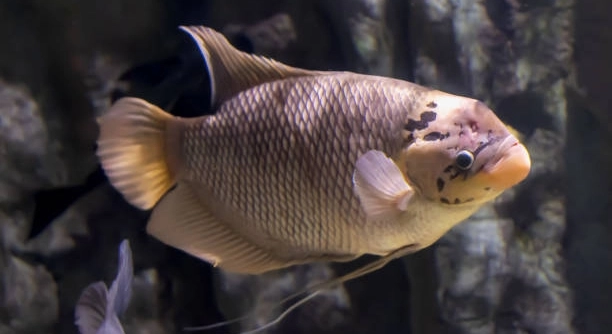
Gouramis are peaceful fish that may act shy or avoid a new tank setup. Their cautious nature means they often take time to adjust to unfamiliar surroundings and changes. Understanding their behavior helps create a better environment for them.
Gouramis may avoid a new tank setup due to stress caused by sudden environmental changes, unfamiliar territory, water conditions, and lack of hiding spots. These factors can lead to hesitation and reduced activity as they adapt.
Learning about these reasons can help you create a comfortable tank that encourages your gourami to explore and thrive.
Common Reasons Gouramis Avoid a New Tank
When a gourami first enters a new tank, many factors can make it wary. Sudden changes in water temperature, pH levels, or hardness can cause discomfort. These fish are sensitive to their environment and prefer stable conditions. If the water parameters differ greatly from their previous home, they might hide or swim less. The layout of the tank matters too—lack of plants or hiding spots leaves them feeling exposed. Gouramis like to explore but need places to feel safe. Bright lights or strong water currents can also stress them. It’s important to introduce them slowly and create a calm, natural space to reduce their anxiety. Over time, most gouramis will become more confident as they get used to the setup.
Water quality is a key factor in gourami behavior.
Adjusting water conditions carefully and adding plants helps gouramis feel secure, encouraging them to swim actively and explore.
How to Help Your Gourami Adjust
Creating a peaceful environment is crucial for gouramis to settle in. Start by ensuring water temperature and chemistry closely match their previous habitat. Adding plenty of plants, especially tall and leafy ones, provides hiding places and reduces stress. Dim lighting or using floating plants can soften bright tank lights. Avoid strong currents by placing filters where water flow is gentle. It’s also best to keep the tank quiet and limit disturbances during the first days. Feeding small amounts regularly helps them regain trust in the environment. Watching their behavior daily allows you to spot signs of stress early. Patience is important—gouramis may take several days or even weeks to feel fully comfortable. With the right care, they will gradually explore more and show their true colors. Your effort in creating a welcoming tank makes a big difference in their well-being.
Tank Setup and Environment
The tank setup greatly influences how quickly gouramis feel at ease. A cluttered or bare tank can cause them to hide or stay still.
Providing plenty of plants and decorations offers shelter and helps gouramis feel less exposed. They enjoy spaces where they can swim freely but also retreat when needed. Using live plants improves water quality and mimics their natural habitat, which lowers stress levels. Positioning plants at different heights creates a layered environment that gouramis appreciate. Avoid overcrowding the tank, as too many fish can increase tension and cause gouramis to be shy or avoid the open.
Water temperature and lighting also play vital roles. Keeping the temperature stable between 75-82°F matches their comfort zone. Lighting should be soft and not too intense, as bright lights might make gouramis seek cover. Floating plants or dimmers help adjust light levels comfortably. Regular maintenance of the tank environment ensures gouramis stay healthy and active, encouraging natural behavior.
Introducing Gouramis to a New Tank
Slow introduction minimizes shock for gouramis when they enter a new tank. Using a quarantine tank or acclimation process helps them adjust gradually.
Float the sealed bag with the gourami in the new tank water for 15-30 minutes to equalize temperature. Slowly add small amounts of tank water into the bag every 10 minutes for about an hour to help them adapt to water chemistry. This reduces sudden changes that stress the fish. After acclimation, gently release the gourami into the tank. Avoid flushing water from the transport bag into the tank to prevent contamination. Giving them time to explore without disturbance helps them become comfortable faster.
Observing behavior during the first few days is important. A shy or hiding gourami at first is normal but watch for signs of illness or extreme stress. Maintaining stable tank conditions, offering hiding spots, and feeding lightly supports their transition. Over time, the gourami will begin to explore more and become an active, vibrant part of the tank community. Patience and careful introduction make a big difference in their well-being.
Stress Factors Affecting Gouramis
Stress is a major reason gouramis avoid new tanks. Loud noises, sudden movements, or frequent tapping on the glass can cause anxiety and make them hide.
Keeping the tank area calm and quiet helps reduce stress. Minimizing disturbances supports their adjustment and encourages more natural behavior over time.
Water Quality Importance
Maintaining excellent water quality is essential for gourami health. High ammonia, nitrite, or nitrate levels can stress them and lead to illness. Regular water changes and testing help keep the water safe and stable. Using a reliable filter and avoiding overfeeding are key practices. Clean water promotes better activity and reduces hiding.
Tank Mates Impact
Aggressive or overly active tank mates can intimidate gouramis. Choosing peaceful companions is crucial to help gouramis feel secure and reduce avoidance behaviors.
Feeding Habits
Proper feeding routines help gouramis settle in. Regular, small meals encourage exploration and build trust with their environment.
FAQ
Why does my gourami hide all the time in the new tank?
Gouramis often hide when they feel unsafe or stressed. A new tank can be overwhelming because of unfamiliar surroundings, water conditions, or bright lights. They use hiding spots to feel protected while they slowly get used to the environment. Make sure the tank has plenty of plants or decorations where your gourami can retreat. Also, avoid sudden movements and loud noises near the tank, as these can increase their stress. Over time, as they feel more secure, they will spend less time hiding and more time exploring.
How long does it take for gouramis to get used to a new tank?
Most gouramis start showing signs of comfort within a week, but full adjustment can take up to several weeks. The exact time depends on the tank conditions and how well you prepare the environment. Consistent water quality, temperature stability, and plenty of hiding places help speed up their adaptation. During this period, avoid disturbing the tank too much and feed them regularly with small amounts to encourage normal behavior. Patience is key when helping your gourami settle.
Can the wrong water temperature cause my gourami to avoid the tank?
Yes, water temperature outside their comfort range can make gouramis lethargic or stressed. They prefer temperatures between 75°F and 82°F (24°C to 28°C). If the water is too cold or too warm, their metabolism slows down or speeds up in a way that makes them uncomfortable. Using an aquarium heater or chiller can help maintain stable temperatures. Keep a thermometer in the tank to monitor this regularly.
What should I do if my gourami won’t eat in the new tank?
It’s common for gouramis to lose their appetite when first introduced to a new tank. This is usually due to stress or adjustment to new water conditions. Try feeding them small amounts of familiar food multiple times a day. Using live or frozen foods like brine shrimp can sometimes stimulate their appetite. If the gourami refuses food for more than a week, check water quality and tank parameters, as illness or poor conditions might be the cause.
Are certain tank mates better for helping gouramis feel comfortable?
Yes, peaceful and slow-moving fish are best as tank mates for gouramis. Aggressive or very active fish can stress gouramis and make them hide more. Good companions include small tetras, rasboras, or Corydoras catfish. Avoid fin-nippers or overly territorial species. A calm community tank encourages gouramis to swim freely and display natural behaviors without feeling threatened.
Why does my gourami stay at the surface and avoid the rest of the tank?
Gouramis sometimes stay near the surface if they feel safer there or if the oxygen level in the water is low. They are labyrinth fish, meaning they can breathe air from the surface, which is helpful in poorly oxygenated tanks. Check the water’s oxygen levels and make sure the filter provides gentle circulation. Adding plants that improve oxygen can also help. If they continue staying at the top, monitor for illness or water quality issues.
How important are hiding spots in a gourami tank?
Hiding spots are very important because they help gouramis feel secure. Without places to retreat, gouramis may feel exposed and stressed, leading to avoidance behavior. Plants, caves, and decorations offer shelter and reduce stress. A well-planted tank mimics their natural habitat and encourages natural behavior like exploring and resting safely.
What changes should I avoid when my gourami is still adjusting?
Avoid large or sudden changes in water temperature, pH, or tank layout during the adjustment period. Frequent disturbances like loud noises, tapping on the glass, or moving decorations can cause stress. Also, avoid adding new fish right away. Gradual and minimal changes help gouramis feel safe and reduce their tendency to avoid the tank.
Can poor water quality make gouramis avoid their new tank?
Absolutely. Poor water quality, such as high ammonia, nitrites, or nitrates, can cause stress, illness, and hiding behavior in gouramis. Regular water testing and partial water changes are essential to keep conditions safe. A clean, stable environment encourages gouramis to be active and explore their surroundings.
How can I encourage my gourami to explore the whole tank?
Creating a comfortable environment with good water quality, proper temperature, and plenty of hiding places helps gouramis feel secure enough to explore. Feeding near different parts of the tank can also encourage movement. Avoid sudden disruptions and maintain a calm atmosphere. Over time, as trust builds, your gourami will become more confident and curious.
Final Thoughts
Adjusting to a new tank can be a big change for gouramis. Their natural instincts make them cautious when placed in unfamiliar surroundings. This is why they often avoid exploring right away. Factors like water quality, tank setup, temperature, and tank mates all play important roles in how comfortable they feel. It’s normal for gouramis to hide or act shy at first, but with time and proper care, they usually settle in well. Patience and understanding their needs can make a big difference in helping them adjust.
Creating a stable and welcoming environment is key. Gouramis need consistent water conditions that match their natural preferences, including proper temperature and pH levels. A well-planted tank with plenty of hiding spots helps reduce their stress. Keeping the lighting soft and water flow gentle also supports their comfort. Introducing them slowly and avoiding sudden changes or disturbances can prevent unnecessary anxiety. When their surroundings feel safe, gouramis will become more active and show their true colors. Watching their behavior closely during this period lets you spot any issues early.
Remember, every gourami is different and may adjust at its own pace. Some may become comfortable quickly, while others take several weeks to feel fully at ease. Regular feeding, calm tank conditions, and peaceful tank mates all help create a positive environment for your fish. If your gourami still avoids the tank after a long time, checking water quality and health is important. Overall, with the right care and environment, gouramis can thrive and become a beautiful, lively part of your aquarium. Taking time to understand their behavior is the best way to support them.

Hello,
If you enjoy the content that we create, please consider saying a "Thank You!" by leaving a tip.
Every little bit helps us continue crafting quality advice that supports the health, happiness, and well-being of pets around the world, for pets of all shapes, sizes, and species.
We really appreciate the kindness and support that you show us!