
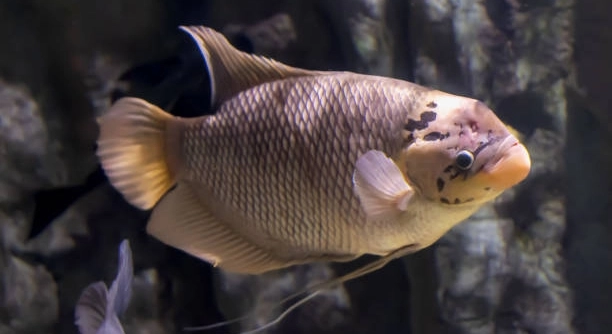
Is your gourami acting distant, hiding too often, or showing signs of stress even though the tank looks fine to you?
Gourami can become agitated due to specific tank layout mistakes, including poor plant placement, excessive currents, overcrowding, lack of surface access, bright lighting, wrong tankmates, and inadequate hiding spots. Each error disrupts their comfort and behavior.
Understanding what makes your tank feel uncomfortable to a gourami can help you create a space where it can truly thrive.
Overcrowding the Tank
Gourami are known for their peaceful nature, but they still need space to feel secure. Overcrowding a tank with too many fish can lead to territorial disputes, stress, and reduced water quality. This becomes more of an issue in tanks under 30 gallons. Limited space increases the chances of aggressive interactions, especially if fast-moving or nippy fish are present. Gourami also need room near the surface, where they often go to breathe air. When this area is congested, they may avoid it, affecting their health. Crowding also means more waste, which makes it harder to maintain stable water conditions. Ammonia spikes or inconsistent temperatures can irritate gourami and lead to health problems. Even if the tank looks lively, too many fish in one space usually causes discomfort. Always account for adult fish size and behavior when stocking.
Stick to species with similar temperaments, and don’t exceed one gourami per 10 gallons of water.
Choose tankmates carefully and plan around available swimming space, surface access, and shelter. Even peaceful fish can trigger stress if the tank is too full. Monitor behavior during feeding or after adding new fish, and remove anyone showing constant chasing or fin-nipping. Regular observation helps you spot problems early and maintain a calmer tank.
Lack of Surface Access
Gourami have a labyrinth organ, which allows them to breathe air at the surface. Blocking access to this area can cause stress.
Heavy surface agitation, floating decorations, or thick plant growth can all limit access to air. Gourami rely on periodic surface breathing, especially in low-oxygen environments. If they struggle to reach the surface, they may become anxious, breathe heavily, or hide more often. Even strong water filters can make the surface too rough for them to approach comfortably. A poorly placed lid or dense floating plants may also discourage access. It’s important to design the top of the tank with calm, open patches. You don’t have to remove all floating plants—just keep them trimmed and balanced. Try using sponge filters or adjusting the filter output direction to reduce water disturbance. Giving your gourami an easy path to the surface helps it stay relaxed and promotes better breathing.
Bright Lighting Without Shade
Bright lighting without any shaded areas can overwhelm gourami. They prefer softer lighting and spots where they can retreat. Constant exposure to harsh light may cause them to hide more often or become less active during the day.
If your tank lighting is too intense, consider adding floating plants or tall decorations to soften the glare. These features create natural shade and mimic the gourami’s wild environment. Light that covers the entire tank with no dim areas leaves your fish feeling exposed. Stress levels increase when there’s nowhere to hide from constant brightness. Gourami often thrive when they have control over their environment, including light exposure. If your tank has adjustable lighting, reduce intensity or create a day-night cycle to help regulate their behavior. A well-balanced setup encourages natural activity, especially in the early morning or evening when the light feels less harsh.
When there’s no shaded space, gourami may retreat to corners or under the filter, where light is weaker. Over time, this limited movement can lead to lower energy, a reduced appetite, and vulnerability to illness. You don’t need to darken the entire tank—just give them options. Combine soft lighting with structured plants or decor, and avoid bright LED setups without dimming functions.
Incompatible Tankmates
Aggressive or fast-swimming tankmates often make gourami uncomfortable. Fish that chase or nip fins cause stress and can lead to injury. Even peaceful fish can be a problem if they constantly compete for food or crowd the same swimming area.
Gourami do best when housed with calm, slow-moving species that leave them alone. Barbs, cichlids, or overly curious fish often create conflict. While some combinations might seem fine at first, tension can build over time, especially in small tanks. Watch for subtle signs like hiding, loss of color, or unusual breathing. These can indicate stress from a tankmate. Before adding new fish, research their behavior and swimming zones. A peaceful tank isn’t just about avoiding obvious aggression—it’s about balance. If you notice frequent chasing or nipping, be ready to rehome one of the fish or rearrange the tank to reduce tension. Careful planning helps prevent long-term issues.
Strong Water Flow
Strong currents can tire out gourami and make swimming feel like a struggle. They prefer gentle water movement and calm zones where they can rest. Constant flow disrupts their natural behavior and may cause them to avoid certain areas of the tank.
Use sponge filters or adjustable outputs to control the water flow. Aim for a setup where plants and decorations create calm spaces. If your gourami is hovering near the bottom or behind the filter, the current might be too strong. Reducing the flow helps them feel more comfortable and encourages normal activity levels.
Lack of Vertical Space
Tall tanks allow gourami to swim comfortably between surface and mid-level areas. Shallow tanks limit their range and can affect their behavior. Since they often rise for air, vertical space matters as much as horizontal room. A cramped setup can lead to frustration and lower activity.
Not Enough Hiding Spots
Without enough hiding places, gourami may feel unsafe and stressed. Plants, caves, and decorations give them areas to rest and avoid conflict. Even a confident fish benefits from having secure spaces. A well-decorated tank helps reduce tension and supports healthy, natural behavior.
What causes gourami to hide constantly?
Gourami often hide when they feel stressed or unsafe. Common reasons include overcrowding, aggressive tankmates, or a lack of hiding spots. Bright lighting and strong water flow can also push them to retreat. Providing plenty of plants, caves, and shaded areas helps gourami feel secure. When gourami hide frequently, it usually signals discomfort with their environment or companions. Adjusting tank conditions to reduce stress encourages them to swim more openly.
How can I reduce aggression among tankmates?
Aggression often comes from overcrowding or incompatible species. To reduce conflict, avoid mixing fast, aggressive fish with gourami. Keep enough space for each fish to claim a territory, and add hiding spots for retreat. Feeding regularly and evenly helps prevent competition for food. Sometimes, rearranging decorations breaks up sightlines, lowering territorial disputes. Removing the most aggressive fish may be necessary if problems persist. Monitoring fish behavior helps catch aggression early before injuries occur.
Is it normal for gourami to gasp at the surface?
Yes, gourami have a labyrinth organ allowing them to breathe atmospheric air. Gasping at the surface is a natural behavior, especially in tanks with low oxygen or poor water quality. However, frequent or prolonged gasping might signal issues like insufficient surface access, high ammonia levels, or temperature stress. Ensure your tank has open, calm surface areas and maintain good water quality through regular testing and partial water changes.
What plants work best for gourami tanks?
Floating plants like duckweed, frogbit, and water lettuce provide shade and reduce bright light exposure. Stem plants such as hornwort, anacharis, and java fern create vertical cover and hiding places. Dense vegetation mimics natural habitats, helping gourami feel safe. Avoid sharp or stiff plants that can injure delicate fins. Regular pruning keeps plants healthy and prevents overgrowth that might block surface access.
Can gourami live with other gourami species?
Keeping multiple gourami together is possible but requires caution. Males can be territorial, especially in small tanks. Different species may have varying temperaments; some tolerate each other, others do not. Provide plenty of space and hiding spots to reduce aggression. Monitor closely for signs of stress or fighting. If problems arise, separating them is often the best solution.
How often should I clean my gourami tank?
Regular maintenance is key for gourami health. A weekly partial water change of 20-30% helps remove waste and toxins. Clean filter media monthly, but avoid washing it with tap water to preserve beneficial bacteria. Remove uneaten food and debris daily to prevent water quality issues. Keeping the tank clean reduces stress and disease risk, supporting vibrant gourami behavior.
Why does my gourami lose color?
Color loss usually indicates stress, illness, or poor water conditions. Overcrowding, aggressive tankmates, or improper lighting can cause fading. Nutritional deficiencies also affect color vibrancy. Maintaining stable water parameters, providing a balanced diet, and reducing stressors encourage healthy coloration. If fading continues, check for parasites or infections and treat promptly.
Is it necessary to feed gourami live food?
Live food is beneficial but not mandatory. Gourami enjoy live or frozen foods like brine shrimp, daphnia, and bloodworms, which enhance nutrition and encourage natural hunting behavior. High-quality pellets and flakes provide a balanced diet when live food isn’t available. Feeding a variety keeps gourami healthy and interested in their meals.
What water temperature is best for gourami?
Gourami prefer water temperatures between 74°F and 82°F (23°C to 28°C). Stable temperature within this range supports their metabolism and immune system. Sudden fluctuations can cause stress and illness. Use a reliable heater and thermometer to maintain consistent conditions.
How can I tell if my gourami is stressed?
Signs of stress include hiding, loss of appetite, rapid breathing, faded colors, and erratic swimming. Stress lowers immunity and makes fish vulnerable to disease. Identifying the cause—whether tank layout, water quality, or tankmates—and correcting it quickly improves their well-being.
Final Thoughts
Creating a comfortable environment for gourami is essential to their health and happiness. Many common tank layout mistakes can cause stress, leading to changes in behavior or even illness. By avoiding strong water currents, providing enough hiding spots, and ensuring compatible tankmates, you help gourami feel secure and active. Soft lighting and proper vertical space also play important roles in replicating their natural habitat. Attention to these details improves the overall quality of life for these peaceful fish.
Regular observation of gourami behavior can reveal early signs of stress or discomfort. When they hide too much or seem lethargic, it often points to an issue with the tank setup or water conditions. Maintaining clean water with proper temperature and minimal aggression from other fish is critical. Adjusting the environment in response to their needs helps prevent long-term problems. These changes may seem small, but they have a significant impact on the fish’s well-being. Consistency and care make the difference between a stressful tank and a thriving one.
Successful gourami keeping depends on understanding their preferences and natural behaviors. While each tank and fish can differ, basic principles remain the same. Providing a calm, spacious environment with plenty of cover and gentle lighting creates a stable home. Avoid overcrowding and monitor water quality closely. These efforts support healthy fish that show their colors, swim confidently, and display natural curiosity. With patience and careful attention, gourami can be a rewarding addition to any aquarium setup.

Hello,
If you enjoy the content that we create, please consider saying a "Thank You!" by leaving a tip.
Every little bit helps us continue crafting quality advice that supports the health, happiness, and well-being of pets around the world, for pets of all shapes, sizes, and species.
We really appreciate the kindness and support that you show us!