
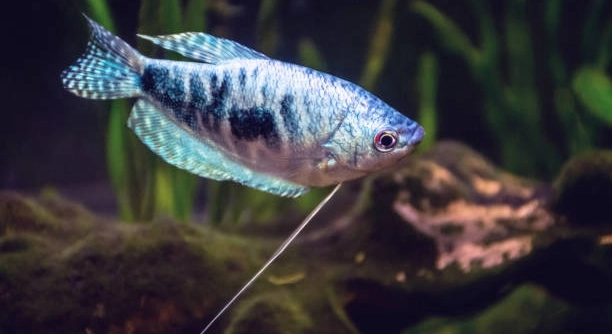
Are your gouramis suddenly acting skittish or hiding more than usual? Their behavior might be influenced by the sounds in your home environment, especially if you’re unaware of what can trigger stress in them.
Loud or sudden sounds, such as tapping on the tank, slamming doors, or nearby electronic devices, can cause significant stress in gouramis. These noises disrupt their sense of safety, leading to anxiety, erratic swimming, or refusal to eat.
Understanding how sound impacts gouramis will help you create a peaceful space for them to thrive and maintain better long-term health.
Tank Tapping and Knocking Sounds
Tapping or knocking on the tank may seem harmless, especially for kids or curious visitors. However, for gouramis, these vibrations are intense and disturbing. Since fish perceive sound through vibrations in the water, even light tapping can feel like a sudden jolt. Gouramis, being more sensitive and shy compared to other fish, are likely to react with quick darting, hiding, or stress-induced color fading. Continuous exposure to these sounds may weaken their immune system and lower their overall health. If tapping becomes a routine habit in your household, your gouramis may become chronically stressed, which often leads to poor eating habits and vulnerability to illness. It’s important to teach everyone in the home that tapping on the glass isn’t entertaining for the fish—it’s overwhelming. Creating a peaceful environment allows your gouramis to swim freely and behave naturally, which is essential for their mental and physical well-being.
Avoid all forms of direct contact with the glass surface. It’s one of the easiest habits to change and makes a big difference.
Try placing a small sign near the tank if people keep tapping. Simple reminders help others stay aware, especially in homes with children or frequent guests.
Loud Music or TV Volume
Gouramis react poorly to constant loud background noise, especially from televisions or speakers placed close to the tank.
If your tank is near a sound system or television, high volumes can be especially disruptive. These vibrations travel through the tank and mimic threats, making gouramis feel like their environment is unsafe. In response, they might retreat behind decorations, avoid the surface, or stop eating altogether. This behavior, if it continues, can become more than temporary. Loud sound patterns also affect their sleep cycles and can make them more reactive during feeding. Placing your tank away from high-traffic areas or turning down the volume when you’re watching TV helps keep the environment stable. Soft ambient sounds are usually fine, but unexpected bass or sharp audio peaks cause stress. It’s not about absolute silence—it’s about consistency and predictability. Keeping things calm around the tank shows results quickly. You’ll notice more relaxed swimming, regular feeding, and brighter colors.
Household Appliances and Vibrations
Washing machines, dryers, and even refrigerators create low-frequency vibrations that pass through floors and water. If your aquarium sits nearby, these vibrations can create a constant sense of disturbance for your gouramis, even if the noise itself seems minimal to you.
Appliances like washers or dishwashers create repeated patterns of vibration that may seem insignificant, but fish sense them constantly through their lateral line system. This overstimulation makes gouramis stay alert for longer periods, reducing rest and affecting their natural rhythms. You might see them swimming in jerky patterns or staying hidden more than usual. If the tank is near one of these machines, especially in small apartments, moving it just a few feet away or adding vibration-absorbing padding beneath the stand can improve things quickly. A calmer tank setup encourages stable behavior, and it reduces the chances of stress-related conditions.
Over time, exposure to frequent vibrations from appliances can lead to long-term stress. You might notice delayed feeding, reduced interaction with tank mates, or even slight weight loss. These signs are subtle at first, but they build gradually. Moving your tank away from vibration-heavy areas is one of the easiest ways to protect your gouramis’ health. It also improves their ability to rest and explore comfortably.
Sudden Human Activity Near the Tank
Fast movement near the tank startles gouramis, especially when combined with shadows or sharp footfalls. They interpret quick motion as danger, which leads to hiding or dashing into the tank walls in panic.
This type of stress is often overlooked because it doesn’t involve sound directly. But the effect is similar—when humans walk by quickly, wave arms, or clean nearby with fast movements, the fish react as if a predator is close. In homes with kids or busy routines, these repeated actions cause the fish to stay hidden or lose interest in food. Placing the tank in a quieter area, away from hallways or play zones, can help. If that’s not an option, you can use tank decorations to create hiding spots, helping the gouramis feel secure even when there’s motion nearby. Keeping activity slow and steady around the tank really helps improve their comfort.
Loud Phone Notifications and Ringtones
Phone sounds, especially high-pitched notifications or sudden ringtones, can startle gouramis. These quick noises break the calm of their environment and may cause them to dart or hide, even if the phone isn’t right next to the tank.
Keeping your phone on silent or vibrate helps reduce these reactions. If you tend to place your phone on the tank stand or a nearby surface, consider moving it elsewhere. The less unpredictable sound near the tank, the more secure your gouramis will feel in their space.
Construction and Outdoor Noise
Outdoor construction, lawnmowers, or even passing traffic can stress gouramis if the tank is placed near windows or walls that transfer external sound. While these noises may be occasional, their intensity and vibration levels often reach the tank, creating an unsettled atmosphere. If possible, reposition the tank to an inner wall.
Echoes in Empty Rooms
Rooms with hard surfaces and minimal furniture echo sound more easily. These echoes bounce around and amplify everyday noise. When your tank sits in such a space, the reverberations create an unpredictable environment for your gouramis, making it harder for them to feel at ease.
FAQ
Can gouramis hear sounds outside the tank?
Yes, gouramis can sense sounds and vibrations outside the tank. Their lateral line system picks up vibrations in the water caused by sound waves traveling through the tank walls. Loud noises, stomping, or knocking near the tank may not be as loud to you, but to a gourami, these disturbances are amplified. Even talking loudly near the aquarium can cause stress. They rely on consistent, calm environments to feel secure, so sudden or frequent external noises often lead to darting, hiding, or aggressive behavior toward tank mates.
What are signs that a gourami is stressed by noise?
You might notice your gourami hiding more than usual, refusing to eat, or pacing along the tank walls. Some show faded colors or clamp their fins tightly to their body. Erratic swimming or sudden dashes across the tank—especially after a loud noise—are clear signs that something startled them. If this behavior happens repeatedly, it’s likely related to environmental stress like sound. Observing these signs early allows you to adjust the surroundings before the stress becomes a chronic issue that affects health.
Is music harmful to gouramis?
Soft, consistent music at low volume is usually not harmful. However, loud bass-heavy music or unpredictable volume changes can upset gouramis. They are sensitive to the vibrations caused by speakers, especially if the tank sits close to the sound source. If you enjoy playing music, keep the volume low and avoid placing speakers directly on the tank stand or nearby surfaces. If the music is steady and not too loud, gouramis often adapt over time without showing signs of stress.
Do sudden noises impact feeding behavior?
Yes, sudden noises can cause your gouramis to stop eating or ignore food altogether. If they feel unsafe or threatened, they will stay hidden rather than come out to eat. This is especially common when feeding time overlaps with household noise, such as loud conversations, vacuuming, or door slams. For best results, feed them during a quiet time of day and keep the environment as calm as possible to help them feel secure while eating.
Should I move my gourami tank away from windows?
If your windows face a busy street or there’s regular noise outside, it’s a good idea to move the tank. Passing cars, barking dogs, and outdoor construction all create sound vibrations that travel through the glass. These external noises often create a stressful environment, especially if they happen daily. A more peaceful spot inside your home—away from windows, appliances, and doorways—offers your gouramis the calm space they need to thrive.
Is tapping on the glass really that bad?
Yes, tapping on the glass is stressful for gouramis. It creates sharp vibrations that travel directly through the water, startling the fish. Even a single tap can cause panic. Repeated tapping may lead to long-term stress and make the fish associate human presence with discomfort. It’s best to gently observe them without touching the glass.
How can I reduce sound in a small apartment?
Start by placing the tank on a sturdy, vibration-dampening stand. Avoid high-traffic areas like hallways or spaces near the kitchen. Use rugs or fabric wall hangings to help absorb sound. Keep electronic devices with speakers or alerts away from the tank. Adding more plants and decorations to the tank can also create hiding spots that give your gouramis a sense of control.
Do gouramis eventually get used to noise?
Gouramis may adjust to consistent, low-level background noise, such as the hum of a nearby fan or distant conversation. However, they are unlikely to adapt to sudden or irregular noise like door slams or loud television volume changes. These sounds continue to trigger stress responses, even if they happen regularly. Creating predictable, gentle sound levels in their environment is the most effective way to support their well-being.
Can stress from noise lead to illness?
Chronic stress lowers a gourami’s immune response, making them more prone to infections, parasites, and poor appetite. Over time, this can lead to physical decline, including weight loss and color fading. Reducing stressors like noise helps maintain both mental and physical health in your fish. A stable, quiet environment goes a long way in supporting their long-term wellness.
Final Thoughts
Gouramis are peaceful fish that do best in quiet, stable environments. While they may seem calm on the surface, they are very sensitive to sound. Vibrations from noise can pass through the tank and disrupt their sense of safety. Things like loud music, tapping on the glass, or nearby appliances can all lead to stress. Over time, even small disturbances may add up, affecting their behavior and overall health. Keeping noise to a minimum is one of the simplest ways to help your gouramis feel secure and stay healthy.
Understanding the types of sounds that cause stress is important for any fish keeper. Sudden loud noises can startle gouramis, causing them to dart around, hide, or avoid eating. These signs may be subtle at first but can become more serious if the stress continues. Creating a calm space for your tank, placing it away from busy areas, and limiting sharp or loud sounds can help reduce stress. Something as small as using soft music or avoiding foot traffic near the tank makes a difference. These quiet choices can lead to a more relaxed environment that lets your gouramis thrive.
Caring for gouramis involves more than just feeding them or cleaning the tank. Their emotional comfort matters too. Sound is an invisible part of their world that often goes unnoticed by people, but it plays a major role in their daily experience. When you take time to notice what might be causing stress, you can make small changes that have a big impact. A peaceful space helps gouramis build trust, show natural behaviors, and live longer, healthier lives. By being mindful of noise, you support their comfort in a simple and caring way.

Hello,
If you enjoy the content that we create, please consider saying a "Thank You!" by leaving a tip.
Every little bit helps us continue crafting quality advice that supports the health, happiness, and well-being of pets around the world, for pets of all shapes, sizes, and species.
We really appreciate the kindness and support that you show us!