
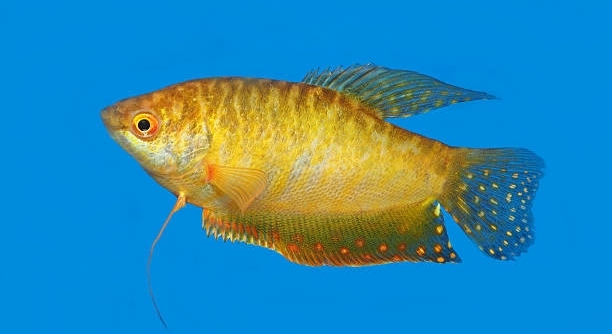
Gouramis are popular freshwater fish known for their vibrant colors and peaceful nature. Observing their feeding behaviors provides important clues about their overall health and well-being. Recognizing these signs helps ensure a thriving aquarium environment.
Monitoring feeding behaviors such as appetite, response time, and food preference offers a reliable method to assess gourami health. Consistent feeding patterns typically indicate good health, while irregularities can signal stress, illness, or environmental issues requiring attention.
Identifying these behaviors early can prevent serious health problems and improve the quality of care for your gourami. This article outlines seven key feeding behaviors to watch for.
Appetite Changes
A noticeable change in your gourami’s appetite is often one of the first signs of health issues. If your fish suddenly stops eating or shows little interest in food, it may be experiencing stress or illness. On the other hand, a sudden increase in appetite can also indicate underlying problems, such as parasites or infections. It is important to observe how much and how often your gourami eats over several days rather than judging based on a single feeding. Regular feeding schedules help maintain consistent behavior, making deviations easier to spot. If you notice significant changes, check water quality and temperature, as poor conditions can reduce appetite. Adjusting these factors often improves feeding behavior. In some cases, health problems may require treatment, so monitoring appetite changes closely is essential for timely intervention.
Loss of appetite usually signals an immediate health concern needing quick attention.
Tracking appetite helps catch early signs of disease and maintain your gourami’s overall health.
Response to Food
The speed and enthusiasm with which your gourami responds to food reveal much about its condition. Healthy gouramis typically react quickly when food is introduced, swimming actively towards it. If your fish is sluggish or slow to approach, it could be fatigued or unwell. Sometimes, a lack of response is related to water quality or inappropriate tank conditions, which can stress the fish. Consistent observations over time are necessary, since occasional delays may not be serious. Ensuring the food is suitable for gouramis and not expired also affects their interest. If you notice persistent sluggishness, testing the water and inspecting the fish for other symptoms like discoloration or abnormal swimming patterns is recommended. Proper tank maintenance and timely treatment can restore normal feeding responses and help prevent worsening health issues.
Food Preference Shifts
Gouramis usually prefer a consistent diet. Sudden changes in food preference can indicate health problems or stress.
If your gourami starts rejecting its usual food or becomes selective, it may be unwell. Stressful conditions, poor water quality, or internal illness often cause these shifts. Sometimes, parasites or digestive issues reduce appetite for specific foods. It’s important to maintain a balanced diet and monitor for other symptoms.
Changes in preference may also result from feeding spoiled or unsuitable food. Always provide fresh, appropriate food. Gradually introduce new food types to avoid stress. Consistent observation helps identify if this is a temporary change or a sign of illness needing attention.
Feeding Frequency
Gouramis typically feed several times a day in small amounts. Changes in feeding frequency can reflect their health status.
A sudden increase or decrease in how often your gourami eats often points to health issues. Increased feeding might suggest stress or disease, causing hyperactivity or nervousness. Reduced feeding frequency could indicate illness or environmental problems. Inconsistent feeding schedules also disrupt their natural behavior, affecting overall health. Monitoring feeding frequency helps spot subtle health changes early, allowing for timely care adjustments. Proper feeding routines contribute to maintaining a stable and healthy aquarium environment for your gourami.
Food Spitting or Rejecting
Spitting out food can indicate digestive issues or dissatisfaction with the food type. It may also signal stress or illness affecting your gourami’s ability to eat properly.
Consistent food rejection should not be ignored. It can lead to malnutrition and further health problems. Observing this behavior helps identify possible causes and guide necessary changes in diet or environment.
Changes in Eating Speed
A sudden slow or rapid eating pace may signal health concerns. Slow eating often means low energy or discomfort. Rapid eating can suggest stress or competition in the tank.
Food Hoarding Behavior
Some gouramis hold food in their mouths without swallowing immediately. This behavior can indicate feeding stress or attempts to hide food from tank mates. Prolonged hoarding may reduce nutrient intake.
Uneaten Food Accumulation
Excess leftover food may reflect poor appetite or feeding routine problems. This can degrade water quality, stressing gouramis and affecting their health.
What does it mean if my gourami suddenly stops eating?
A sudden loss of appetite usually indicates stress, illness, or poor water conditions. It can also be caused by changes in temperature or tank setup. Monitor water parameters closely and check for visible signs of disease. Addressing the environment and offering high-quality food often helps restore appetite.
How can I tell if my gourami is stressed by feeding behavior?
Signs of stress include sluggish movement toward food, spitting out food, or hoarding it in the mouth. Stress can result from overcrowding, poor water quality, or incompatible tank mates. Improving tank conditions and reducing stressors supports healthier feeding habits.
Is it normal for gouramis to be picky eaters?
Gouramis may show food preferences, but sudden or extreme pickiness can indicate health problems. If your fish consistently rejects certain foods, try offering a variety of high-quality options to encourage eating. Persistent refusal might need professional advice.
Why does my gourami eat very quickly or very slowly?
Eating speed changes often reflect health or environmental factors. Rapid eating may be caused by stress or competition, while slow eating can signal illness or low energy. Consistent feeding times and minimizing tank competition help maintain normal eating speeds.
What should I do if my gourami spits out food frequently?
Spitting out food can indicate digestive discomfort or that the food is unsuitable. Check the type and quality of food, and avoid overfeeding. If the behavior continues, examine water quality and watch for other illness signs.
Can feeding behavior predict disease in gouramis?
Feeding behavior changes often precede visible illness signs. Decreased appetite, refusal to eat, or erratic feeding patterns may signal internal infections, parasites, or organ problems. Early observation of feeding habits allows timely intervention.
How often should I feed my gourami?
Feed your gourami small amounts two to three times daily. Overfeeding can lead to water quality issues and health problems. Regular feeding schedules support consistent behavior and reduce stress.
What types of food are best for gouramis?
Gouramis thrive on a varied diet including flakes, pellets, frozen, and live foods like brine shrimp or bloodworms. A balanced diet supports health, coloration, and natural behavior.
Is leftover food harmful to gouramis?
Leftover food decomposes quickly and degrades water quality, stressing your fish. Remove uneaten food promptly to maintain a clean environment and support good health.
How can I encourage a picky gourami to eat?
Offer a variety of foods and try warming frozen or live food to tank temperature to improve appeal. Reduce tank stress and maintain optimal water conditions to encourage feeding.
Can feeding behavior help monitor aquarium health?
Yes, changes in feeding behavior often reflect environmental conditions. Poor water quality or incorrect temperature may cause reduced appetite or erratic eating, signaling the need for tank maintenance.
What signs in feeding behavior indicate the need for a vet visit?
Persistent loss of appetite, spitting food, extreme changes in eating speed, or unusual behavior like hiding food suggest underlying illness. Veterinary consultation is recommended for diagnosis and treatment.
Observing your gourami’s feeding behavior is one of the most effective ways to monitor its health. Changes in appetite, eating speed, or food preference can provide early clues about potential problems. These behaviors are often the first signs that something is not right, whether it is stress, illness, or poor water quality. Paying close attention to how your gourami eats allows you to respond promptly and make necessary adjustments to their care. Consistency in feeding times and food types helps maintain stable behavior, making any deviations easier to notice.
Maintaining a clean and stable tank environment supports healthy feeding habits in gouramis. Water quality, temperature, and tank mates all influence how your fish behaves during feeding. Uneaten food and poor filtration can quickly deteriorate water conditions, which in turn impacts appetite and overall health. Regular water testing and cleaning are essential to prevent these issues. Providing a balanced diet with appropriate food types also promotes good nutrition and encourages natural feeding behaviors. When your gourami is healthy, feeding should be a smooth and predictable process.
Taking the time to understand your gourami’s feeding habits benefits both the fish and the aquarium environment. Small changes in behavior can reveal underlying issues before they become severe. Acting on these signs promptly can prevent illness and improve the quality of life for your gourami. Monitoring feeding behavior regularly should be part of any responsible fishkeeping routine. This careful observation, combined with proper tank maintenance and nutrition, ensures your gourami remains healthy and vibrant over time.

Hello,
If you enjoy the content that we create, please consider saying a "Thank You!" by leaving a tip.
Every little bit helps us continue crafting quality advice that supports the health, happiness, and well-being of pets around the world, for pets of all shapes, sizes, and species.
We really appreciate the kindness and support that you show us!