
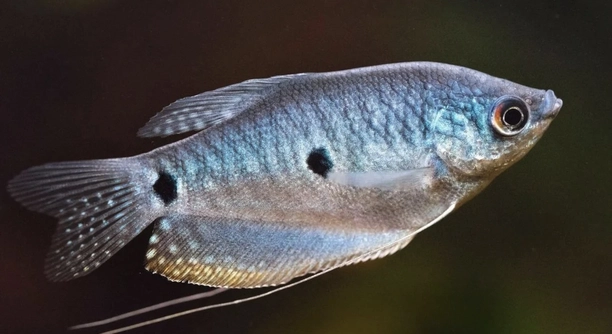
Moving gouramis between tanks requires care and attention to avoid stress and health issues. Many hobbyists face challenges that could be prevented with proper handling techniques. This article highlights common mistakes to watch out for during the process.
Mistakes such as sudden changes in water parameters, improper acclimation, and rough handling are frequent causes of stress and injury when transferring gouramis. Ensuring gradual adaptation and gentle movement reduces risks and supports the fish’s well-being throughout the transition.
Avoiding these errors can improve your gourami’s health and ease the moving process. Knowing what to do and what to avoid will make tank transfers smoother and safer for your fish.
Sudden Changes in Water Parameters
Gouramis are sensitive to differences in water conditions such as temperature, pH, and hardness. When moved abruptly between tanks, these changes can shock the fish, leading to stress or illness. It is important to match the water parameters between the two tanks as closely as possible before transferring. Testing both tanks beforehand helps identify differences. Using water from the original tank during acclimation can also ease the transition. Gradual adjustment over time allows the gourami to adapt comfortably. Avoid rushing the transfer, as sudden environmental changes increase the risk of disease and weaken the fish’s immune system. Taking time to prepare the new tank environment is essential for the health of your gourami.
Sudden changes in water conditions cause stress that can weaken your gourami’s immune system, making it prone to disease and shock.
Proper preparation of tank conditions and gradual acclimation protect your gourami from harmful stress during transfer.
Improper Acclimation Process
Skipping or rushing acclimation puts gouramis at risk of shock and physical harm. Proper acclimation involves slowly adjusting the fish to the new tank’s water by gradually mixing tank water with the new environment’s water over a period of at least 30 minutes. This process helps equalize temperature and chemistry, reducing stress. Many move their gouramis immediately after catching them from the transport container, but this sudden exposure can cause disorientation and panic. Using a drip system or floating the bag in the new tank allows gradual change. It’s important to monitor the fish’s behavior throughout acclimation to ensure it is adjusting well. Taking time to acclimate correctly promotes a healthier transition and reduces the chances of illness or death. Small steps here pay off with stronger, more resilient fish.
Rough Handling During Transfer
Handling gouramis roughly can cause physical injuries and increase stress levels. Always use gentle movements and avoid squeezing or dropping the fish during transfer.
Using a soft, fine mesh net helps prevent damage to the gourami’s delicate fins and scales. Avoid grabbing the fish directly with your hands, as this can remove their protective slime coat. Moving slowly and calmly reduces panic. Stress weakens the fish’s immune system, making it vulnerable to infections. Taking extra care during handling minimizes harm and supports a smoother adjustment to the new tank environment.
In some cases, rushing the transfer or using inappropriate equipment leads to injuries like torn fins or bruising. These wounds can easily become infected if not treated promptly. Observing the fish closely after moving allows early detection of any issues. If injuries occur, isolate the fish in a quarantine tank and provide suitable treatment. Prevention through careful handling remains the best approach for maintaining gourami health.
Inadequate Tank Preparation
Not preparing the new tank properly is a common mistake. Clean filters, stable water parameters, and hiding places are essential before introducing gouramis.
A tank that is not cycled or lacks proper filtration exposes gouramis to toxins like ammonia and nitrites, which cause stress and illness. Ensuring the new tank has established biological filtration helps maintain water quality. Additionally, gouramis need plants or decorations to hide and feel secure. This reduces stress and aggression. Checking water temperature, pH, and hardness ensures the environment matches their needs. Taking these steps before transfer provides a safe and stable habitat that supports the gouramis’ well-being.
Overcrowding the New Tank
Overcrowding increases stress and aggression among gouramis. Avoid adding too many fish at once to the new tank.
Give your gouramis enough space to establish territory. Overcrowding can lead to fights and poor water quality, harming their health.
Not Monitoring After Transfer
Monitoring gouramis closely after moving is vital. Look for signs of stress or illness such as rapid breathing or hiding. Early detection helps prevent serious problems and allows timely intervention.
Ignoring Water Temperature Differences
Temperature changes should be gradual. Sudden shifts can shock gouramis and weaken their immune response. Always match temperatures before transfer.
FAQ
How long should I acclimate my gourami before fully transferring it to the new tank?
Acclimation should last at least 30 minutes to one hour. Gradually mix water from the new tank into the container holding the gourami. This slow adjustment helps equalize temperature, pH, and other water parameters. Rushing this process can cause stress or shock, so patience is important.
Can I transfer gouramis directly from one tank to another without a container?
It is not recommended. Using a container or bag to move the fish allows you to control the environment during transfer. Directly moving fish by net between tanks risks injury and exposes them to sudden changes in water conditions.
What is the best way to handle gouramis during transfer?
Use a soft, fine mesh net or a small container. Avoid grabbing the fish with your hands to protect their slime coat. Move slowly and calmly to reduce panic. Gentle handling lowers the risk of physical injuries and stress.
How do I prepare the new tank before moving gouramis?
Make sure the tank is fully cycled with stable water parameters and clean filtration. Check temperature, pH, and hardness to match the original tank. Provide hiding spots using plants or decorations to help gouramis feel secure in the new environment.
What signs of stress should I look for after moving gouramis?
Watch for rapid gill movement, loss of appetite, hiding excessively, or unusual swimming patterns. These behaviors may indicate stress or illness. Early observation helps you intervene quickly to protect their health.
Is it safe to move multiple gouramis at once?
Moving several gouramis together can increase stress, especially in a small container. If moving multiple fish, use a large enough container and acclimate them carefully to avoid overcrowding and reduce fighting.
How important is water temperature during transfer?
Water temperature must be consistent between tanks. Sudden temperature differences cause shock and weaken immune response. Always measure and match temperatures before transfer to ensure a smooth change.
Can I add new gouramis directly into an established tank with other fish?
New gouramis may face aggression if introduced too quickly. Quarantine new fish and acclimate them before slowly introducing them to the community tank. This helps reduce stress and prevent disease transmission.
What should I do if my gourami shows signs of illness after moving?
Isolate the affected fish in a quarantine tank. Test water quality and maintain cleanliness. Depending on symptoms, consider appropriate treatment like medication or improved diet. Early action improves recovery chances.
How often should I check water parameters after transferring gouramis?
Check water parameters daily for at least one week after transfer. This helps catch fluctuations that could stress the fish. Regular monitoring supports timely adjustments to maintain a healthy environment.
Moving gouramis between tanks requires careful attention to several important details. Each step, from preparing the new tank to handling the fish gently, affects the overall health and well-being of the gouramis. Avoiding common mistakes such as sudden changes in water parameters, rough handling, and improper acclimation can reduce stress and the risk of illness. Taking time to prepare the environment and carefully transfer the fish helps ensure a smoother transition for these sensitive creatures. The process may seem simple, but the details make a significant difference in the outcome.
It is essential to match water conditions like temperature, pH, and hardness between the original and new tanks before moving gouramis. Sudden shifts in these parameters often cause shock and weaken the fish’s immune system. Proper acclimation, which involves slowly adjusting the fish to new water conditions over a period of time, is another critical step. Using appropriate equipment, such as soft nets and containers, helps prevent physical injuries that can occur during transfer. Additionally, preparing the new tank with stable filtration and hiding spots creates a safe and comfortable space that supports the gouramis’ recovery and adaptation.
Monitoring gouramis closely after the transfer allows for early detection of any signs of stress or illness. Behavior such as excessive hiding, rapid breathing, or lack of appetite may indicate problems that require immediate attention. Regularly checking water parameters also helps maintain a healthy environment during this vulnerable period. While moving gouramis can be challenging, following these basic guidelines helps protect their health and increases the chances of a successful tank transfer. Consistency and patience are key to ensuring the well-being of your gouramis during and after the move.

Hello,
If you enjoy the content that we create, please consider saying a "Thank You!" by leaving a tip.
Every little bit helps us continue crafting quality advice that supports the health, happiness, and well-being of pets around the world, for pets of all shapes, sizes, and species.
We really appreciate the kindness and support that you show us!