
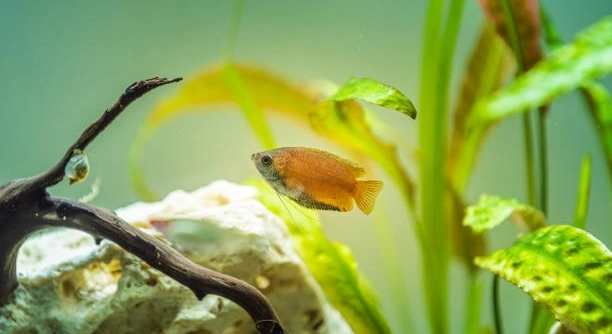
Gouramis are popular freshwater fish often kept in home aquariums. They are known for their peaceful nature and unique appearance. Many aquarists want to know if gouramis can handle strong water currents in their tanks.
Gouramis generally prefer slow to moderate water flow and do not adapt well to fast currents. Their body structure and swimming style make it difficult to navigate strong water movement, which can cause stress and impact their health negatively.
Understanding how water flow affects gouramis helps create a suitable environment for their well-being. This information is important for anyone aiming to maintain a healthy and balanced aquarium.
How Gouramis Respond to Current
Gouramis are built for calmer waters. Their rounded bodies and long, flowing fins make them slow swimmers compared to fish designed for strong currents. When placed in a fast-flowing tank, gouramis often struggle to maintain their position. This causes unnecessary stress, which can weaken their immune system and make them more vulnerable to diseases. Additionally, fast currents interfere with their breathing because gouramis rely on a specialized labyrinth organ to breathe air. Strong water flow can disturb this process, leading to discomfort. In nature, gouramis typically live in slow-moving rivers, ponds, and flooded fields, where water movement is gentle. To keep them healthy in an aquarium, replicating these calm conditions is important. Providing places to hide, such as plants and decorations, helps gouramis feel secure. Tank setups with minimal water disturbance will better suit their needs and support their natural behavior.
Fast currents often cause gouramis to tire quickly and reduce their overall activity.
Careful tank design is crucial to ensure gouramis remain comfortable. Avoid strong filtration outputs and aim for gentle water circulation. This will help mimic their natural habitat and promote their well-being.
Adjusting Tank Conditions for Gouramis
Adjusting the water flow in a tank can be done by controlling filter output and adding flow-reducing decorations.
Using equipment like sponge filters or adjustable filters helps reduce strong water currents. Strategically placed plants, rocks, and driftwood break up the flow, creating calmer zones. These calmer areas allow gouramis to rest and swim without constant effort. Slow water movement also prevents waste buildup and maintains better water quality. Keep in mind that sudden changes in water conditions can stress gouramis, so adjustments should be made gradually. Monitoring the fish’s behavior after changes will show if the environment suits them. If gouramis seem lethargic or try to hide excessively, the current may still be too strong. Maintaining stable water parameters like temperature and pH is also essential alongside flow control. These combined factors create a balanced environment that supports gourami health and natural habits.
Feeding Gouramis in Flowing Water
Feeding gouramis in tanks with water movement requires careful observation. Fast currents can scatter food, making it hard for gouramis to find it.
In tanks with moderate flow, floating pellets or flakes are often best. These stay on the surface where gouramis usually feed. Slow-moving currents allow food to stay in one place longer, helping gouramis eat without chasing. If the current is stronger, sinking food can get swept away, leading to waste and poor nutrition. Adjust feeding techniques by using feeding rings or placing food near calmer spots in the tank. This reduces food loss and helps gouramis get enough nutrition without stress.
In some setups, target feeding with a syringe or turkey baster can ensure food reaches gouramis directly. This method works well for shy or weaker fish that struggle in flowing water. Keeping an eye on their eating habits will help adjust the feeding approach to their needs.
Signs Gouramis Are Struggling with Current
Gouramis showing stress from strong currents may become less active and hide more than usual.
They might also display rapid gill movement or difficulty swimming, which signals breathing or fatigue issues. Loss of appetite and faded colors are common signs of discomfort. If these symptoms appear, it indicates the tank environment needs adjusting. Immediate action can prevent further health decline and promote recovery.
Addressing water flow and providing plenty of hiding spots will support gouramis’ comfort. Observing their behavior regularly helps detect problems early. Adjust the current slowly and monitor changes to ensure a healthier habitat. Consistency in water parameters paired with proper flow creates a stable environment for gouramis to thrive.
Ideal Tank Setup for Gouramis
A tank with slow, steady water movement suits gouramis best. Avoid strong filters that create fast currents.
Plants, caves, and driftwood provide shelter and help break up water flow. These features make the environment more comfortable and natural for gouramis.
Choosing the Right Filter
Filters with adjustable flow rates are ideal for gouramis. Sponge filters or canister filters with output control work well. They provide sufficient filtration without overwhelming water movement.
Using spray bars or diffusers helps distribute water gently. This prevents strong currents and creates calmer zones where gouramis can rest.
Monitoring Water Parameters
Consistent temperature, pH, and cleanliness matter as much as flow. Stable conditions support gouramis’ overall health.
Regular water changes and testing prevent stress and illness linked to poor water quality.
FAQ
Can gouramis survive in a fast current?
Gouramis generally do not thrive in fast currents. Their bodies are designed for calm or slow-moving waters. Strong currents cause stress and exhaustion, making it difficult for them to swim properly. Over time, this stress can lead to health issues and even shorten their lifespan.
What is the best water flow rate for gouramis?
A gentle to moderate water flow is best for gouramis. The flow should be slow enough that the fish can swim comfortably without constant effort. A flow rate that mimics their natural habitats, such as calm ponds or slow rivers, helps maintain their health and behavior.
How can I reduce water current in my aquarium?
To reduce current, adjust your filter’s output or switch to a sponge filter, which produces less flow. Adding plants, rocks, and driftwood breaks up water movement and creates calm zones. Using spray bars or diffusers also spreads water gently, lowering the overall current strength.
Will gouramis get stressed if the current is too strong?
Yes, strong currents can cause stress in gouramis. Signs of stress include hiding excessively, rapid gill movement, difficulty swimming, and loss of appetite. Stress weakens their immune system, increasing the risk of disease and reducing their overall lifespan.
Can gouramis adapt to different flow conditions over time?
Gouramis are not well-equipped to adapt to fast currents. While they may manage moderate changes, consistently strong flow remains stressful. It’s best to keep water conditions stable and close to their natural slow-moving environments. Sudden changes in flow should be avoided to prevent stress.
How does water flow affect gouramis’ breathing?
Gouramis use a labyrinth organ to breathe air from the surface. Fast currents can disturb this process by making it harder for them to reach the surface calmly. This can cause breathing difficulties and increase their stress levels. Maintaining slow flow supports normal breathing behavior.
Is it okay to keep gouramis with fish that prefer strong currents?
It can be challenging to keep gouramis with fast-swimming fish that prefer strong currents. Different flow preferences may cause stress or aggression. When mixing species, aim for a moderate flow and plenty of hiding spots to help gouramis avoid conflict and stay comfortable.
What feeding tips help gouramis in tanks with some current?
Use floating foods like flakes or pellets that stay on the surface longer. Place food near calmer tank areas or use feeding rings to concentrate food. For shy or weak gouramis, target feeding with a turkey baster or syringe can ensure they get enough nutrition despite some current.
How often should water flow be checked or adjusted?
Water flow should be checked regularly, especially after changing equipment or decorations. Observing fish behavior helps determine if flow adjustments are needed. Gradual changes prevent stress, and frequent monitoring ensures a stable environment that matches gouramis’ needs.
What other factors besides current affect gouramis’ comfort?
Stable water temperature, clean water, and proper tank size all impact gouramis’ well-being. Providing plants and hiding places reduces stress. Together with appropriate flow, these factors create a healthy environment where gouramis can thrive naturally.
Final Thoughts
Gouramis are peaceful fish best suited to calm or slow-moving water environments. Their natural habitats rarely feature strong currents, so it is important to replicate these conditions in an aquarium setting. Fast water flow causes stress and fatigue because gouramis are not built for constant swimming against strong currents. Over time, this stress can negatively affect their health and behavior. Therefore, careful attention to water flow is essential for keeping gouramis comfortable and healthy in captivity.
Creating a tank environment that matches the gouramis’ natural preferences involves more than just adjusting water current. It also means providing plenty of plants, decorations, and hiding spots where they can rest and feel secure. These elements break up water movement and offer calm areas where gouramis can swim with ease. Using filters with adjustable flow rates or gentler types like sponge filters helps maintain a balanced water movement that supports their needs. Regular monitoring of fish behavior will reveal if the current is too strong or just right.
Overall, maintaining slow to moderate water flow along with stable water parameters is key to supporting gouramis’ well-being. Feeding methods and tank setup should be adapted to minimize stress caused by water movement. With proper care, gouramis can thrive in aquariums, displaying natural behaviors and vibrant colors. Paying close attention to their environment ensures long-term health and enjoyment for both the fish and the keeper.

Hello,
If you enjoy the content that we create, please consider saying a "Thank You!" by leaving a tip.
Every little bit helps us continue crafting quality advice that supports the health, happiness, and well-being of pets around the world, for pets of all shapes, sizes, and species.
We really appreciate the kindness and support that you show us!