
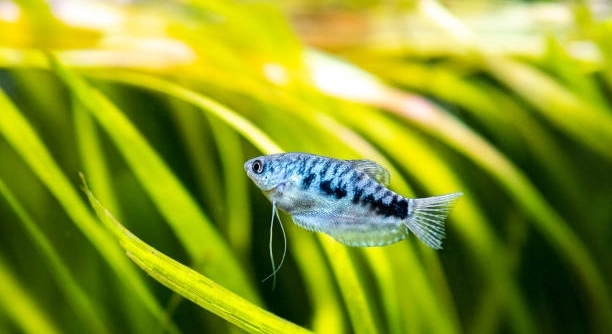
Gouramis are popular aquarium fish known for their vibrant colors and graceful fins. Maintaining their fin health is important for their overall well-being. Proper nutrition plays a key role in keeping their fins strong and intact.
Certain foods provide essential nutrients that support gourami fin regeneration and prevent damage. A diet rich in vitamins, proteins, and fatty acids promotes faster healing and strengthens fin tissues, reducing the risk of fin rot and other common issues.
Choosing the right foods can make a significant difference in your gourami’s fin health and longevity. This article highlights seven beneficial foods to help maintain and improve their delicate fins.
Importance of Protein for Fin Growth
Protein is essential for the repair and growth of gourami fins. It provides the building blocks necessary for cell regeneration and strengthens the fin structure. Without enough protein, fins can become weak and prone to tearing or infections. High-quality protein sources help maintain vibrant and healthy fins by supporting tissue repair after injury or stress. Feeding your gourami protein-rich foods regularly supports their natural healing processes. Fish flakes and pellets formulated with fish meal or shrimp meal are excellent options. Supplementing their diet with live or frozen protein sources like brine shrimp or bloodworms can also enhance fin condition. Ensuring a balanced intake of protein contributes to overall fish health, reducing the risk of fin damage and promoting faster recovery when issues arise. A consistent supply of protein is a key factor in preserving the beauty and function of gourami fins.
Protein supports essential tissue repair and fin growth, strengthening fins and helping prevent damage. It should be a core part of the diet.
A steady intake of protein promotes the regeneration of damaged fin tissue. Live or frozen protein foods like brine shrimp provide extra benefits beyond flakes or pellets. Including diverse protein sources keeps fins strong and vibrant over time. Avoid overfeeding protein, which can pollute the tank water and cause stress. Balanced feeding with appropriate protein levels ensures optimal health and fin durability.
Vitamins and Their Role in Fin Health
Vitamins play a crucial role in maintaining gourami fin health. They help boost the immune system and promote cellular repair. Vitamins A, C, and E are particularly important for fin regeneration and protection.
Vitamin-rich foods improve the resilience of gourami fins against common diseases. Fresh vegetables like peas or spinach can be fed in small amounts. Some flakes and pellets are fortified with essential vitamins to support immune function. Offering a varied diet ensures your gourami receives adequate vitamins for maintaining strong, healthy fins. A deficiency in these vitamins can lead to slow healing and increased fin damage. Prioritizing vitamin intake helps gouramis stay active and recover from fin injuries more effectively. Consistent vitamin support is necessary for preventing fin rot and other issues related to weak fin tissues.
Omega-3 Fatty Acids
Omega-3 fatty acids are vital for reducing inflammation and promoting cell health in gourami fins. They help maintain fin flexibility and prevent damage caused by stress or infections.
Including omega-3 rich foods in your gourami’s diet supports healthier, more resilient fins. These fatty acids strengthen the fin membranes, making them less likely to tear. Sources such as krill, spirulina, and certain fish oils can be added to their diet. Regular intake of omega-3 improves the fish’s overall immune system, helping prevent fin rot and other infections. This makes omega-3 an essential nutrient for long-term fin health.
Balancing omega-3 with other nutrients is important. Too much fat may negatively affect water quality. Moderation ensures your gourami benefits without side effects. Supplementing flakes or pellets with occasional live or frozen omega-3 rich foods keeps their fins strong and vibrant.
Calcium and Mineral Balance
Calcium supports tissue regeneration and fin strength in gouramis. It plays a key role in maintaining fin structure and reducing brittleness. Minerals like magnesium and potassium also contribute to cellular functions important for fin health.
Proper mineral balance helps gouramis repair damaged fins quickly and maintain overall vitality. Calcium-rich foods such as crushed eggshells (properly prepared) or certain algae-based flakes provide these minerals. In addition, minerals support metabolic processes critical for healing. Without adequate mineral intake, fins become more vulnerable to breakage and slow to heal. Maintaining good water quality with balanced mineral levels also enhances nutrient absorption. This combination supports healthy fin growth and reduces the risk of deterioration. Minerals form a foundation for strong, resilient fins that can recover from daily wear or minor injuries.
Fiber Content
Fiber helps improve digestion in gouramis, which supports overall health. Good digestion ensures nutrients from food are absorbed efficiently, aiding fin repair and growth.
Feeding fiber-rich foods like finely chopped vegetables or algae supports a healthy digestive system. This promotes better nutrient uptake, directly benefiting fin health and strength over time.
Antioxidants in Diet
Antioxidants protect gourami fins from damage caused by harmful free radicals. They support cell repair and improve immune response, reducing the risk of fin diseases.
Including antioxidant-rich foods such as spirulina, peas, or spinach enhances your gourami’s ability to recover from fin injuries. These nutrients help maintain fin color and vitality by neutralizing oxidative stress.
Hydration from Fresh Foods
Fresh foods provide moisture that helps maintain skin and fin hydration in gouramis. Well-hydrated fins are less prone to tearing or infection.
Moisture-rich ingredients improve the fish’s natural barrier against pathogens, supporting long-lasting fin health.
FAQ
What are the best foods to promote gourami fin health?
Foods rich in protein, vitamins, omega-3 fatty acids, and minerals are best for gourami fin health. High-quality fish flakes or pellets with added nutrients, live or frozen brine shrimp, bloodworms, and spirulina provide balanced nutrition. Fresh vegetables like peas or spinach also add essential vitamins and fiber. Including these regularly helps maintain strong, vibrant fins and supports healing from damage.
How often should I feed these foods to my gourami?
Feeding your gourami a varied diet daily or every other day is ideal. Protein-rich foods can be offered several times per week, while vegetables and vitamin-rich flakes can be included more regularly. Avoid overfeeding to prevent water pollution, which can harm fin health. Moderation combined with variety supports consistent nutrition and fin maintenance.
Can poor water quality affect my gourami’s fins?
Yes, poor water quality is a major factor in fin damage. High levels of ammonia, nitrites, or nitrates weaken fins and increase the risk of infections such as fin rot. Regular water changes and proper filtration are essential to maintain an environment that supports healthy fin growth and overall fish well-being.
Is fin rot caused by a poor diet?
Fin rot is primarily caused by bacterial infection but can be worsened by poor nutrition. A diet lacking essential nutrients weakens the immune system, making gouramis more susceptible to infections. Providing balanced nutrition rich in vitamins and proteins improves the fish’s ability to fight off and recover from fin rot.
Can supplements improve my gourami’s fin health?
Supplements can help if your gourami’s diet is lacking. Vitamin-enriched flakes or liquid supplements containing vitamins A, C, and E support fin regeneration. Omega-3 fatty acid supplements may also reduce inflammation and promote fin strength. Always follow dosing instructions carefully to avoid overdosing and water contamination.
Are live foods better for fin health than flakes?
Live foods often contain higher levels of nutrients beneficial for fin health, such as protein and omega-3 fatty acids. They can stimulate natural feeding behavior and improve overall vitality. However, high-quality flakes fortified with vitamins and minerals are convenient and effective. A combination of both provides balanced nutrition.
What signs indicate my gourami’s fins need better nutrition?
Signs include frayed or torn fins, discoloration, slow healing after injury, and fin rot symptoms like black edges or melting tissue. Lethargy and reduced appetite may also signal poor nutrition. Addressing diet quality quickly can prevent further damage and support fin recovery.
Can changing diet reverse fin damage?
Improving diet can help fins regenerate if damage is not too severe. Essential nutrients support cell repair and strengthen fin tissue. However, severely damaged fins may require additional care, such as improving water quality and treating infections. Consistent, nutrient-rich feeding is critical for recovery.
Is it safe to feed my gourami human vegetables?
Some vegetables like peas and spinach can be safely offered in small amounts if properly prepared. They provide fiber and vitamins beneficial for digestion and fin health. Avoid seasoning or cooking with additives. Introduce new foods gradually to monitor how your gourami reacts.
How long does it take for fins to heal with proper diet?
Healing time varies depending on the extent of damage and overall fish health. Minor tears may improve within 1 to 2 weeks with good nutrition and care. More severe fin rot or injuries can take several weeks to months. Patience and consistency in feeding and tank maintenance are essential.
Can stress affect fin health?
Stress weakens the immune system and makes fins more vulnerable to injury and infection. Overcrowding, aggressive tank mates, sudden water changes, or poor water quality can cause stress. Reducing stress by maintaining stable conditions and proper diet supports fin health and faster recovery.
What is the role of vitamins in fin health?
Vitamins A, C, and E aid in tissue repair, immune function, and reducing oxidative stress. They help maintain fin color and prevent damage caused by environmental factors. A vitamin-rich diet accelerates healing and strengthens fins against future injuries or infections.
Should I quarantine new gouramis to protect fin health?
Quarantining new fish prevents introducing diseases that can damage fins. It allows observation for fin rot or parasites and ensures proper acclimation to tank conditions. Quarantine tanks should have clean water and good nutrition to maintain fin health before mixing with other fish.
Are frozen foods as effective as live foods for fin health?
Frozen foods retain many nutrients found in live foods and are convenient and safe from parasites. They provide good protein and omega-3 fatty acids important for fin repair. Thaw properly before feeding and vary with other food types to maintain a balanced diet.
How important is variety in a gourami’s diet?
Variety ensures all necessary nutrients are available to support fin health and overall well-being. Different foods provide different vitamins, minerals, and proteins. A monotonous diet can cause deficiencies that weaken fins. Regularly rotating foods helps prevent nutritional gaps.
Can overfeeding harm gourami fins?
Overfeeding can degrade water quality through excess waste, leading to poor fin condition and infections. It can also cause obesity, stressing the fish and impairing healing. Feeding moderate amounts appropriate to the fish’s size and activity level protects fin health and tank balance.
Final Thoughts
Maintaining gourami fin health requires consistent attention to their diet and environment. Providing a balanced diet rich in essential nutrients, including proteins, vitamins, omega-3 fatty acids, and minerals, plays a crucial role in keeping fins strong and resilient. A varied diet that includes quality flakes, live or frozen foods, and fresh vegetables supports fin repair and growth. These nutrients help maintain the structural integrity of fins and reduce the risk of common problems such as fin rot or tearing.
In addition to proper nutrition, water quality and tank conditions significantly affect fin health. Clean, well-filtered water with stable parameters reduces stress and limits exposure to harmful bacteria or parasites. Stress and poor water conditions can weaken the fish’s immune system, making fins more vulnerable to damage and slow to heal. Regular water changes and monitoring of ammonia, nitrite, and nitrate levels are necessary to maintain an environment that promotes overall fish health and fin regeneration.
Consistency is important for long-term success. Feeding your gourami the right foods regularly, while ensuring a clean and stable tank, provides the foundation for healthy fins. Recovery from fin damage can take time, so patience and careful observation are essential. Paying attention to signs of fin deterioration or infection early on allows for prompt dietary or environmental adjustments. Following these basic principles will help support your gourami’s fin health and contribute to their overall well-being.

Hello,
If you enjoy the content that we create, please consider saying a "Thank You!" by leaving a tip.
Every little bit helps us continue crafting quality advice that supports the health, happiness, and well-being of pets around the world, for pets of all shapes, sizes, and species.
We really appreciate the kindness and support that you show us!