
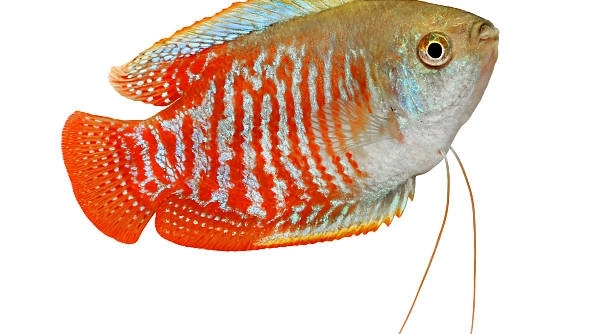
Is your gourami spending more time hiding than swimming, or refusing food no matter what you offer? These little signs can often mean something isn’t quite right in their environment.
Gouramis may show signs of stress or unhappiness when their tank setup does not meet their physical or behavioral needs. Common signs include changes in eating habits, dull coloration, erratic swimming, and increased aggression or hiding.
Knowing what to look for can help you make simple changes that greatly improve your gourami’s well-being and overall quality of life.
Constant Hiding or Staying at the Bottom
When a gourami spends most of its time hiding or sitting at the bottom of the tank, it’s often a sign something isn’t right. While these fish enjoy a little privacy, constant hiding usually means they’re uncomfortable. It might be due to poor water quality, lack of plants or hiding spaces, or an overly bright light. Sometimes, tank mates can cause stress by being too aggressive or too active. If your gourami seems to vanish often, it’s important to check for any environmental issues. Observe their behavior, look for patterns, and test the water regularly. Making small adjustments like adding plants, dimming lights, or separating aggressive tank mates can help. It’s also a good idea to rule out illness by checking for signs like clamped fins, discoloration, or bloating. This behavior shouldn’t be ignored, as it’s one of the earliest signs that something about the setup may be bothering your fish.
Some occasional hiding is natural, but if your gourami avoids open spaces all the time, it may be under constant stress.
A peaceful and balanced tank environment helps gouramis feel safe and confident. When their surroundings match their natural needs, they tend to swim more freely and interact with their habitat in healthier ways.
Loss of Appetite
If your gourami is ignoring food it once enjoyed, that’s often a clear signal of discomfort or stress in its setup.
Poor appetite in gouramis can be caused by several environmental stressors. Water conditions are usually the first thing to check. Ammonia, nitrite, and nitrate levels should always be kept within the safe range, and sudden temperature changes can also affect their appetite. Incompatible tank mates, overcrowding, or even strong water currents may discourage them from eating. It’s important to ensure their food is fresh and suitable for their size and type. If you notice your gourami spitting out food, avoiding it, or showing little interest at feeding times, take action quickly. Start by testing the water, adjusting temperature if needed, and offering a different type of food. Feeding at the same time every day can also help create a routine. If the behavior continues despite changes, it might be time to check for illness or consult an aquarium specialist.
Faded or Dull Coloration
When a gourami’s colors start to look dull or faded, it’s often a sign of ongoing stress. Healthy gouramis usually display vibrant shades, so a loss of brightness is something to take seriously and respond to quickly.
Stress-related color loss can come from poor water conditions, a lack of hiding spaces, or overcrowding. These fish need a calm and well-maintained tank to thrive. Bright lighting without shelter can also make them feel exposed and anxious. You can help by testing the water regularly, adding more plants or driftwood, and reducing aggressive interactions. Some gouramis may take time to adjust to new tanks, but their color should improve once they feel safe and relaxed. Make sure their diet includes color-enhancing foods like brine shrimp or spirulina-based flakes, which support overall health and help maintain their natural vibrance.
Inconsistent lighting or sudden changes in their environment can also contribute to faded coloration. It helps to keep tank conditions as stable as possible. Sudden shifts in temperature, pH, or lighting schedules can cause unnecessary stress. Aim for gradual adjustments, and avoid loud noises or tapping on the glass. Give your gourami time to settle after making changes, and keep a watchful eye on how their colors respond over the following days.
Erratic or Fast Swimming
Erratic swimming patterns often point to irritation or discomfort. If your gourami is darting, rubbing against objects, or seems restless, it’s usually trying to signal that something feels off in the tank.
This behavior is sometimes caused by sudden changes in water temperature or pH. Skin irritation from poor water quality or parasites may also trigger these movements. Strong water flow from filters or pumps can add to their discomfort, especially in small tanks. To help calm the fish, reduce harsh currents and check for irritants. If rubbing continues, inspect for external signs of disease like white spots or redness. You may need to treat the tank if parasites are present. Frequent movement might also mean your gourami is trying to escape conflict, so review tank mates and remove overly active or aggressive ones. Give your gourami time to settle once you’ve made the changes, and monitor their behavior closely.
Aggression Toward Tank Mates
Increased aggression can mean your gourami feels stressed or threatened. This often happens when the tank is too small or lacks hiding spaces. Constant chasing, nipping, or flaring fins are signs of irritation or territorial behavior.
Adding plants, caves, or dividers can reduce aggression by creating space and visual barriers. Keeping only peaceful tank mates also helps.
Gasping at the Surface
Gouramis breathe air, but constant gasping at the surface usually points to poor water quality or low oxygen levels. Ammonia spikes, high temperatures, or lack of surface movement can reduce available oxygen in the water and make breathing harder for your fish.
Improving oxygen levels can be done by increasing surface agitation. Adjust your filter output or add an air stone. Clean the tank regularly and avoid overfeeding, as decaying food affects water quality. Also, check that the temperature isn’t too high, as warm water holds less oxygen. A thermometer and test kit are useful tools. If your gourami still gasps after these changes, it might be sick and need further attention. Gasping should not be ignored, as it often means the fish is struggling to breathe properly and could worsen if left unaddressed.
Lack of Interaction
If your gourami no longer reacts to your presence or ignores food and movement, it may feel unwell or unsafe. Healthy gouramis tend to be curious and responsive, so a lack of interaction can signal something is wrong.
How do I know if my gourami is stressed?
Signs of stress in gouramis include hiding constantly, faded colors, loss of appetite, erratic swimming, and aggression toward tank mates. You might also notice gasping at the surface or a lack of interaction. If these behaviors persist, they usually point to an issue with the tank setup or water quality.
What causes stress in gouramis?
Stress can come from many sources such as poor water conditions, incorrect temperature, overcrowding, or incompatible tank mates. Lack of hiding spaces or bright, constant lighting may also make them feel unsafe. Sudden changes in the tank environment often increase stress too.
Can poor water quality make my gourami unhappy?
Absolutely. High ammonia, nitrites, or nitrates, plus incorrect pH or temperature, can cause serious stress and health problems. Regular testing and water changes help maintain good water quality, which is crucial for a happy gourami.
What tank size is best for a gourami?
A minimum of 20 gallons is recommended for most gouramis. This size gives enough room to swim comfortably and reduces aggression by providing territory space. Smaller tanks can cause stress and increase aggression.
How do hiding places affect gourami happiness?
Gouramis feel safer when they have plenty of hiding spots like plants, rocks, or decorations. These spots reduce stress by giving them shelter and places to retreat when feeling threatened.
Can tank mates cause problems?
Yes. Aggressive or overly active fish can stress gouramis by chasing or bullying them. Peaceful, slow-moving tank mates are usually better companions. Always research compatibility before adding new fish.
What should I feed my gourami to keep it healthy?
A varied diet of high-quality flakes, pellets, and occasional live or frozen foods like brine shrimp or bloodworms helps maintain good health and color. Avoid overfeeding, as leftover food pollutes the water.
Why does my gourami gasp at the surface?
While gouramis breathe some air, frequent gasping usually means low oxygen or poor water conditions. Improving aeration and water quality often resolves this problem.
How often should I clean the tank?
Partial water changes of about 25% every one to two weeks help keep the tank clean. Regularly vacuuming the substrate and checking filter function are also important.
Can temperature changes affect my gourami?
Yes, gouramis prefer stable temperatures between 75°F and 82°F. Sudden shifts can cause stress and illness. Use a heater with a thermostat and avoid placing the tank near drafts or direct sunlight.
What should I do if my gourami shows signs of illness?
Isolate the affected fish if possible and check water parameters immediately. Common illnesses can often be treated with medication, but poor water quality must be corrected first. Consult a specialist if unsure.
How do I reduce aggression in my gourami?
Provide enough space and hiding spots, avoid overcrowding, and select peaceful tank mates. Sometimes, separating aggressive fish is necessary to restore calm.
Is it normal for gouramis to be shy?
Some gouramis are naturally shy, but excessive hiding often signals stress or poor conditions. Improving the environment usually encourages them to become more active and visible.
How important is lighting for gouramis?
Moderate lighting that mimics their natural habitat helps gouramis feel secure. Too much bright light without shaded areas can cause stress.
Can I keep multiple gouramis together?
It depends on the species and tank size. Some gouramis tolerate each other well, but others can be territorial. Providing plenty of space and hiding spots reduces conflicts.
What signs mean my gourami is happy?
Bright colors, regular feeding, active swimming, and curiosity about their surroundings indicate a happy, healthy fish. They will explore and respond to you gently.
How long do gouramis usually live?
With proper care, gouramis live around 4 to 6 years, sometimes longer. Maintaining good water quality and a suitable environment extends their lifespan.
Should I use a filter in my gourami tank?
Yes, a gentle filter helps maintain water quality and oxygen levels. Strong currents should be avoided since gouramis prefer calm water.
Can I use tap water directly for water changes?
Tap water must be treated to remove chlorine and chloramines before use. Untreated water can harm your gourami and disrupt the tank’s balance.
How can I tell if my gourami is sick or just stressed?
Sick gouramis show physical symptoms like spots, torn fins, swelling, or unusual growths. Stress mostly affects behavior, like hiding or not eating, but can lead to illness if untreated.
These questions cover many common concerns about gourami care and tank setup. Proper attention to their environment helps prevent stress and keeps your fish healthy and happy.
Taking care of a gourami means paying close attention to its environment and behavior. These fish show signs when something is wrong with their setup, so noticing changes early can prevent bigger problems. Unhappy gouramis often hide, lose their bright colors, or stop eating. They might swim erratically or show aggression toward other tank mates. Sometimes, they gasp at the surface or stop interacting with their surroundings. These signs usually point to issues like poor water quality, wrong temperature, lack of hiding places, or unsuitable tank companions. By observing these behaviors, you can understand what your gourami needs to feel comfortable and healthy.
Maintaining a clean, stable, and well-arranged tank is the best way to keep gouramis happy. Regular water testing and partial water changes help keep harmful chemicals in check. Temperature should stay steady, ideally between 75°F and 82°F, because sudden changes stress the fish. Adding live plants or decorations creates safe spots for hiding, which makes gouramis feel secure. Choosing peaceful tank mates also lowers stress and prevents aggressive behavior. Proper feeding is important, too. A balanced diet with variety keeps your gourami healthy and supports its natural colors. Avoid overfeeding, as leftover food pollutes the water and causes health issues.
If you notice signs of stress or illness, act quickly by checking the tank conditions and making changes as needed. Sometimes adjusting lighting, adding more plants, or rearranging decorations can help your gourami feel better. If problems persist, isolating the fish or consulting an expert might be necessary. Taking these steps ensures your gourami has the right environment to thrive. Being patient and consistent with care will pay off, as you watch your fish grow more active and colorful. A happy gourami means you’ve created a home that suits its natural needs and keeps it comfortable.

Hello,
If you enjoy the content that we create, please consider saying a "Thank You!" by leaving a tip.
Every little bit helps us continue crafting quality advice that supports the health, happiness, and well-being of pets around the world, for pets of all shapes, sizes, and species.
We really appreciate the kindness and support that you show us!