
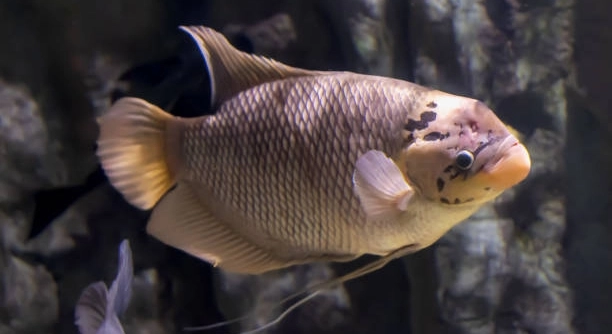
Gouramis are popular aquarium fish known for their beautiful colors and peaceful nature. Sometimes, their colors change unexpectedly, which can be confusing for fish owners. Understanding why this happens can help keep them healthy and happy.
Several stressors can cause gouramis to change color, including poor water quality, improper diet, sudden temperature shifts, overcrowding, illness, inadequate hiding spaces, and aggressive tank mates. These factors affect their wellbeing and trigger physiological changes.
Recognizing these causes is important to maintain a stable environment for your gourami and ensure it thrives in your care.
Poor Water Quality and Its Impact
Water quality is one of the biggest factors affecting gourami color. When the water is dirty or has high levels of ammonia, nitrites, or nitrates, gouramis become stressed. This stress can cause their colors to fade or turn dull. Maintaining clean water by doing regular water changes and using a good filtration system helps keep the water parameters stable. If the water temperature or pH swings too much, it also affects their color and health. Monitoring these levels with test kits is essential. In a tank with poor water quality, gouramis may also show other signs like lethargy or loss of appetite. Providing a stable and clean environment helps them keep their bright colors and stay active.
Keeping water clean is key to a healthy, colorful gourami.
Regular water maintenance protects your fish and ensures their environment supports vibrant, natural coloring. Clean water reduces stress and prevents disease, which helps gouramis maintain their striking appearance and overall well-being.
Improper Diet and Color Change
Feeding gouramis the wrong diet can dull their color. A balanced diet rich in nutrients enhances their natural hues.
A poor diet lacking essential vitamins and carotenoids weakens their immune system and reduces pigment production. Live or frozen foods like brine shrimp, bloodworms, and high-quality flakes support healthy coloration. Vegetables like spinach and peas can also add nutrients. Avoid overfeeding, which can pollute the water and cause stress. Color-enhancing foods specifically made for gouramis are also available and can improve vibrancy. Remember, diet affects not just color but overall health. Providing variety and quality in food helps gouramis look their best and stay energetic. Regularly adjusting their diet based on their needs and life stage supports their color and vitality in the long term.
Sudden Temperature Changes
Temperature shifts stress gouramis quickly and cause color changes. Keeping water temperature steady is very important.
Gouramis prefer stable temperatures between 74°F and 82°F. Sudden drops or spikes make them lose color as their bodies react to stress. Rapid changes also weaken their immune system, making them prone to illness. Using a reliable aquarium heater and thermometer helps maintain a consistent environment. Avoid placing tanks near windows or vents where temperature fluctuates. If you notice your gourami’s color fading after a temperature change, act quickly to stabilize conditions.
Maintaining a steady temperature prevents stress and keeps your gourami’s colors bright and healthy.
Overcrowding and Aggression
Too many fish in a tank cause stress that affects gourami color. Aggression from other fish worsens this stress.
Overcrowding reduces space, increases waste, and raises competition for food and hiding spots. Gouramis stressed by cramped conditions often lose their vibrant colors and may hide or act defensively. Aggressive tank mates can chase or nip at gouramis, causing injury and stress that dull their appearance. Keeping an appropriate number of fish for your tank size and choosing peaceful companions helps maintain a calm environment. Providing enough plants and shelters gives gouramis safe places to retreat. This reduces stress and allows their natural colors to shine again. Managing population and tank mates carefully is key to your gourami’s health and coloration.
Illness and Disease
Illness can cause gouramis to lose their vibrant color quickly. Signs include fading, spots, or unusual behavior.
Common diseases like ich, fungal infections, or parasites stress the fish, weakening their immune system. Prompt treatment and quarantine prevent color loss and further health issues.
Lack of Hiding Spaces
Gouramis need places to hide and feel secure. Without enough cover, they become stressed and lose color.
Plants, caves, or decorations create safe spots. These reduce stress and help gouramis maintain their natural, bright colors.
Aggressive Tank Mates
Aggressive fish can intimidate gouramis, causing stress and color fading. Avoid housing gouramis with nippy or dominant species.
Keeping peaceful companions supports a calm environment where gouramis can display their best colors and behave naturally.
FAQ
Why is my gourami changing color suddenly?
Sudden color changes in gouramis are usually caused by stress. Common triggers include poor water quality, rapid temperature shifts, or aggressive tank mates. When stressed, gouramis may lose their bright colors as their bodies react to the change. It’s important to check water parameters, maintain stable temperatures, and ensure a peaceful tank environment to help your fish regain its natural color.
Can poor water conditions permanently affect gourami coloration?
Yes, consistently poor water quality can permanently dull a gourami’s colors. High ammonia or nitrate levels damage their health and stress them continuously. Even after improving water conditions, some color loss may remain if the damage is severe. Regular water testing and maintenance are essential to keep your gourami healthy and colorful over time.
How often should I change the water to keep gouramis healthy?
Changing 20-30% of the water every week is a good routine for most gourami tanks. This helps remove waste and toxins that build up, keeping water clean. In heavily stocked tanks, more frequent changes might be necessary. Always use dechlorinated water at the same temperature to avoid stressing your fish.
Does diet really impact gourami color?
Absolutely. A balanced diet rich in vitamins and carotenoids enhances gouramis’ natural pigmentation. Foods like brine shrimp, bloodworms, and color-enhancing flakes support brighter colors. Vegetables such as spinach also add nutrients. Avoid feeding only dry flakes, as a varied diet keeps gouramis healthy and colorful.
Can temperature fluctuations cause illness in gouramis?
Yes. Sudden temperature changes weaken gouramis’ immune systems, making them more susceptible to diseases. Keeping the tank temperature stable between 74°F and 82°F helps prevent stress-related illness and maintains healthy coloration.
What signs indicate my gourami is stressed?
Signs include faded color, hiding more than usual, loss of appetite, erratic swimming, and clamped fins. Stress lowers their resistance to disease and can cause long-term health problems. Identifying and fixing the source of stress quickly is crucial.
How can I reduce aggression in my tank?
Ensure your gouramis have enough space and hiding spots like plants or decorations. Avoid mixing aggressive or territorial fish with gouramis. If aggression persists, consider separating fish into different tanks to reduce stress and allow gouramis to display their natural colors.
Is overcrowding common in home aquariums?
Yes, overcrowding happens when too many fish are kept in a small space. This leads to poor water quality, stress, and aggressive behavior. Follow recommended tank sizes and stocking levels to give your gouramis room to swim and thrive.
How long does it take for gourami color to return after stress?
Recovery time varies based on the stress level and cause. With proper care—clean water, good diet, stable temperature, and peaceful tank mates—gouramis may regain their color within days to weeks. Severe stress or illness can take longer and may require medical treatment.
Can supplements or medications help restore gourami color?
Certain supplements with vitamins and carotenoids can improve coloration. Medications may be necessary if illness causes color loss. Always consult an aquatic specialist before adding treatments to avoid further stress or harm.
Are all gourami species equally sensitive to stress?
Different gourami species have varying tolerances, but most are sensitive to poor water conditions, aggression, and sudden changes. Researching the specific needs of your gourami species helps provide the best care and maintain their vibrant colors.
Gouramis are beautiful fish that bring color and life to any aquarium. Their changing colors can be a sign that something in their environment needs attention. Understanding the common reasons behind color changes helps fish keepers provide better care. Stress from factors like poor water quality, improper diet, temperature changes, or aggressive tank mates all affect gourami coloration. By watching these details closely, you can create a healthy space where your gouramis feel comfortable and display their natural beauty.
Taking care of gouramis means keeping their environment stable and clean. Regular water changes, proper feeding, and monitoring temperature are important daily tasks. Providing enough hiding spots and choosing peaceful tank mates also reduces stress. Stress weakens gouramis and can cause their colors to fade or dull. When you act quickly to fix problems, your fish have a better chance to recover their bright colors and stay healthy. Sometimes, even small changes like adding plants or adjusting the diet can make a big difference.
Remember, gouramis communicate their wellbeing through color changes. Paying attention to these signs lets you know when to improve their care. Healthy gouramis will show vivid, rich colors and behave actively. Although color change can be worrying, it is often a helpful signal. With patience and proper care, you can help your gouramis thrive and enjoy their full vibrant colors again.

Hello,
If you enjoy the content that we create, please consider saying a "Thank You!" by leaving a tip.
Every little bit helps us continue crafting quality advice that supports the health, happiness, and well-being of pets around the world, for pets of all shapes, sizes, and species.
We really appreciate the kindness and support that you show us!