
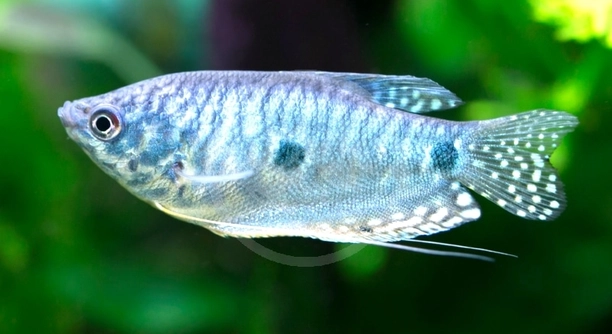
Have you ever noticed your gourami swimming up to the glass, seemingly interacting with its own reflection, and paused to wonder why?
Gourami can respond to their reflection due to territorial instincts and social behavior. They may perceive the image as another fish, reacting with aggression, curiosity, or submission depending on individual temperament and environmental conditions.
This response can influence their behavior and stress levels, making it important to understand what their reaction truly means.
Why Gourami React to Their Reflections
Gourami often react to their reflections because they believe they are seeing another fish. These reactions are typically linked to territorial behavior, especially in males. In a confined tank, a reflective surface like glass can trigger a response as if a rival has entered their space. This can lead to flaring fins, rapid swimming, or attempts to chase the image away. The behavior varies based on the fish’s temperament, tank environment, and whether it feels secure or stressed. Some gourami may grow used to their reflection over time, while others continue to react each time they see it.
If your gourami flares at its reflection occasionally, it’s not usually something to worry about.
However, constant flaring or pacing may suggest that the fish is stressed. Stress can weaken the immune system and lead to health issues. Blocking reflections with a background, plants, or adjusting lighting can reduce overexposure. Monitoring your gourami’s behavior helps prevent stress from becoming a long-term issue. A calm, consistent environment supports better health and allows the fish to display natural behaviors. If your gourami continues to act aggressively or hides often, adjusting tank decorations or placement might make a difference. In some cases, moving the tank away from strong light or mirrors may help.
How to Tell If It’s a Problem
Frequent reflection responses can signal an issue with tank layout or fish comfort.
If your gourami repeatedly shows signs of stress or aggression, it’s time to review the setup. Bright lights, clear backgrounds, and glass can increase reflections. Adding background covers, taller plants, or repositioning lights may help break the image and create a more peaceful setting. Observing your fish over a few days will reveal if the changes are helping. Pay attention to feeding, interaction with tank mates, and resting behavior. These are good indicators of overall health and comfort. Making small adjustments based on your observations can improve your fish’s quality of life.
When Reflection Becomes Stressful
Constant exposure to reflections can lead to stress in gourami. This may cause changes in appetite, hiding, flaring, or pacing. Long-term stress can weaken their immune system, making them more vulnerable to illness and affecting their overall well-being in the tank.
A stressed gourami might show signs like clamped fins, dull coloration, or erratic swimming. It may also become less social or aggressive toward tank mates. These signs often appear when the fish feels threatened or overstimulated. Reflections can create a false sense of competition, especially if there’s nowhere to escape the perceived rival. If this happens often, the fish’s stress level may rise. It helps to observe their daily behavior and look for patterns tied to certain times of the day, lighting conditions, or tank locations. This can help identify what might be causing the reaction and make it easier to reduce unnecessary triggers inside the tank.
Adjusting the tank setup is the most effective way to reduce reflection-based stress. Try adding dark or non-reflective backgrounds to the tank. Floating plants or tall decorations can break up the line of sight, which makes it harder for the fish to see its reflection. Avoid placing tanks directly across from mirrors or windows, which can intensify reflections. Sometimes, even slight changes to lighting can make a difference. Dimming the light or adjusting its angle can stop strong reflections from forming. Every tank and fish is different, so a bit of observation goes a long way. Pay attention to how your gourami behaves after each change, and keep things consistent once it calms down.
Signs Your Gourami Feels Secure
A relaxed gourami swims calmly, displays vibrant colors, and eats well. It may occasionally flare but does not show constant aggression or fear. These signs usually mean the fish feels safe and comfortable in its environment.
If your gourami regularly explores the tank, interacts peacefully with other fish, and rests without hiding for long periods, it’s likely feeling secure. You may notice it responding during feeding time or flaring briefly without staying agitated. Balanced behavior like this means the tank conditions suit its needs. Pay attention to how it behaves when lights are on versus off. A fish that reacts more during a specific time may be responding to increased visibility of its reflection. Keep the tank clean, maintain stable water conditions, and offer spots where it can retreat if needed. These simple steps help support natural behavior and prevent stress-related issues that can come from constant visual triggers like reflections.
Helpful Tank Adjustments
Adding a background to the tank can reduce reflections that trigger stress. Dark or patterned backdrops work best. This makes the glass less reflective and gives the gourami a more stable, less stimulating visual environment to swim in throughout the day.
Live or artificial plants can also help. Tall plants and floating leaves create cover and break up direct lines of sight. This prevents your gourami from seeing its reflection clearly and gives it space to feel secure. These changes are easy to add and often lead to noticeable behavioral improvement.
When to Monitor More Closely
If your gourami continues reacting strongly despite tank changes, monitor more closely. Watch for reduced appetite, frequent hiding, or signs of illness. These could be linked to prolonged stress. Daily observation helps track changes and decide if further adjustments or care are needed. Keep a calm environment and avoid unnecessary disturbances.
Final Thought
Small changes in tank design can make a big difference in how your gourami feels and behaves each day.
FAQ
Can gourami recognize themselves in a mirror?
Gourami do not have the ability to recognize themselves in a mirror like some higher animals. When they see their reflection, they usually interpret it as another fish. This can trigger territorial or social behavior, but it is not self-recognition.
Why do gourami flare at their reflection?
Flaring at reflections is a common territorial response. The fish sees what it believes to be an intruder and reacts by expanding its fins and displaying aggression. This behavior helps them establish dominance in the tank, though it can become stressful if the reflection is constant.
Is it harmful for gourami to see their reflection?
Occasional reflection exposure is usually harmless. However, constant or intense reflection can cause stress. Stress weakens the immune system and may lead to health problems. Managing reflections helps maintain a peaceful environment and reduces stress-related risks.
How can I reduce my gourami’s reaction to its reflection?
Simple tank adjustments work well. Adding a dark or non-reflective background reduces visible reflections. Including tall plants or decorations breaks up the line of sight, preventing clear reflections. Adjusting lighting or relocating the tank can also limit the visibility of reflections.
Will gourami eventually get used to their reflection?
Some gourami may grow accustomed to their reflection and react less over time. Others continue to respond strongly, especially if they remain territorial or stressed. Observing your fish over several weeks can reveal if the behavior decreases naturally or requires intervention.
Can reflections cause fighting in community tanks?
Reflections can increase aggression if a gourami believes the reflection is a rival. This may result in more frequent flaring or chasing behaviors. In community tanks, this can disrupt peace and cause unnecessary stress. Reducing reflections helps maintain harmony among tank mates.
Does the size or species of gourami affect their reaction to reflections?
Yes. Larger or more territorial species tend to react more aggressively to reflections. Smaller or more peaceful gourami might show less intense responses. Individual temperament also plays a role, meaning some fish are naturally more reactive than others.
Are there any health signs linked to stress from reflections?
Stress from constant reflection can cause loss of appetite, lethargy, faded colors, or abnormal swimming. Prolonged stress may weaken immunity, leading to infections or disease. Monitoring these signs early helps address stress before health declines.
Can changing tank lighting help with reflection issues?
Yes, adjusting lighting is effective. Bright, direct light increases reflections, while softer, indirect light reduces them. Using dimmers or repositioning lights to avoid reflecting on glass can lower stress caused by constant exposure to reflections.
Is it better to keep gourami in tanks without glass reflections?
It’s challenging to eliminate all reflections in glass tanks. Instead, minimizing their impact through backgrounds, plants, and lighting adjustments is best. Proper tank design focuses on reducing reflection intensity rather than avoiding glass tanks altogether.
How often should I check on my gourami’s behavior related to reflections?
Daily observation is important, especially after making changes to the tank setup. Look for changes in aggression, hiding, or feeding habits. Consistent monitoring allows early detection of stress and helps maintain a stable environment.
What should I do if my gourami is overly stressed by reflections?
If stress continues despite tank adjustments, consider consulting an aquatic specialist. Temporary isolation or adding more hiding spots may help. Ensuring water quality and nutrition supports recovery and lowers the impact of stress.
Can reflections be completely eliminated in a home aquarium?
Completely eliminating reflections is difficult due to glass properties. However, reducing their frequency and intensity through strategic backgrounds, plants, and lighting creates a calmer environment. These measures usually provide enough relief for gourami to thrive.
Do gourami respond differently to reflections during breeding?
During breeding, gourami may show heightened territorial behavior. Reflections can increase aggression and stress at this time. Extra care with tank layout and minimizing reflections is important to protect breeding pairs and fry.
Are there alternative materials for tanks that reduce reflections better than glass?
Acrylic tanks tend to have fewer reflections than glass because of different surface properties. However, acrylic is less common and more expensive. Using tank covers, backgrounds, and plants remains the most practical solution for most aquarium setups.
Final Thoughts
Gourami reacting to their own reflection is a natural behavior rooted in their territorial instincts. They do not recognize themselves but instead see a potential rival in the mirror image. This reaction can range from mild curiosity to aggressive displays, depending on the individual fish and its environment. While occasional interaction with reflections may not cause harm, constant exposure can lead to stress and negatively affect the fish’s health. Understanding this behavior helps in creating a better environment for gourami in home aquariums.
Managing reflections is an important part of maintaining a healthy tank for gourami. Simple changes like adding a background, incorporating plants, or adjusting lighting can greatly reduce stress caused by constant visual stimuli. These adjustments provide the fish with hiding places and break up the view of reflections. This creates a more peaceful environment where gourami can feel secure and display natural behaviors. Regular observation of the fish’s reactions to these changes is necessary to ensure the adjustments are effective and that the gourami remains calm.
It is important to keep in mind that every gourami and aquarium setup is different. What works for one fish may not work for another. Being patient and willing to make small changes to the tank can improve the fish’s quality of life. Watching for signs of stress or discomfort is key to timely intervention. When a gourami is comfortable and stress-free, it will have a better chance at thriving. This makes it possible to enjoy the beauty and personality of these fish without the negative effects of reflection stress.

Hello,
If you enjoy the content that we create, please consider saying a "Thank You!" by leaving a tip.
Every little bit helps us continue crafting quality advice that supports the health, happiness, and well-being of pets around the world, for pets of all shapes, sizes, and species.
We really appreciate the kindness and support that you show us!