
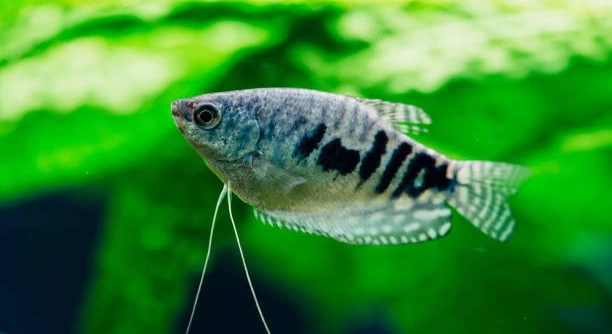
Do you ever notice your gourami acting strange around the heater cord in their tank and start to wonder why they do that?
The primary reason gouramis rub against heater cords is due to skin irritation, often caused by parasites, poor water quality, or early signs of disease. This rubbing, or “flashing,” is a common response to discomfort.
Recognizing this behavior early can help prevent health problems, ensuring your gourami stays comfortable and healthy in its environment.
Why Gouramis Rub Against Heater Cords
Gouramis are sensitive fish that can show odd behaviors when something is wrong in their tank. One of these behaviors includes rubbing their bodies against heater cords or other surfaces. This is usually not just a random action. It’s a way for them to relieve discomfort, especially when their skin or gills are irritated. Common causes include parasites like ich, poor water quality, or shifts in water temperature. These issues affect their skin and make it itchy or painful. The rubbing motion is their way of trying to get relief. While this might seem harmless at first, it is often a sign that something is wrong. If the behavior continues, it’s important to take a closer look at your tank setup and water conditions. Observing these signs early can help you take fast action and prevent bigger problems. Your gourami depends on a stable and clean environment to stay healthy.
This behavior often happens near the heater cord because it offers a solid surface in a familiar area. It’s one of the few spots in the tank that stays still and provides friction.
If your gourami is rubbing more than once or twice, it’s time to test the water, check for any signs of disease, and clean the tank. Simple steps can make a big difference.
What to Check and Fix First
Start by testing your water parameters. Ammonia, nitrites, and pH levels can all affect your gourami’s health and lead to skin irritation.
Once you confirm your water is clean and balanced, look closely at your gourami’s body and behavior. Small white spots may indicate parasites. Rapid breathing or clamped fins could point to infection or stress. If there’s no sign of physical illness, watch how your heater is functioning. Sometimes, heaters can cause subtle electrical currents in the water, which can irritate sensitive fish. Also, check for algae buildup or sharp edges near the heater cord, as these can attract rubbing behavior. Clean the area gently and make sure nothing poses a risk. If your gourami continues rubbing even after water changes and cleaning, consider using a quarantine tank for observation. You can then treat them with medication if parasites or infection are suspected. Keep the main tank stable and observe the rest of the fish for any changes. This can help prevent the issue from spreading.
Other Possible Reasons for Rubbing
Sometimes rubbing can be caused by stress. Changes in lighting, sudden movements around the tank, or overcrowding may all affect your gourami’s comfort level. Stress can make them more prone to illness and unusual behavior like rubbing.
Another possible reason is poor tank layout. If your tank lacks hiding spots or plants, your gourami might not feel secure. This lack of cover can lead to anxiety, making them act out in odd ways, including rubbing. It’s also important to check for any sudden changes in temperature, which can shock your fish and cause discomfort. Even a few degrees off can make a difference. If you’ve recently added new fish, they may bring in stress or competition for space. All of these things can create an environment where your gourami feels unsafe or irritated, leading them to rub on objects as a response.
Diet can also play a role. Poor nutrition weakens the immune system and can make gouramis more vulnerable to skin and gill issues. If they’re not getting the right balance of nutrients, they may not be able to fight off minor irritations, leading to this behavior. Make sure their food is fresh and varied, with protein and essential vitamins.
What to Avoid Doing
Avoid adding medication to the tank without being sure what’s wrong. Treating a healthy fish with unnecessary chemicals can cause more stress and damage than the original issue. Overmedication can harm good bacteria in your tank.
Don’t ignore early signs. Rubbing may seem like a small issue, but it’s usually a sign that something’s off. Also, resist the urge to completely replace all the tank water at once. Sudden water changes can remove helpful bacteria and throw off the tank’s balance. It’s better to do partial water changes gradually. Avoid sharp decorations or rough surfaces that might tempt your gourami to rub and injure themselves. Check cords, rocks, and plants for rough spots. Lastly, don’t keep your tank light on all day. Too much light can stress fish and lead to poor sleep cycles. Keep the lighting natural and consistent to support healthy behavior.
When Rubbing Is Normal
Occasional rubbing isn’t always a problem. Fish sometimes do this after a water change or when adjusting to a new environment. If it only happens once or twice and stops, it’s likely nothing to worry about.
Young gouramis may also explore their tank by lightly rubbing on objects. It can be part of their normal behavior when settling in. Just keep an eye on frequency and body condition to make sure it doesn’t turn into something more serious.
Signs You Should Be Concerned
If the rubbing becomes frequent or aggressive, it’s likely a sign of an underlying issue. Look for additional symptoms such as white spots, cloudy eyes, red streaks, or clamped fins. These are often signs of parasites or infection. Watch how your gourami eats and swims—loss of appetite, lethargy, or labored breathing are red flags. Also, check other fish in the tank. If more than one shows unusual behavior, it could point to a shared problem like poor water quality. It’s always best to act early and isolate the affected fish if symptoms continue. Observation and small adjustments can help avoid more serious issues later.
Keep the Tank Routine Stable
Consistent feeding, lighting, and cleaning routines help your gourami feel safe. Sudden changes in their environment can lead to stress and strange behaviors like rubbing. Keeping things steady supports their long-term health.
FAQ
Can rubbing be a sign of parasites?
Yes, rubbing is often one of the first signs of parasites like ich. Ich appears as tiny white spots on the fish’s body, fins, or gills. The irritation caused by these parasites makes fish try to rub them off against objects. If you notice repeated rubbing along with other signs like rapid gill movement or loss of appetite, it’s a good idea to treat for parasites. Use a proper parasite treatment and raise the water temperature slightly (only if safe for all fish in the tank) to help speed up the life cycle of the parasite.
Should I quarantine a rubbing gourami?
If your gourami is rubbing a lot and you’re unsure why, moving it to a quarantine tank can help. This way, you can observe it closely and treat it without affecting the rest of your fish. Quarantine tanks also reduce stress because they are usually quieter and easier to manage. If you notice spots, color changes, or fin damage, quarantining helps you give focused care without risking the whole tank. Keep the water clean, and avoid overmedicating. Watch the fish for 7 to 10 days before deciding whether to return it to the main tank.
Is it safe to touch the heater cord?
Most heater cords are safe, but over time, wear and tear or manufacturing issues can cause small electrical leaks. These tiny currents are not usually harmful to humans but can be uncomfortable or stressful for fish. If you suspect this might be happening, unplug the heater and inspect it for cracks or discoloration. Replace it if anything looks off. You can also use a voltage meter to test the tank water. If in doubt, try swapping the heater with a well-reviewed, aquarium-safe brand and see if the rubbing stops.
Can poor water quality cause rubbing?
Absolutely. High ammonia or nitrite levels irritate the fish’s skin and gills. This irritation can lead to rubbing or flashing. Even high nitrate levels over time can create stress that leads to similar behaviors. Testing your water regularly helps prevent this. A test kit will show you the current levels, and small, regular water changes can help keep things balanced. Don’t forget to check pH and temperature, too, since both can shift and cause discomfort. Clean filters, avoid overfeeding, and remove uneaten food to keep your tank healthy.
Will the rubbing stop on its own?
If the cause is temporary, like a minor water change or small temperature shift, the rubbing may stop after a day or two. But if it continues, don’t wait too long to investigate. Continuous rubbing can cause physical damage to your gourami’s skin, making it more likely to develop infections. Track how often it happens, and take note of any other signs. If things seem to get worse, treat the issue quickly to avoid long-term harm. Acting early keeps your fish from dealing with more serious problems later on.
Can stress alone cause rubbing?
Yes, stress is a big factor. Fish can feel stressed from loud noises, tank overcrowding, poor lighting schedules, or even being housed with aggressive tankmates. All of these things can make them act in unusual ways, including rubbing. Stress weakens their immune system, making them more likely to develop real illnesses. Providing hiding spaces, plants, and a calm environment can reduce stress and help your gourami feel secure. A peaceful, balanced tank usually leads to healthier behavior overall.
Do other fish species rub on heater cords too?
Yes, rubbing isn’t limited to gouramis. Many species will rub or flash if they are irritated or stressed. Bettas, tetras, and cichlids may also do this if something in the tank bothers them. That’s why it’s always good to look at your whole tank setup. Check the water, temperature, and tankmates. Rubbing is usually a signal, not just a random action. Paying attention to it, no matter the species, can help prevent problems from spreading or getting worse.
What if my gourami rubs but looks healthy?
If your fish looks healthy—eating well, active, no visible spots or damage—it might be a minor or short-term issue. Keep observing it for a few days. Sometimes, rubbing happens once or twice and goes away on its own. Just make sure to check your water quality and review any recent changes. Maybe you added new decorations or moved things around. Even small shifts in the tank environment can affect fish behavior. If everything seems stable, and the rubbing doesn’t return, your gourami is probably fine.
Final Thoughts
Watching your gourami rub against the heater cord can be a little concerning at first. But in many cases, this behavior is simply their way of telling you something isn’t quite right. It may be a small issue like water temperature or something more serious like parasites. Paying attention to this behavior early helps you spot and fix the problem before it becomes more serious. Your gourami depends on you to keep their environment safe, clean, and stable. Even small changes, like cleaning the tank more often or adjusting water temperature, can help them feel better.
It’s important to remember that fish don’t always show obvious signs when something is wrong. Rubbing is one of the few visible actions they use to show discomfort. That’s why it’s useful to treat it as a signal rather than ignore it. A quick water test or a few minutes of observation can tell you a lot. If other fish in the tank seem fine, that’s still not a reason to assume everything is okay. Each fish is different, and some may react sooner than others. Making small improvements to water quality, tank layout, or diet can make a big difference in your gourami’s daily comfort and health.
In the end, keeping your gourami healthy isn’t just about treating problems when they show up—it’s about building a routine that prevents those problems from starting. Clean water, balanced food, a calm tank, and regular checks go a long way. It doesn’t have to be complicated. Just paying attention to changes in behavior and acting early can help your fish live a longer, more peaceful life. If rubbing does occur, take it seriously but don’t panic. Most of the time, the solution is simple and can be handled at home with basic care. Your efforts, even the small ones, matter to your gourami more than you might realize.

Hello,
If you enjoy the content that we create, please consider saying a "Thank You!" by leaving a tip.
Every little bit helps us continue crafting quality advice that supports the health, happiness, and well-being of pets around the world, for pets of all shapes, sizes, and species.
We really appreciate the kindness and support that you show us!