
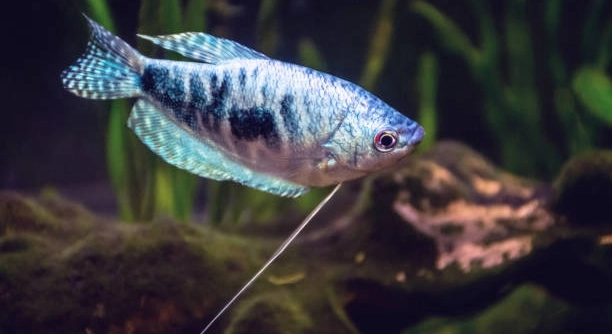
Gouramis are popular freshwater fish known for their peaceful nature and beautiful colors. Many aquarium owners enjoy keeping them, but sometimes their balance can be upset without obvious reasons. Hidden issues may quietly affect their health and behavior over time.
Several less visible factors can disrupt gourami balance, including water quality, diet inconsistencies, stress from tank mates, and improper tank conditions. These hidden problems often go unnoticed but significantly impact their well-being and stability.
Understanding these subtle influences can help you maintain a happier, healthier gourami. Let’s explore these hidden issues and learn how to manage them effectively.
Poor Water Quality and Its Effects
Maintaining clean water is essential for gouramis to stay balanced and healthy. Even small amounts of ammonia or nitrites can cause stress and illness. Poor water quality can lead to sluggish behavior, loss of appetite, and weakened immune systems. It’s important to regularly test your aquarium water and perform partial water changes to keep harmful substances low. Overfeeding and decaying plants or food also contribute to water problems, so keeping the tank clean and avoiding excess waste helps maintain stable conditions. Gouramis are sensitive to sudden changes in pH or temperature, which can upset their balance as well. Monitoring these factors helps prevent unnecessary stress and keeps your fish thriving.
Water quality directly impacts the health and behavior of gouramis, making regular care and attention necessary for a stable tank environment.
Taking time to check your water’s condition and acting quickly on any changes will support your gouramis’ well-being. Consistency is key to preventing issues from building up unnoticed.
Stress from Tank Mates
Aggressive or overly active tank mates can cause stress in gouramis. This stress often results in hiding, loss of color, and difficulty feeding. Gouramis do best with peaceful companions that share similar water needs and temperament. Avoid keeping them with fin-nipping species or large, boisterous fish that chase or crowd them. If the tank is too small, territorial disputes can increase, further upsetting your gourami’s balance. Providing plenty of plants and hiding spots reduces tension and gives your fish safe places to retreat when needed. Watching how your gouramis interact with their tank mates helps you spot early signs of stress and adjust the setup before problems worsen. Choosing compatible companions is a simple step toward a calmer, healthier aquarium.
Inconsistent Diet and Feeding Habits
Inconsistent feeding can upset your gourami’s balance and health. Overfeeding or underfeeding affects digestion and energy levels, causing stress and illness.
Gouramis need a balanced diet of high-quality flakes, pellets, and occasional live or frozen foods like brine shrimp or bloodworms. Feeding small amounts once or twice daily prevents overeating and water pollution. Sudden changes in diet may lead to digestive problems and loss of appetite. Consistency helps maintain good digestion and nutrient absorption. Avoid feeding only one type of food to ensure they get all necessary vitamins and minerals.
Monitoring how much and what your gourami eats can reveal health issues early. Regular feeding schedules and varied diets promote stable behavior and long-term well-being.
Inadequate Tank Environment
A tank that is too small or lacks hiding places can stress gouramis. Proper space and decor reduce aggression and anxiety.
Gouramis need a tank size appropriate for their growth—usually at least 20 gallons. Overcrowding causes territorial behavior and competition for resources. Adding plants, caves, and decorations provides security and reduces stress. These hiding spots mimic natural environments and help gouramis feel safe. Lighting should be moderate to avoid startling them, and water flow should be gentle, as gouramis prefer calmer waters. Paying attention to tank setup improves their comfort and encourages natural behaviors. Regular cleaning and maintenance keep the environment healthy and balanced, preventing illness linked to poor living conditions.
Sudden Changes in Water Temperature
Sudden shifts in water temperature can shock gouramis. They need stable temperatures to stay healthy and balanced.
Rapid changes weaken their immune system, making them more prone to disease. Maintaining a consistent temperature between 75°F and 80°F is ideal for most gourami species.
Poor Oxygen Levels
Low oxygen in the tank causes gouramis to become lethargic and stressed. Proper aeration and water movement are necessary to keep oxygen levels adequate. Even though gouramis can breathe air from the surface, they still need good dissolved oxygen for overall health. Adding an air stone or filter that moves water gently improves oxygen circulation and keeps gouramis comfortable.
Stress from Lighting
Bright or constant lighting stresses gouramis and disrupts their natural behavior. Dimmer, natural lighting with regular day-night cycles helps keep them calm.
Providing shaded areas or floating plants gives gouramis places to escape bright light when needed, reducing stress.
FAQ
How often should I test the water for my gourami tank?
Testing water regularly is important to keep your gouramis healthy. Aim to check key parameters like ammonia, nitrites, nitrates, and pH at least once a week. If you notice any sudden changes in behavior or health, test more frequently. Keeping a log of your water tests can help spot patterns and prevent issues before they get worse.
What is the best diet for gouramis?
A balanced diet includes high-quality flakes or pellets designed for tropical fish, supplemented with live or frozen foods such as brine shrimp, daphnia, or bloodworms. Feeding small amounts once or twice daily is ideal. Avoid overfeeding to prevent water pollution and digestive problems. Rotating foods helps provide essential nutrients.
Can gouramis live with other fish?
Yes, but choosing compatible tank mates is crucial. Gouramis prefer peaceful fish of similar size and temperament. Avoid aggressive species or fin-nippers that may stress them out. Good companions include tetras, rasboras, and some corydoras catfish. Make sure the tank is large enough to reduce territorial disputes.
How do I know if my gourami is stressed?
Signs of stress include hiding, loss of color, loss of appetite, and erratic swimming. Stress can also weaken their immune system, leading to illness. Watch for changes in behavior and appearance. Identifying stress early allows you to adjust water conditions, tank mates, or feeding habits to help your fish recover.
What tank size is suitable for gouramis?
A minimum of 20 gallons is recommended for most gourami species to provide enough swimming space and reduce stress. Larger tanks are better for multiple gouramis or mixed species setups. Proper space helps prevent territorial behavior and allows room for plants and decorations.
How important is tank maintenance?
Regular tank maintenance is key to keeping gouramis healthy. Partial water changes of 20-30% weekly help remove toxins and keep water quality high. Cleaning the substrate, filter, and decorations prevents buildup of waste. Consistent care creates a stable environment, reducing stress and disease risks.
What should I do if my gourami shows signs of illness?
If you notice unusual behavior or physical changes like spots, swelling, or labored breathing, isolate the affected fish if possible. Test water parameters and improve tank conditions. Consult a veterinarian or fish expert for advice on treatment options. Early action improves chances of recovery.
Can gouramis tolerate different water temperatures?
Gouramis thrive best in stable temperatures between 75°F and 80°F. Sudden or extreme changes can cause stress and illness. Use a reliable heater and thermometer to maintain consistent temperature. Avoid placing the tank near drafts, heaters, or windows where temperatures may fluctuate.
How much lighting do gouramis need?
Moderate lighting that mimics natural daylight is ideal. Avoid very bright or constant lighting, which can stress gouramis. Providing shaded areas or floating plants helps fish feel safe and comfortable. A regular day-night light cycle supports their natural rhythms and health.
Why do gouramis breathe air from the surface?
Gouramis have a labyrinth organ that allows them to breathe atmospheric air. This helps them survive in low-oxygen environments. However, this doesn’t mean they can live without proper oxygen in the water. Maintaining good aeration is still essential for their overall health and activity.
This FAQ covers common concerns to help maintain a healthy and balanced environment for your gouramis. Following these guidelines supports their well-being and enjoyment in your aquarium.
Maintaining a balanced environment for your gouramis takes consistent care and attention to detail. Many hidden issues can upset their health without showing clear signs at first. Paying close attention to water quality, tank setup, diet, and compatible tank mates is important. Even small changes or problems can build up and cause stress, illness, or behavior changes in your fish. Regular testing of water parameters and keeping the tank clean can prevent many common problems. It also helps to observe your gouramis daily to notice any early signs of trouble before they become serious.
Creating a comfortable and stable home for gouramis includes proper tank size, gentle lighting, and plenty of hiding spaces. These conditions reduce stress and help gouramis feel secure. Stress is often the root cause of many health issues in fish, so minimizing it through good tank management is essential. Feeding a varied, balanced diet in proper amounts supports their immune system and overall health. Avoid sudden changes in food or environment, as these can disrupt their balance. Being patient and steady in your care routines makes a big difference in keeping your gouramis healthy and happy.
Understanding the hidden factors that can upset gourami balance empowers you to create the best environment possible. It’s normal to encounter challenges, but learning how to address them helps improve your fish’s quality of life. Taking small, consistent steps in tank maintenance and care adds up to long-term success. When you provide stable water conditions, peaceful companions, and proper nutrition, your gouramis will thrive. Being aware and proactive in your aquarium care will keep your fish swimming strong and looking their best for years to come.

Hello,
If you enjoy the content that we create, please consider saying a "Thank You!" by leaving a tip.
Every little bit helps us continue crafting quality advice that supports the health, happiness, and well-being of pets around the world, for pets of all shapes, sizes, and species.
We really appreciate the kindness and support that you show us!