
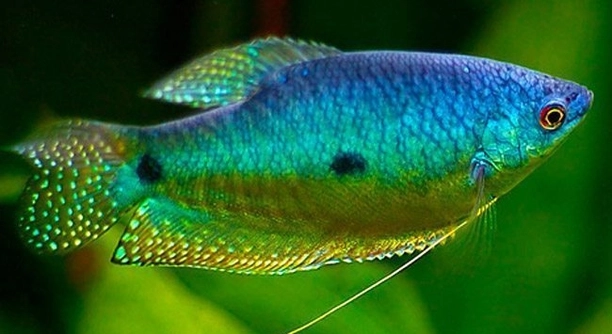
Are your gourami fish behaving differently under varying light conditions? Many fishkeepers notice changes in activity when adjusting aquarium lighting. Understanding how light affects gourami can help create a comfortable environment for these popular aquarium pets.
Gourami tend to be more active under soft lighting compared to harsh or bright lights. Softer light reduces stress and mimics their natural habitat, encouraging natural behaviors and exploration. This controlled environment supports their overall well-being and activity levels.
Learning how light impacts your gourami can improve their care and tank setup. Small adjustments in lighting might make a big difference in their daily behavior and health.
How Light Affects Gourami Behavior
Gourami are native to slow-moving waters with plenty of shade and vegetation. In these environments, the light is usually soft and filtered. When kept in an aquarium with bright or harsh lighting, gourami can become stressed and less active. Soft lighting helps to simulate their natural habitat, making them feel safer and more relaxed. This encourages them to explore their tank and interact with their surroundings. When the light is too intense, gourami tend to hide more often and reduce their movement. Adjusting the light intensity in your tank can be a simple way to improve their behavior and comfort. Many hobbyists have observed that gourami swim more freely and show natural behaviors like bubble nest building under dimmer, softer lights. This kind of lighting also supports the plants and overall tank health, which benefits the fish indirectly by creating a more balanced ecosystem.
Keeping the light soft helps reduce stress, making your gourami more active and healthy. A natural, calm setting benefits their daily routines and overall happiness.
Choosing the right light for your gourami is about balance. Avoid overly bright bulbs, and consider using floating plants or tank decorations that diffuse light. Soft, adjustable LED lights are great because you can control brightness easily. Observing how your gourami respond to different lighting will help you find the perfect setup. It’s not just about activity; softer light can also improve their coloration and reduce aggressive behaviors. Your fish will be more at ease, showing their true personality. Experiment with light placement and intensity until you notice your gourami swimming confidently and building nests. Remember, the tank environment plays a big role in fish well-being, and light is a key factor to get right.
Best Lighting Options for Gourami Tanks
Soft LED lights are often the best choice for gourami tanks because they are adjustable and gentle. They produce less heat, reducing stress on the fish and plants.
When selecting lighting, look for options that mimic natural daylight without being too strong. Lights that offer dimming features or come with timers can help regulate a consistent day-night cycle, which is important for gourami health. Avoid fluorescent bulbs that are too bright or harsh, as these can cause the fish to retreat and become less active. Using plants, both live and artificial, can naturally soften the light, creating shaded areas where gourami feel safe. Some aquarists add floating plants to reduce light intensity on the water surface. Combining these methods creates a comfortable space for your gourami to thrive. Keeping the lighting low to moderate also supports natural behaviors, like bubble nest building in male gourami, which may not happen under intense lighting. Ultimately, choosing the right lighting helps maintain a healthy, peaceful aquarium environment.
Adjusting Light Levels Gradually
Sudden changes in light can stress gourami, so it’s important to adjust lighting gradually. This helps fish adapt without panic or hiding.
When changing light intensity, try to do it in small steps over several days. For example, if you’re switching to softer lights, start by dimming the existing lights a little each day. This gradual transition gives gourami time to get used to the new brightness levels. Abrupt shifts can cause stress, making fish inactive or prone to illness. Slowly adjusting light also allows plants to adapt, keeping the tank balanced. Monitoring your gourami’s behavior during this process is key. If they show signs of stress, slow down the changes further.
Using timers can help manage lighting changes automatically, ensuring a steady, natural cycle. This steady rhythm supports healthy activity patterns and reduces stress, helping gourami feel secure in their environment.
Effects of Light on Gourami Health
Proper lighting influences not only activity but also gourami’s overall health. Soft light reduces stress, which boosts immune function and longevity.
Stress from harsh lighting weakens gourami, making them more vulnerable to diseases and reducing their lifespan. Soft, natural-like lighting creates a calm environment, encouraging normal eating and swimming patterns. Good lighting also supports the growth of beneficial tank plants, which improve water quality and oxygen levels. Healthier water means healthier fish. Additionally, well-lit tanks with softer light help gourami maintain vibrant colors and strong fins. Consistent, gentle lighting supports natural behaviors such as breeding and nest building. Avoiding harsh lighting and using a consistent day-night cycle promotes better sleep patterns for the fish, which is crucial for recovery and energy. Paying attention to lighting is a simple but powerful way to keep your gourami healthy and lively over time.
Signs Gourami Are Comfortable with Light
When gourami are comfortable, they swim openly and explore the tank. They may build bubble nests, which shows they feel safe.
Bright or harsh light usually causes them to hide or stay still. Soft lighting encourages natural behaviors and more frequent movement, indicating comfort.
Using Plants to Soften Aquarium Lighting
Adding live or artificial plants helps diffuse light and create shaded areas. This mimics the gourami’s natural environment and reduces stress. Plants also improve water quality, benefiting fish health and promoting calm behavior.
Avoiding Overexposure to Light
Too much light can cause stress and reduce activity in gourami. Keep lighting moderate to prevent discomfort and encourage natural behavior.
Lighting Duration for Gourami Tanks
Gourami do best with about 8 to 10 hours of light daily. This schedule supports their natural rhythms and overall health.
FAQ
Are gourami nocturnal or diurnal fish?
Gourami are mostly diurnal, meaning they are active during the day and rest at night. They rely on a regular light-dark cycle to maintain healthy behavior. Keeping a consistent lighting schedule helps gourami stay active and reduces stress. Sudden or irregular changes in light can confuse them and disrupt their natural rhythms.
Can bright light harm gourami?
Yes, bright or harsh lighting can stress gourami. They come from shaded, slow-moving waters, so intense light makes them feel exposed and unsafe. This stress can cause hiding, reduced activity, and even health problems. Using softer light or providing shaded areas in the tank helps protect them from too much brightness.
What type of light is best for gourami tanks?
Soft LED lights are ideal for gourami tanks. They offer adjustable brightness, produce little heat, and can mimic natural daylight well. Using dimmable LEDs or placing floating plants to diffuse light creates a comfortable environment. Avoid overly bright fluorescent lights, as these can be harsh and unsettling for gourami.
How long should the aquarium lights be on for gourami?
Gourami do well with about 8 to 10 hours of light each day. This matches their natural day length and helps regulate their activity and rest cycles. Too much light can cause stress, while too little may reduce activity and appetite. Using timers ensures a consistent light schedule.
Can lighting affect gourami breeding?
Yes, lighting plays a big role in gourami breeding. Male gourami build bubble nests in softer, dimmer lighting conditions. Too bright light can prevent this behavior by making them feel unsafe. Providing gentle, consistent light encourages natural breeding habits and healthier fry.
Will gourami colors fade under poor lighting?
Poor or harsh lighting can dull gourami colors. Soft, balanced lighting helps bring out their natural hues and keeps their fins vibrant. Stress from bad lighting also impacts coloration. Proper light levels combined with good water quality keep gourami looking their best.
How can I reduce light stress in a gourami tank?
Use dimmable or soft LED lighting and add plants or decorations to create shaded areas. Gradually adjust light levels if changing setups. Maintain a steady day-night cycle with timers. Avoid sudden bright flashes or intense light periods. These steps help reduce stress and promote natural behavior.
Is it okay to keep the tank in a dark room?
Keeping a tank in a completely dark room isn’t ideal. Gourami need some light to regulate their daily activity and rest. A low, consistent light source is best. Too little light can disrupt their behavior and tank plant growth. A balance of gentle lighting is necessary for a healthy tank environment.
Do gourami need special lighting during winter?
Yes, during winter when natural daylight is shorter, it’s good to maintain consistent aquarium lighting. Using timers ensures gourami get enough light despite shorter days outside. This helps keep their activity normal and prevents stress caused by sudden changes in daylight duration.
Can lighting influence gourami aggression?
Lighting can affect gourami aggression indirectly. Harsh or overly bright light increases stress, which may trigger aggression. Softer, stable lighting helps keep gourami calm and reduces territorial disputes. Providing enough space and hiding spots also helps alongside proper lighting to keep peace in the tank.
Should I turn off aquarium lights at night?
Yes, turning off aquarium lights at night is important. Gourami need darkness to rest properly. Continuous light can stress them and disrupt natural cycles. A clear day-night rhythm supports healthy behavior and overall well-being. Using timers can automate this process to avoid forgetting.
What happens if gourami are exposed to too much light?
Too much light causes stress, hiding, loss of appetite, and reduced activity. It can weaken their immune system, making them more prone to illness. Overexposure also affects breeding and coloration negatively. Keeping light levels moderate and natural helps avoid these problems.
Can changing the light color affect gourami?
Yes, light color can influence gourami behavior. Natural white or soft yellow light is best. Blue or harsh white lights may cause discomfort or stress. Some hobbyists use adjustable LEDs to find a color that keeps gourami calm and active. Experimenting carefully helps find what suits your fish best.
How do floating plants help with lighting for gourami?
Floating plants diffuse and soften light, creating shaded areas that gourami appreciate. They mimic the fish’s natural habitat, reducing direct exposure to bright light. This lowers stress and encourages natural behavior like swimming and nest building. Plants also improve water quality, adding another benefit.
Can aquarium lighting affect other fish with gourami?
Yes, lighting impacts all fish in the tank. Some species need brighter light, others prefer dimmer conditions. Finding a balance is key, especially when mixing gourami with other fish. Soft, adjustable lighting usually works well for peaceful community tanks, helping all fish stay comfortable.
How often should I check lighting effects on my gourami?
Regular observation is important. Watch your gourami’s behavior daily after any lighting changes. Signs like hiding, fading colors, or reduced activity mean adjustments may be needed. Monitoring water plants and overall tank health also gives clues about light conditions. Consistent care keeps your gourami happy.
Gourami are delicate fish that respond strongly to their environment, especially lighting. Soft, gentle light helps them feel safe and encourages natural behavior. When the lighting is too bright or harsh, gourami may become stressed, hide more often, and show less activity. This can affect their health and overall happiness. Creating a calm environment with soft lighting mimics their natural habitat and helps them thrive. Using adjustable LED lights and adding plants to diffuse the light are good ways to make the aquarium comfortable for gourami.
Managing light duration is also important for keeping gourami healthy. Around 8 to 10 hours of light daily works best. This timing matches their natural day-night cycle, allowing them to be active during the day and rest at night. Consistent light schedules reduce stress and help gourami maintain regular behavior. Using timers to control aquarium lighting ensures they get the right amount of light without sudden changes. Gradual adjustments in light intensity are important, especially when switching to softer or dimmer lighting, so the fish can adapt smoothly.
Overall, paying attention to lighting is a simple but effective way to support gourami well-being. Proper lighting helps reduce stress, improve their colors, encourage breeding, and support healthy activity levels. Combining soft, balanced light with plants and a stable day-night cycle creates a peaceful environment. This leads to happier, more active gourami that show their best behavior. Small changes to light settings can make a big difference in how your gourami live and interact with their tank. Taking the time to adjust lighting thoughtfully is well worth the effort for the health and comfort of these beautiful fish.

Hello,
If you enjoy the content that we create, please consider saying a "Thank You!" by leaving a tip.
Every little bit helps us continue crafting quality advice that supports the health, happiness, and well-being of pets around the world, for pets of all shapes, sizes, and species.
We really appreciate the kindness and support that you show us!