
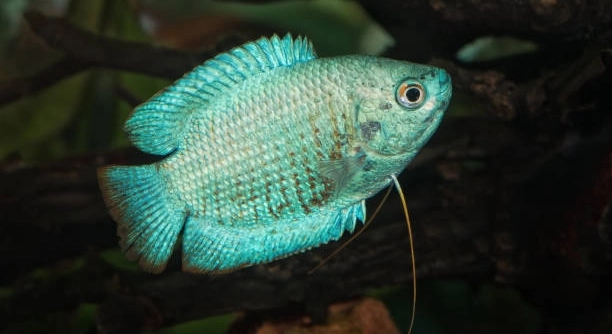
Gouramis are popular freshwater fish often kept in home aquariums. Their behavior and senses are fascinating to many hobbyists who enjoy observing how these fish interact with their environment. Understanding their hearing abilities can improve care for these delicate creatures.
Gouramis have a limited capacity to hear outside noises clearly due to their anatomy and aquatic environment. Their hearing is adapted mainly for detecting vibrations and sounds within water rather than air, which restricts their ability to perceive external noises distinctly.
Knowing how gouramis perceive sound helps aquarium owners create a more comfortable habitat. This insight ensures better interaction and reduces stress for these sensitive fish.
How Gouramis Hear Sounds
Gouramis detect sounds primarily through their lateral line system, a series of sensory organs along their body that sense water vibrations. Unlike humans, gouramis do not rely heavily on ears for hearing. Their inner ear can detect low-frequency sounds and vibrations in the water, which helps them respond to nearby movements or potential threats. The surrounding water carries vibrations more effectively than air, so their hearing is much more sensitive underwater. Outside noises, like sounds from a room or loud talking, mostly travel through air and are muffled before reaching the water. This limits how clearly gouramis can perceive these sounds. In an aquarium setting, sudden noises might create vibrations in the water, but these are usually less distinct than direct underwater sounds. Keeping the tank environment calm reduces stress for gouramis, as they are sensitive to sudden changes in vibrations.
Gouramis respond best to gentle, consistent vibrations rather than loud, sudden noises.
Creating a quiet, stable environment helps gouramis thrive. Avoid tapping on the tank or loud, sudden noises nearby. Instead, soft movements around the tank will keep them calm and comfortable. Their hearing is designed to pick up subtle water vibrations rather than loud external sounds. Understanding this can improve how you care for your fish, ensuring a peaceful tank where they feel secure. With less stress, gouramis exhibit natural behaviors and better health.
External Noises and Gourami Behavior
Sudden external noises can startle gouramis, even if they do not hear the sounds clearly.
Loud sounds near the aquarium cause vibrations in the water that gouramis sense as disturbances. This can trigger stress responses like hiding or erratic swimming. Unlike mammals, gouramis do not recognize specific noises but react to changes in water pressure. Consistent loud noises may cause ongoing stress, impacting their immune system and growth. Aquarium owners should place tanks away from noisy appliances or heavy foot traffic. Additionally, covering the tank or using background noise like soft music can help mask sudden external sounds. Maintaining a calm environment supports gouramis’ natural behavior patterns and promotes overall well-being. Their sensitivity to vibrations means gentle care around the tank is essential to avoid unnecessary stress. By reducing sudden vibrations and noise, gouramis stay healthier and display calmer behavior, improving their quality of life in captivity.
How Gouramis React to Loud Noises
Gouramis often react to loud noises by becoming startled or hiding. Sudden vibrations in the water can cause them to swim erratically or seek shelter among plants and decorations.
These fish rely on their sensitivity to water movement to detect threats. Loud noises create strong vibrations that disrupt their environment, triggering a natural stress response. Prolonged exposure to loud sounds can weaken their immune systems and affect feeding habits. A calm environment minimizes these negative reactions and helps gouramis maintain normal behavior. Reducing sudden disturbances near the tank is important for their well-being.
In a quiet setting, gouramis display more natural swimming patterns and social interactions. They become more confident and less prone to hiding, which is a sign of comfort. This improved behavior reflects better overall health and a lower stress level. Maintaining a peaceful aquarium environment is essential for gouramis to thrive and enjoy a stable habitat.
Factors Affecting Sound Perception in Gouramis
The physical environment of the aquarium significantly influences how gouramis perceive sound. Tank size, water quality, and materials affect sound transmission and vibration intensity.
Glass tanks can amplify certain vibrations, while decorations and plants help dampen them. Water temperature and clarity also play roles, as warmer or murky water alters how vibrations travel. Filtration and aeration equipment create constant background noise, which gouramis may become accustomed to but can mask other sounds. Tank placement matters; placing the aquarium away from external noise sources reduces sudden disturbances. Managing these factors helps create a stable environment where gouramis can better interpret water vibrations, minimizing stress. Proper care in setting up the tank enhances gouramis’ ability to detect and respond to their surroundings in a healthy way.
Can Gouramis Distinguish Different Sounds?
Gouramis cannot clearly distinguish between different outside sounds. They mainly detect vibrations rather than specific noises. Their perception focuses on changes in water movement, not the source or type of sound.
This limited ability means gouramis respond mostly to sudden or strong vibrations. They are not able to identify human voices or distinguish between different noise types like a dog barking or music playing nearby.
Tips to Minimize Stress from Noises
Reducing sudden loud noises near the tank helps keep gouramis calm. Avoid tapping on the glass or making quick movements around the aquarium.
Providing plenty of hiding spots with plants and decorations lets gouramis retreat when disturbed. This helps them feel secure and lowers stress levels.
Common Signs of Stress from Noise
Gouramis stressed by noise may hide frequently, swim erratically, or lose appetite. Watching these behaviors can help identify when sound is affecting them.
Maintaining a Quiet Aquarium Environment
Keeping the room quiet and stable supports gouramis’ health. Consistent background sounds like gentle filtration are less disruptive than sudden loud noises.
FAQ
Can gouramis hear human voices clearly?
Gouramis do not hear human voices clearly because their hearing is adapted to sense vibrations in water, not sound waves traveling through air. Voices and other airborne sounds become muffled and lose clarity when they reach the aquarium water. Gouramis react mostly to the vibrations these sounds create rather than the sound itself.
Why do gouramis get startled by sudden noises?
Sudden noises cause rapid vibrations in the water, which gouramis interpret as potential danger. Their sensitivity to changes in water movement triggers a startle response, making them swim quickly or hide. This reaction helps protect them from possible threats in their natural environment.
Can loud music harm gouramis?
Loud music near an aquarium can create strong vibrations in the water that stress gouramis. While they do not hear music as humans do, the vibrations affect their comfort and may cause health problems if the noise is frequent or intense. It is best to keep music volume low or away from the tank.
Do gouramis respond to background noises?
Gouramis can get used to consistent background noises like filter hum or soft room sounds. These sounds create steady vibrations that become part of their environment. However, sudden or irregular noises are more likely to disturb them and cause stress.
How can I help my gourami feel safe from noise?
Reducing loud, sudden noises near the tank is important. Adding plants and decorations gives gouramis places to hide, which helps reduce stress. Keeping the aquarium in a quiet room away from heavy foot traffic or loud appliances creates a stable environment for them.
Is tank size important for sound perception?
Yes, tank size influences how vibrations travel. Smaller tanks transmit vibrations more quickly and intensely, which may stress gouramis more. Larger tanks offer better vibration dampening and space for gouramis to avoid disturbances.
Can water quality affect how gouramis hear?
Water quality affects sound transmission. Clean, clear water transmits vibrations differently than murky or poorly maintained water. Good water conditions help gouramis sense their environment accurately without added stress.
Do gouramis have ears like mammals?
Gouramis do not have external ears. They have internal ear structures and lateral lines along their bodies that detect water vibrations. This system helps them sense movement and pressure changes but limits their ability to hear air-based sounds.
Why do gouramis sometimes ignore noises?
Gouramis may ignore certain noises if they are used to the vibrations or if the sound is too weak to cause a noticeable change in water movement. Adaptation to regular background noise allows them to focus on more relevant environmental cues.
Can gouramis distinguish between friendly and threatening sounds?
Gouramis cannot distinguish between friendly and threatening sounds as humans do. Their hearing is based on detecting vibrations, not understanding the source or meaning of sounds. They react mainly to sudden changes in their environment.
Are some gouramis more sensitive to noise than others?
Individual sensitivity to noise can vary based on species, age, and health. Some gouramis may be more easily stressed by vibrations, while others tolerate noise better. Observing behavior helps identify which fish need a quieter environment.
What is the best way to test if noise stresses my gourami?
Observe your gourami’s behavior during and after noise events. Signs of stress include hiding, erratic swimming, loss of appetite, and color changes. Reducing noise and seeing if behavior improves helps confirm noise as a stress factor.
Can using a tank cover reduce noise stress?
A tank cover can help reduce external vibrations by adding a physical barrier. It also prevents sudden air pressure changes caused by nearby activity. Covers combined with quiet surroundings improve the overall comfort of gouramis.
How often do gouramis need a quiet environment?
Gouramis benefit from a consistently quiet or gently vibrating environment. Regular exposure to loud or sudden noises can cause ongoing stress. Providing a calm habitat every day supports their long-term health.
Can noise stress cause illness in gouramis?
Yes, chronic stress from noise can weaken the immune system, making gouramis more vulnerable to diseases. Stress affects their appetite and energy levels, slowing recovery from illness. Minimizing noise disturbances helps keep them healthy.
Are gouramis more sensitive to noise than other fish?
Gouramis tend to be more sensitive because of their reliance on water vibrations for sensing danger. Some other fish may tolerate noise better, but each species has unique sensitivity levels. Understanding your fish’s needs ensures better care.
Does the type of filter affect noise levels?
Some filters are quieter and produce gentler vibrations, while others can create loud humming or buzzing that disturbs gouramis. Choosing a low-noise filter and maintaining it properly reduces unnecessary vibration stress.
Can I train my gourami to ignore noises?
Gouramis can become accustomed to consistent, non-threatening sounds over time. However, they cannot be trained to ignore sudden loud noises completely. Maintaining a quiet environment is more effective for reducing stress.
How does lighting affect gouramis’ response to noise?
Bright or flickering lights combined with loud noises can increase stress. A stable lighting schedule with soft illumination reduces sensory overload and helps gouramis stay calm.
What are safe noise levels around an aquarium?
Noise levels should remain low and steady. Avoid loud talking, banging, or heavy foot traffic near the tank. A quiet room with soft background sounds creates the best conditions for gouramis.
Final Thoughts
Gouramis have a unique way of sensing their environment through vibrations in the water rather than hearing sounds clearly like humans do. Their ability to detect outside noises depends mostly on how these sounds create movement in the water. This means they do not experience noises in the same way we do. Sudden or strong vibrations tend to grab their attention, sometimes causing stress or startled reactions. Understanding this helps provide better care for gouramis by minimizing unexpected disturbances around their tank.
Creating a calm and stable environment is important for the health and well-being of gouramis. Avoiding loud noises, banging, or tapping near the aquarium can reduce stress levels. Providing plenty of hiding places with plants and decorations offers safe spots for gouramis to retreat when they feel threatened. Consistent background sounds, like the gentle hum of a filter, are usually less disturbing because gouramis can become accustomed to steady vibrations. The size and setup of the tank also affect how vibrations are felt, with larger tanks generally reducing the impact of external noise.
Taking time to observe how your gourami reacts to sounds is helpful in identifying any stress caused by noise. Signs like hiding, erratic swimming, or loss of appetite may indicate discomfort. By controlling noise levels and maintaining a peaceful tank environment, you support the fish’s natural behavior and health. While gouramis cannot hear in the way humans do, paying attention to their sensitivity to vibrations allows for better care and a more comfortable home. Ensuring a quiet and stable setting benefits gouramis in the long term and helps them thrive in captivity.

Hello,
If you enjoy the content that we create, please consider saying a "Thank You!" by leaving a tip.
Every little bit helps us continue crafting quality advice that supports the health, happiness, and well-being of pets around the world, for pets of all shapes, sizes, and species.
We really appreciate the kindness and support that you show us!