
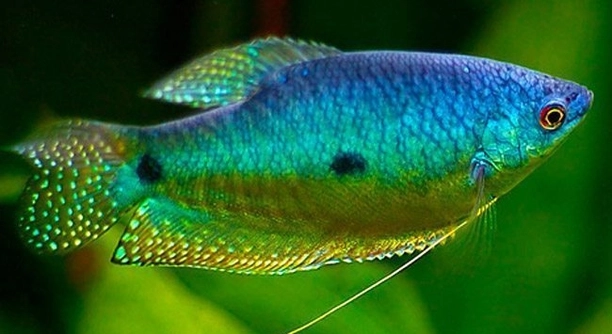
Gouramis are beautiful and peaceful fish that can become stressed during water changes. Maintaining a calm environment is important to keep them healthy and happy. Small adjustments can make a significant difference in their behavior during this routine task.
To reduce stress in gouramis during water changes, it is essential to perform gradual water replacement, maintain consistent water parameters, and minimize sudden disturbances. Providing hiding spots and gentle handling further contributes to calmer fish behavior.
These tips will help you create a more peaceful experience for your gouramis and improve their overall well-being during water maintenance.
Prepare the Tank Before Water Changes
Preparing the tank properly before starting a water change is crucial for reducing stress in gouramis. Begin by checking the temperature and pH of the new water to make sure it closely matches the current tank water. Sudden changes in these conditions can cause shock. Remove any uneaten food or debris from the tank to keep the environment clean. It is helpful to gently stir the water to avoid strong currents, as gouramis prefer calm waters. Additionally, dimming the lights slightly can help make the fish feel more secure during the process. Taking these simple steps creates a stable environment that supports calmer behavior.
Taking time to prepare the tank carefully prevents unnecessary stress and helps maintain water quality for your gouramis.
Starting with the right water conditions and a clean tank will make the change smoother for your fish. Gouramis are sensitive to sudden changes, so gradual adjustments matter. Keeping the water calm and consistent will reduce their anxiety. This preparation step makes the whole process easier, benefiting both you and your gouramis.
Use a Gentle Water Change Method
A gentle water change method is essential to keep gouramis calm.
Slowly siphoning out water and replacing it in small amounts avoids sudden shifts. Using a low flow hose prevents strong currents that can scare the fish. During water removal, avoid disturbing the substrate too much to keep the tank peaceful. Changing 10-20% of the water at a time is recommended for stability. This approach limits drastic environmental changes and helps gouramis adapt comfortably.
Performing partial water changes gradually is more effective than replacing large volumes at once. Using gentle equipment reduces noise and water movement, which decreases stress. Regular, small changes maintain water quality without overwhelming the fish. Avoiding sudden or rapid changes helps gouramis stay relaxed. This method also supports the tank’s natural balance, promoting a healthy habitat. Overall, gentle water changes contribute significantly to calmer gouramis and a well-maintained aquarium.
Maintain Stable Water Temperature
Keeping the water temperature stable during changes is vital for gourami comfort. Sudden temperature shifts can stress them and affect their health.
Use a thermometer to ensure the new water matches the tank temperature closely. If the water is too cold or too warm, acclimate it slowly before adding it to the tank. Pouring water gradually can help avoid shocking the fish. This careful approach helps maintain their natural environment and reduces stress responses. Gouramis are tropical fish, so stable warm temperatures around 75-82°F are ideal for their well-being. Monitoring and adjusting temperature before each water change is a small but important step.
Temperature stability supports the fish’s immune system and promotes calmer behavior. A few degrees difference can cause noticeable stress, so taking care here is essential.
Consistent temperature helps gouramis avoid unnecessary energy loss and maintain regular activity levels. It also prevents illnesses related to thermal shock. By prioritizing this, your fish will feel safer and adapt better during water changes.
Provide Hiding Spots and Shelter
Gouramis feel safer with adequate hiding spots in the tank. Plants, caves, or decorations offer places to retreat during stressful moments like water changes.
Natural or artificial plants soften water movement and create secure areas for the fish. Gouramis often use these shelters to calm down when sensing disturbances. Arranging decorations thoughtfully ensures there are multiple hiding options. This reduces visible stress behaviors such as rapid swimming or hiding in corners.
Including a variety of hiding places encourages natural behavior and makes the tank environment more comfortable. It also helps maintain social harmony among gouramis and other fish.
The presence of shelters decreases anxiety during water changes by giving gouramis control over their surroundings. These safe spaces act as a refuge, lowering stress hormones and supporting recovery. Properly placed plants or caves improve the aquarium’s aesthetics while benefiting the fish’s emotional health. This small adjustment enhances your gouramis’ resilience to change and fosters a peaceful tank atmosphere.
Avoid Overfeeding Before Water Changes
Overfeeding before water changes can increase waste, leading to poor water quality and more stress for gouramis. Feeding smaller portions helps maintain cleaner water.
Reducing food intake a day before water changes limits uneaten food in the tank. This simple step improves water conditions and keeps gouramis calmer during maintenance.
Use a Soft Water Flow
Strong water flow can frighten gouramis during water changes. Use equipment that produces a gentle current to avoid startling the fish.
Soft water movement mimics their natural habitat better and reduces stress. It also prevents debris from stirring up too much, which can cause discomfort.
Monitor Behavior Closely
Watching your gouramis’ behavior during and after water changes helps identify stress signs early. Changes in swimming patterns, hiding more, or loss of appetite can indicate distress.
Early detection allows for quick adjustments to water conditions or care routines, supporting fish recovery and well-being.
Keep Noise to a Minimum
Loud noises near the aquarium can increase gouramis’ stress during water changes. Keeping the area quiet helps maintain a peaceful environment for the fish.
How often should I perform water changes for gouramis?
Regular water changes are important to maintain water quality and keep gouramis healthy. Ideally, a partial water change of about 10-20% should be done once every one to two weeks. This frequency helps remove waste and toxins without causing sudden environmental shifts. If the tank is heavily stocked or feeding is frequent, more frequent water changes may be necessary. Monitoring water parameters regularly will help determine the best schedule for your specific setup.
What is the best water temperature for gouramis during changes?
Gouramis thrive in water temperatures between 75 and 82 degrees Fahrenheit (24 to 28 degrees Celsius). During water changes, it is important that the new water matches the existing tank temperature closely. Sudden temperature changes, even a few degrees, can stress gouramis. Use a reliable thermometer and slowly adjust new water if needed before adding it to the tank. Consistent temperature maintenance supports their immune system and reduces stress during transitions.
Can I change all the water at once?
Changing all the water at once is not recommended. Sudden, large water changes can shock gouramis by altering their environment drastically. Partial water changes, around 10-20% each time, keep water parameters stable and are less stressful for the fish. Gradual changes allow gouramis to adjust to new water conditions more comfortably, reducing the risk of illness or behavioral issues.
What type of water conditioner should I use?
Use a water conditioner that removes chlorine, chloramines, and heavy metals from tap water. These chemicals are harmful to gouramis and can cause stress or injury. Some conditioners also help detoxify ammonia and nitrites, adding extra protection during water changes. Always follow the instructions on the product label for proper dosing based on the volume of water being treated.
How do I acclimate gouramis to new water?
Acclimation involves slowly introducing the new water into the tank to reduce shock. When performing a water change, pour the conditioned new water slowly, allowing gouramis time to adjust to slight differences. Avoid sudden pouring or splashing. Some hobbyists mix new water with tank water in a bucket before returning it to the aquarium. This step helps maintain water parameters steadily during the change.
Is it normal for gouramis to hide during water changes?
Yes, gouramis often seek shelter or hide during water changes as a natural stress response. Providing plenty of hiding spots like plants, caves, or decorations helps them feel secure. Allow them time to calm down after the water change, and avoid excessive disturbances. Hiding is a temporary behavior and usually stops once the environment stabilizes.
How can I reduce stress if my gouramis seem agitated during water changes?
To reduce stress, perform water changes slowly and gently. Match water temperature and pH as closely as possible. Use soft water flow and avoid disturbing the substrate. Lower the tank lighting during the change to create a calmer atmosphere. Providing extra hiding spots can also help. Minimizing noise and movement around the aquarium during maintenance supports calmer behavior.
Can water changes prevent diseases in gouramis?
Regular water changes improve water quality by removing harmful waste and toxins, which helps prevent diseases. Clean water reduces the risk of infections caused by bacteria, parasites, or fungi. Maintaining a stable and healthy environment supports the gouramis’ immune systems and promotes overall well-being. However, water changes alone cannot guarantee disease prevention; good nutrition and tank hygiene are also important.
What should I do if my gouramis show signs of stress after a water change?
If you notice signs like rapid breathing, erratic swimming, or loss of appetite, first check water parameters for temperature, pH, ammonia, and nitrite levels. Make adjustments as needed to restore balance. Provide extra hiding places and reduce light intensity. Avoid feeding for a short time to reduce waste buildup. If symptoms persist, consider consulting a vet or aquarium specialist for further advice.
Are there specific times of day better for water changes?
Performing water changes during the daytime when the tank lights are on is generally best. Gouramis are more active and easier to observe then. Avoid late-night changes when fish are resting to minimize stress. Some keepers prefer early morning or midday, but the key is consistency and ensuring the tank environment remains stable afterward.
Should I clean the tank decorations during water changes?
Cleaning decorations can be part of maintenance but should be done carefully. Avoid harsh chemicals or soaps. Rinse decorations with tank water or warm water only to remove algae or debris. Excessive cleaning or scrubbing during water changes can disturb beneficial bacteria and stress gouramis. It is best to clean decorations less frequently and gently to maintain the tank’s biological balance.
How much water should I remove during a water change?
Removing about 10-20% of the tank water per change is recommended. This amount balances removing toxins and waste while keeping the environment stable. Larger water removals can cause sudden changes that stress gouramis. Smaller, more frequent changes tend to be gentler and more effective for maintaining water quality and fish health.
Is it okay to do water changes if gouramis are breeding?
Water changes can continue during breeding but should be done with extra care. Avoid disturbing the nest or fry. Use gentle water removal and replacement techniques. Keep water parameters very stable to prevent stress on both adults and offspring. Some keepers prefer smaller, more frequent changes during breeding periods to maintain ideal conditions without interruption.
What equipment helps make water changes easier and safer?
Using a siphon hose with a gentle flow control helps remove water without disturbing the substrate too much. A bucket with a spout allows for slow, controlled water replacement. Having a reliable aquarium thermometer and water test kits helps monitor conditions closely. Water conditioners and dechlorinators are essential for treating tap water. These tools simplify the process and reduce stress for gouramis.
Can stress from water changes affect gouramis long term?
Repeated or poorly managed water changes can lead to chronic stress, weakening the immune system and making gouramis more prone to illness. Maintaining calm, consistent water change routines supports long-term health. Avoiding sudden or large changes, providing shelter, and monitoring behavior will reduce ongoing stress and improve lifespan and quality of life.
Water changes are an essential part of keeping gouramis healthy and maintaining a balanced aquarium environment. They help remove waste, toxins, and excess nutrients that can build up over time. Regular water changes keep the water clean and clear, which supports the fish’s well-being. It is important to approach water changes carefully to avoid causing stress or sudden changes that can harm the gouramis. A calm and steady routine is key to keeping the tank stable and the fish comfortable.
Matching the water temperature, using gentle water flow, and avoiding loud noises during water changes can make a noticeable difference in how calm gouramis stay. Providing hiding places helps fish feel secure when the environment is disturbed. Small actions, like feeding less before water changes or slowly adding new water, reduce stress and keep gouramis more relaxed. Consistency and attention to detail during maintenance help build trust between the fish and their environment, which promotes healthier behavior over time.
In summary, caring for gouramis during water changes is about creating a gentle, stable process that minimizes sudden shifts in their habitat. Paying attention to their behavior and water quality before, during, and after changes supports their long-term health. These efforts result in calmer fish and a more enjoyable aquarium experience. By following simple tips and maintaining a steady routine, gouramis will thrive and remain a peaceful addition to any tank.

Hello,
If you enjoy the content that we create, please consider saying a "Thank You!" by leaving a tip.
Every little bit helps us continue crafting quality advice that supports the health, happiness, and well-being of pets around the world, for pets of all shapes, sizes, and species.
We really appreciate the kindness and support that you show us!