
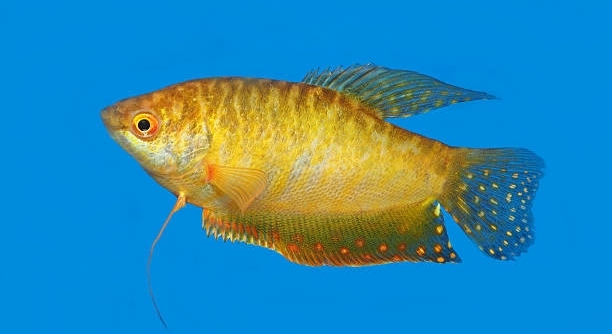
Many aquarium owners enjoy keeping gouramis for their vibrant colors and peaceful nature. Sometimes, these fish suddenly stop eating, which can cause concern. Understanding the reasons behind this behavior is important for maintaining their health and well-being.
Gouramis may ignore their food due to stress, poor water quality, illness, or changes in their environment. Nutritional deficiencies or unsuitable food types can also lead to reduced appetite, requiring careful observation and adjustment to their care routine.
Knowing why your gourami refuses to eat helps you take appropriate action. This guide will cover common causes and practical solutions to support your fish’s health and appetite.
Common Causes of Gouramis Ignoring Food
Stress is a major factor that affects a gourami’s appetite. Changes in water temperature, sudden noise, or overcrowding in the tank can cause stress, making the fish lose interest in eating. Poor water quality, such as high ammonia or nitrite levels, can also make gouramis avoid food. Illness is another reason; infections, parasites, or internal problems often lead to appetite loss. Sometimes, the fish may simply dislike the type of food offered or find it unsuitable for their diet. Gouramis need a varied diet, including flakes, pellets, and occasional live or frozen food. Overfeeding or feeding too large portions can also discourage them from eating. Monitoring these factors and keeping the tank environment stable usually helps improve their eating habits.
Maintaining consistent tank conditions is essential for keeping gouramis healthy and interested in food.
Some gouramis may take time to adjust to new environments or foods. Patience and observation are necessary to ensure their needs are met and health problems are caught early.
How to Encourage Your Gourami to Eat
Offering a variety of foods can stimulate a gourami’s appetite. Fresh live or frozen foods like bloodworms or brine shrimp are often more appealing than dry flakes alone. Feeding smaller amounts multiple times a day helps prevent overfeeding and encourages regular eating. Regularly checking water parameters ensures a clean and comfortable environment, reducing stress that might inhibit appetite. Adding plants or hiding spots can make gouramis feel secure, improving their willingness to eat. Avoid sudden changes in lighting or tank setup, as these can cause reluctance to eat. If illness is suspected, isolating the fish and consulting a veterinarian or specialist for treatment is important. Keeping a feeding schedule consistent also supports healthy habits and helps monitor appetite changes.
In summary, a balanced diet and stable tank conditions are key to encouraging gouramis to eat regularly and stay healthy.
Monitoring Water Quality
Poor water quality is one of the main reasons gouramis stop eating. Regular testing for ammonia, nitrite, nitrate, and pH levels is necessary to maintain a healthy environment.
Ammonia and nitrite are toxic to fish and can cause stress, leading to loss of appetite. Nitrate should also be kept low through regular water changes. Maintaining a stable pH within the species’ preferred range helps prevent discomfort and illness. Using a reliable water testing kit allows you to track these parameters closely. Removing uneaten food and waste reduces the buildup of harmful substances, improving overall water quality.
Consistent filtration and partial water changes, about 20-30% weekly, help maintain optimal conditions. If the water quality is poor, gouramis often become lethargic and stop eating, so addressing this quickly is vital for their recovery and well-being.
Recognizing Illness Symptoms
Loss of appetite often signals underlying illness in gouramis. Common signs include clamped fins, discoloration, or abnormal swimming behavior.
Parasites, bacterial infections, and fungal diseases are frequent causes. These illnesses weaken the fish and suppress hunger. Early detection improves treatment success. Quarantine new fish before adding them to the main tank to prevent disease spread. Observing changes in behavior or appearance daily helps identify problems early. If you notice symptoms, isolate the affected gourami and begin treatment promptly with appropriate medication. Consulting a specialist for accurate diagnosis and care recommendations is recommended to avoid worsening conditions.
Prompt action and proper tank maintenance support your gourami’s recovery and encourage appetite return.
Adjusting Feeding Habits
Overfeeding can cause gouramis to lose interest in food. Feeding smaller portions more frequently prevents waste and keeps the fish eager to eat.
Feeding once or twice a day with measured amounts helps maintain their appetite. Avoid leaving uneaten food in the tank, as it can pollute the water and stress the fish.
Tank Environment and Comfort
Gouramis thrive in a calm environment with plenty of plants and hiding places. A crowded or noisy tank can cause stress and reduce appetite. Providing a peaceful space encourages natural behavior and regular feeding.
When to Seek Professional Help
If your gourami refuses food for more than a few days or shows signs of illness, consult a vet or fish specialist. Professional advice ensures proper diagnosis and treatment.
Avoiding Sudden Changes
Sudden changes in tank setup or routine often stress gouramis. Keeping conditions consistent helps maintain their appetite and overall health.
FAQ
Why is my gourami not eating but still active?
Sometimes gouramis remain active even when refusing food. This can happen if they are stressed or adjusting to a new environment. The fish may feel uncomfortable with water quality or tank mates but are not yet sick. Monitoring water parameters and ensuring a calm environment often resolves this behavior without further issues.
Can gouramis go without food for a few days?
Yes, gouramis can survive several days without eating, especially if they are adults. However, prolonged fasting can weaken their immune system and cause health problems. If your fish stops eating for more than three days, it is important to check water quality, tank conditions, and look for signs of illness.
What foods are best for picky gouramis?
Gouramis enjoy a varied diet. Offering a mix of high-quality flakes or pellets with occasional live or frozen foods like bloodworms, brine shrimp, or daphnia encourages eating. Sometimes, introducing new food gradually helps picky gouramis accept different options. Avoid sudden diet changes as they may stress the fish.
Could my gourami be stressed from tank mates?
Yes, incompatible or aggressive tank mates can stress gouramis, causing appetite loss. Gouramis prefer peaceful fish and need enough space to avoid harassment. Observe interactions and consider separating or rearranging the tank if you notice bullying or chasing.
How often should I feed my gourami?
Feeding once or twice daily with small portions is ideal. Overfeeding leads to leftover food, water pollution, and decreased appetite. Feeding small amounts that your gourami finishes in a few minutes keeps their diet balanced and the tank clean.
Is it normal for gouramis to stop eating during breeding?
During breeding, gouramis may reduce or stop eating temporarily. This behavior is common and usually resolves once spawning is complete. Providing a calm environment and minimal disturbance during this time supports their health.
Can water temperature affect my gourami’s appetite?
Yes, gouramis are sensitive to temperature changes. Ideal temperatures range from 75 to 82°F (24-28°C). Water too cold or too warm can slow metabolism and reduce feeding interest. Keeping a stable temperature within this range helps maintain normal appetite.
What signs indicate my gourami is sick?
Signs of illness include clamped fins, faded colors, rapid breathing, lethargy, or visible spots and wounds. Loss of appetite combined with these symptoms signals a need for intervention. Early treatment improves chances of recovery.
How do I treat a sick gourami refusing food?
First, isolate the fish in a quarantine tank to prevent spreading illness. Maintain clean water and proper temperature. Use appropriate medications based on the diagnosis, such as antibiotics or antiparasitic treatments. Continue feeding with easy-to-digest foods once appetite returns.
Can poor water quality cause long-term appetite problems?
Yes, consistently poor water quality weakens gouramis and can cause chronic appetite loss. Ammonia and nitrite levels should always be zero, and nitrate should be low. Regular water changes, proper filtration, and avoiding overfeeding are essential to prevent these problems.
Should I change my gourami’s food if it stops eating?
Offering different food types may help stimulate appetite. Try live or frozen foods if flakes are ignored. However, sudden changes should be gradual to avoid additional stress. Sometimes a brief fast followed by reintroduction of familiar foods can restart feeding.
Is it normal for young gouramis to refuse food sometimes?
Young gouramis can be more sensitive to changes and occasionally refuse food. This behavior often resolves quickly with stable tank conditions and proper feeding schedules. Ensure the food is appropriate size and type for juveniles.
Can tank lighting affect my gourami’s eating habits?
Yes, too bright or fluctuating lighting may stress gouramis and reduce feeding. Using subdued lighting or providing shaded areas with plants allows gouramis to feel secure and encourages eating.
How do I prevent my gourami from becoming picky?
Feed a varied diet regularly and avoid overfeeding. Keeping a stable, stress-free environment encourages healthy eating habits. Introducing new foods slowly and maintaining good water quality also reduce pickiness.
What is the best way to introduce new gouramis to a tank?
Quarantine new fish for at least two weeks to check health and prevent disease spread. Introduce them slowly to reduce stress. Monitor interactions closely to ensure tank harmony and maintain good water quality throughout the process.
Final Thoughts
Gouramis ignoring their food can be a frustrating issue for fish owners. It often signals that something in the tank environment or the fish’s health is not quite right. Factors such as water quality, stress, illness, and feeding habits all play important roles in whether a gourami chooses to eat. Addressing these factors with care and attention helps ensure your fish remains healthy and active. Maintaining a clean tank with stable water parameters creates a foundation for good appetite and overall well-being.
Regular observation of your gourami’s behavior and appearance is key to preventing long-term problems. Changes in eating habits are often the first signs that something needs attention. Early intervention is important because prolonged refusal to eat can weaken the fish and make it more susceptible to disease. Keeping a routine that includes proper feeding amounts, compatible tank mates, and a calm environment supports your gourami’s comfort. When illness is suspected, isolating the fish and seeking proper treatment quickly can improve recovery chances.
In addition to health concerns, understanding your gourami’s natural needs helps maintain their appetite. They thrive in tanks with plants and hiding spaces that reduce stress. Feeding a varied diet with high-quality flakes, pellets, and occasional live or frozen foods encourages consistent eating. Avoid sudden changes in water temperature or feeding routines to keep your fish comfortable. Taking a methodical approach to care, combined with patience, will help your gourami regain interest in food and maintain its vitality. Consistency and attention are essential to supporting a happy and healthy fish.

Hello,
If you enjoy the content that we create, please consider saying a "Thank You!" by leaving a tip.
Every little bit helps us continue crafting quality advice that supports the health, happiness, and well-being of pets around the world, for pets of all shapes, sizes, and species.
We really appreciate the kindness and support that you show us!