
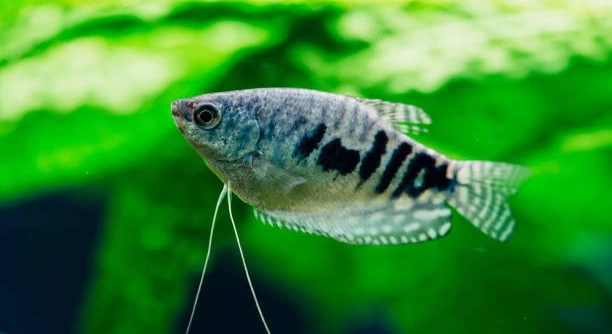
Have you ever noticed your gourami acting skittish or uneasy when the tank is near a loud appliance or speaker? Some subtle environmental factors, like vibrations, could be affecting your fish’s behavior more than you realize.
Gourami can be sensitive to tank vibrations, especially if the noise or movement is persistent and strong. Vibrations may cause stress, disrupt their natural behavior, and lead to long-term health effects if not properly managed.
Understanding how vibrations influence tank life can help you create a calmer, healthier environment for your gourami.
Why Vibrations May Affect Gourami Behavior
Tank vibrations can come from many sources—filters, air pumps, nearby electronics, or even foot traffic. For gourami, these constant or pulsing movements may cause more than just a small reaction. Their lateral line system, which helps detect motion and pressure changes in the water, is highly sensitive. Even low-level vibrations can cause them to become restless, hide more often, or refuse food. If the vibrations persist, it can lead to stress-related health problems over time. You might not notice changes right away, but gradual signs like faded color or skittish behavior are common. Some gourami will adapt over time, but others may remain affected if the vibration is too frequent or intense. Removing or adjusting the source of vibration usually helps them return to normal behavior. Careful tank placement and monitoring nearby activity are good first steps in keeping your gourami more relaxed and comfortable.
Short bursts of vibration aren’t always harmful, but continuous disturbances can slowly wear down your gourami’s sense of security.
Once vibrations start to affect their natural routines, things like feeding, swimming, and resting may become irregular. Stress hormones can increase, and that affects immunity, making your gourami more likely to catch diseases. Constant movement in the water, even if small, may interfere with their ability to sense threats or food properly. Over time, it can lead to chronic stress or even aggression in some fish. While gourami tend to be peaceful, their behavior changes when they feel unsettled. If your tank is placed on a surface that vibrates easily—such as a shared wall, a shelf near a stereo, or even a busy hallway—you may want to shift it to a more stable location. Adding soft padding under the tank stand or choosing a quieter filter type can also help reduce vibrations. Small changes like these can make a noticeable difference in your gourami’s daily comfort and activity.
How to Reduce Vibration Stress
Tank placement matters more than people often think. Placing the tank near speakers or appliances will increase stress levels over time.
Try to choose a location with less foot traffic and away from vibrating machinery like refrigerators or washers. A solid, sturdy stand can minimize transfer of movement, especially if it’s placed on a carpet or rubber mat. Consider switching to a quieter internal filter or using foam padding under noisy equipment. Even placing a soft cloth between the filter and tank wall can reduce sound and movement. You might also turn off unnecessary nearby electronics during feeding time or when lights go off at night. Pay close attention to your gourami’s habits. If they’re spending more time hiding or refusing food, vibration might be part of the issue. Don’t forget to regularly check for loose items on the tank that may rattle when equipment is running. Making small adjustments based on your home’s layout can create a noticeably calmer space for your gourami to thrive.
Signs Your Gourami May Be Stressed by Vibrations
If your gourami are hiding more, eating less, or swimming erratically, vibrations might be bothering them. These behavioral changes often show up gradually, so it’s important to pay close attention to anything that seems unusual or out of routine.
Sometimes the signs are subtle. Your gourami might start spending more time near the bottom of the tank or avoid open spaces where they used to swim freely. If they’re startled easily by movement or sound, it could be related to vibration stress. A drop in appetite or slow response during feeding is another signal. Changes in color, such as fading or dulling, may also show chronic stress. Some gourami might flare their fins more often or act aggressive toward tank mates. These are all ways they show discomfort when something in their environment doesn’t feel right. Watching closely can help you make quick changes before stress affects their health.
Stressed gourami may also become inactive and stay in one spot for long periods, usually in shaded or quiet corners of the tank. If their gills seem to be moving faster than normal, that’s another common sign of discomfort. Even if the water quality is perfect, they may still react to small physical disturbances in the tank environment. Sudden darting movements without clear cause can happen when a vibration or sound startles them. The longer the stress continues, the more it disrupts natural behaviors like exploring and resting. Keep a mental note of your gourami’s usual patterns so you can notice when something shifts. Tracking these changes over time makes it easier to link stress to a possible cause like excessive tank vibrations.
Practical Ways to Minimize Vibrations
Start by checking what’s around or under your tank. Furniture, electronics, or even floorboards can transmit motion that causes stress. Small adjustments often make a big difference in comfort.
Choose a stable stand with minimal wobble and avoid placing tanks near high-traffic walkways or vibrating electronics. If possible, add a layer of padding, like foam or rubber matting, under the stand to absorb movement. Using filters labeled “quiet” or “low-vibration” can help reduce mechanical noise. You can also place soft materials between equipment and glass surfaces to limit contact. Keep the tank in a calm room if your home tends to be busy or noisy. Try feeding your gourami when the area is quiet to help them feel more secure. Keep other pets like cats or dogs from bumping into the tank. When your gourami have a peaceful setup, they’ll show brighter colors, swim more confidently, and stick to their natural routines.
Common Sources of Tank Vibrations
Filters, air pumps, and heaters are some of the main sources of vibrations in a fish tank. When they’re not secured properly or resting against the tank walls, they can send constant motion through the water.
Nearby speakers, TVs, or heavy foot traffic can also cause vibrations. Even a wobbly stand or shelf can pass subtle movements into the tank without you noticing. Over time, these little sources can build up and disturb your gourami’s peace.
When to Consider Moving the Tank
If you’ve reduced equipment noise but your gourami still seem unsettled, it may be time to relocate the tank. Watch how they behave in different lighting and noise conditions throughout the day. If they’re calmer at certain times or when certain devices are off, use that as a guide. Try placing the tank on a solid base in a low-traffic corner of your home. Make sure nothing leans or bumps into it regularly. Avoid placing it near windows, washing machines, or busy walkways. Sometimes moving the tank just a few feet away from a noise source can bring noticeable changes in your gourami’s comfort and activity levels.
Don’t Ignore the Small Changes
Even mild stress can build up slowly, so it’s worth checking on anything that feels slightly off. Small improvements can lead to big results in your gourami’s behavior.
How sensitive are gourami to tank vibrations?
Gourami are generally quite sensitive to vibrations because of their lateral line system, which detects movements in the water. Even low-level vibrations can cause them to feel uneasy or stressed. They rely on this sense to detect food, predators, and environmental changes. Because of this sensitivity, vibrations that may seem minor to us can disrupt their natural behavior, making them hide or swim nervously. However, some gourami may adapt over time if the vibrations are not too intense or constant. The level of sensitivity can vary depending on the individual fish and the environment, but it’s best to minimize any unnecessary disturbances to keep them comfortable.
Can vibrations cause long-term health issues for gourami?
Yes, ongoing exposure to vibrations can cause long-term health problems for gourami. Stress from constant disturbances weakens their immune system, making them more vulnerable to infections and diseases. It also affects their feeding habits, growth, and overall activity levels. When stressed, gourami may stop eating properly or become less active, which can lead to malnutrition or other complications. Chronic stress can also shorten their lifespan. Preventing these issues means controlling the tank environment and reducing any sources of vibration whenever possible. Regular observation of your gourami’s behavior helps catch early signs of stress before it becomes harmful.
What are the most common sources of tank vibrations?
The most frequent causes of tank vibrations include water filters, air pumps, and heaters, especially if they are not installed or maintained properly. These devices produce mechanical movement that can transfer through the tank glass and water. Other sources include nearby electronics such as speakers, televisions, or refrigerators. Foot traffic around the tank, shaking furniture, and even vibrations from household appliances like washing machines can also affect the tank. Sometimes the stand or surface the tank sits on isn’t stable, which adds to the problem. Identifying these sources is key to reducing their impact on your gourami.
How can I test if vibrations are affecting my gourami?
Observe your gourami closely at different times of the day, especially when various household appliances or electronics are turned on or off. Notice if their behavior changes when nearby devices are running or when there is heavy foot traffic. Try temporarily moving the tank or turning off equipment to see if they become calmer. If your gourami hide less, swim more naturally, or feed better during quieter periods, vibrations are likely the cause. You can also gently touch the tank or the stand to feel if there are noticeable movements or shaking. This simple testing helps you pinpoint what triggers the stress.
Are all gourami affected equally by vibrations?
Not all gourami respond the same way to vibrations. Some species and individual fish are more sensitive, while others may tolerate mild vibrations better. Factors like age, health, and personality also play roles. Younger or weaker gourami might show signs of stress more quickly, while older or more experienced fish might adapt. However, even if a fish appears tolerant, long-term exposure to vibrations can still affect its well-being. It’s safest to assume all gourami benefit from a stable, low-vibration environment.
What steps can I take to reduce tank vibrations?
Start by placing your tank on a solid, stable stand that doesn’t wobble or shake easily. Use padding like foam or rubber mats under the tank stand to absorb vibrations. Check that filters, air pumps, and heaters are securely installed and not touching the tank glass directly. Switching to quieter or low-vibration equipment helps a lot. Position the tank away from heavy foot traffic areas, noisy appliances, and speakers. You can also surround the tank with soft materials to minimize noise and movement. Keeping the environment calm during feeding and nighttime can reduce stress on your gourami.
Can I use decorations or plants to help gourami feel safer from vibrations?
Yes, adding live or artificial plants and decorations can give your gourami places to hide and feel protected, which helps reduce stress from vibrations. Dense planting creates safe spots where they can retreat if they feel disturbed. Floating plants can also help dampen light and noise. Decorations that reduce water movement caused by vibrations can also help your gourami feel more secure. Just make sure decorations don’t block filters or create strong currents, which could add to their stress instead of easing it.
Is it normal for gourami to be more active at certain times despite vibrations?
Gourami often have natural activity cycles and may be more active during feeding times or when the tank lights are on. Even if there are vibrations, they might still swim and explore during these periods. However, if vibrations are severe, you’ll notice their activity becomes limited or erratic outside these times. Activity patterns vary, but stress from vibrations generally causes more hiding and less movement overall. Monitoring changes in their routine helps gauge how much vibrations affect them.
Should I be concerned about vibrations if I have multiple gourami in the same tank?
Yes, because vibrations can cause stress that affects all fish in the tank, including multiple gourami. Stress may increase aggression or competition among them, disrupting the peaceful balance. Some gourami might become territorial or hide excessively, while others might swim nervously. Maintaining a stable, low-vibration environment benefits the entire tank community. Watching how your gourami interact and behave together can reveal if vibrations are causing group stress.
How quickly can gourami recover once vibrations are minimized?
Recovery times vary based on how long the gourami were exposed to vibrations and the level of stress they experienced. Some gourami may show improvement in behavior within a few days after the environment becomes stable. Others might take weeks to regain full color, appetite, and natural activity levels. Providing clean water, a balanced diet, and a calm tank environment supports their healing process. Reducing vibrations early prevents prolonged stress and helps gourami return to normal more quickly.
Final Thoughts
Tank vibrations can affect gourami more than many fish keepers realize. These subtle movements travel through the water and may cause stress or discomfort for your fish. Gourami rely heavily on their ability to sense changes in their environment, so even small vibrations can impact their behavior. Over time, this stress can affect their health and well-being. It’s important to pay close attention to the environment around your tank, as what seems like minor vibrations to us might be very noticeable to them.
Making simple changes can help reduce the impact of vibrations on your gourami. Placing your tank on a stable, padded surface and using quiet, well-maintained equipment can make a big difference. Avoid areas with heavy foot traffic or loud appliances nearby. Watching how your gourami respond when certain devices are on or off helps identify problem sources. Giving them plenty of hiding spots with plants and decorations can also provide comfort during stressful times. Taking these steps creates a more peaceful and natural environment for your fish.
Remember that each gourami may react differently to vibrations depending on their species, age, and personality. Some may be more sensitive while others might adapt better over time. Regular observation is key to understanding your fish’s needs. If you notice unusual behavior or signs of stress, look for ways to reduce disturbances in their tank. Keeping their environment calm and stable supports their health and allows them to thrive. Ultimately, small efforts to minimize vibrations go a long way in maintaining a happy, healthy home for your gourami.

Hello,
If you enjoy the content that we create, please consider saying a "Thank You!" by leaving a tip.
Every little bit helps us continue crafting quality advice that supports the health, happiness, and well-being of pets around the world, for pets of all shapes, sizes, and species.
We really appreciate the kindness and support that you show us!