
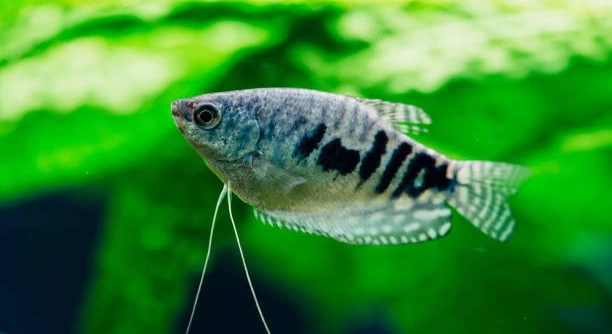
Gouramis are fascinating fish often admired in home aquariums. They have unique behaviors that make them interesting to observe. One such behavior is their noticeable preference for the left side when swimming or resting.
Research shows that gouramis tend to favor the left side due to brain lateralization, which means their brain processes information unevenly. This side preference helps them navigate, avoid predators, and interact with their environment more efficiently.
Exploring this behavior helps us understand more about how gouramis adapt to their surroundings and thrive in aquatic habitats.
Understanding Brain Lateralization in Gouramis
Gouramis, like many animals, have brains divided into two halves, each handling different tasks. This division is called lateralization. In gouramis, the left side of the body is often controlled by the right side of the brain, which focuses on recognizing threats and navigating safely. Because of this, gouramis naturally favor their left side, using it to better watch for danger or obstacles. This behavior helps them react faster to changes in their environment. It is an advantage when swimming near plants or other fish, as they can keep a lookout without turning their whole body. Lateralization is common in many fish and helps improve survival. Watching gouramis prefer one side is a clear sign of how their brain guides their actions in subtle ways, showing how even small fish have complex behavior patterns based on brain function.
Left-side preference supports safer movement and better awareness in their tank or natural habitat.
Learning about brain lateralization offers insight into how gouramis interact with their environment and why they act the way they do.
How Environment Influences Side Preference
The space gouramis live in affects how they use their preferred side.
Environmental factors like tank shape, lighting, and decorations can shape gouramis’ side preference. For example, if one side of the tank has more plants or hiding spots, gouramis may spend more time on that side to feel safe. Lighting can also affect which side they use more, as fish tend to avoid bright areas if they feel exposed. Social interactions matter, too—gouramis might position themselves so their preferred side faces other fish or owners. These influences add complexity to their behavior and make their side preference more than just brain function. Changes in their environment can shift how and when gouramis use their left side. By adjusting the tank setup, fish keepers can better support natural behavior and reduce stress in their gouramis, making the fish healthier and more active overall.
Impact of Social Behavior on Side Preference
Gouramis often show side preference during interactions with other fish. They may approach or watch others using their favored side, which helps them communicate or establish dominance.
Social behavior shapes side preference by influencing how gouramis position themselves in groups. When swimming with other fish, they often keep their left side toward companions or rivals. This positioning helps them monitor movements and react quickly. Dominant gouramis might use their preferred side to display aggressive signals, while shy fish rely on it to stay alert. Side preference during social moments also supports coordinated swimming, which reduces conflicts and stress in the tank. These behaviors show that side preference is part of how gouramis manage relationships and maintain balance within their social circles.
This interaction between brain lateralization and social cues makes gouramis’ left-side preference a key part of their daily life and survival.
Side Preference and Feeding Habits
Gouramis tend to favor the left side when feeding, which is linked to their brain’s control of motor skills and attention. This side helps them focus better on food and react quickly.
When feeding, gouramis often approach food from their left side, allowing them to use the right brain hemisphere, which processes detailed information. This preference improves their accuracy in grabbing food and avoiding competition from other fish. Fish keepers might notice gouramis turning or swimming mostly on one side during feeding times. Side preference during feeding is also connected to how they coordinate mouth and body movements efficiently. This behavior increases their chances of getting enough food in crowded tanks or natural environments. Understanding this can help aquarists offer food in ways that match gouramis’ natural tendencies, reducing stress and ensuring better nutrition. Feeding behavior linked to side preference highlights how brain function supports important survival actions.
Side Preference and Predator Awareness
Gouramis rely on their left side to detect predators early. This side’s stronger connection to the brain helps them respond faster to threats.
By favoring the left side, gouramis can better watch for danger while staying calm and ready to escape if needed.
The Role of Genetics in Side Preference
Genetics play a significant role in gouramis’ left-side preference. This trait is often inherited, meaning it can be passed down through generations. Different gourami species may show varying degrees of side preference based on their genetic makeup. Research suggests that genes influence how the brain develops and controls motor functions, which in turn affects behavior like side preference. Understanding the genetic basis helps explain why some gouramis are more strongly lateralized than others. It also highlights the natural diversity in how these fish interact with their environment and perform essential activities such as swimming and feeding.
Observing Your Gourami’s Behavior
Watching your gourami closely can reveal its side preference. Notice which side it favors during swimming or feeding.
Why do gouramis prefer the left side?
Gouramis prefer the left side mainly because of brain lateralization. Their brain processes information unevenly, with the right hemisphere—controlling the left side of the body—better at detecting threats and handling complex movements. This natural preference helps gouramis stay alert and respond quickly to changes in their environment.
Is side preference common in other fish too?
Yes, many fish show side preferences due to similar brain lateralization. It helps them improve survival by focusing attention on one side for better navigation, feeding, or predator awareness. This behavior is not unique to gouramis but is especially noticeable in them.
Can side preference change over time?
Side preference tends to be consistent but can shift slightly depending on environmental factors like tank setup or social dynamics. If one side becomes more comfortable or safer, gouramis might use it more. However, strong brain lateralization usually keeps their preference stable.
Does tank size affect side preference?
Tank size can influence how often gouramis use their preferred side. In smaller tanks, limited space may reduce visible side preference since movement is restricted. Larger tanks allow more natural behavior, making side preference clearer during swimming and feeding.
How does social interaction influence their side choice?
Social interactions affect side preference because gouramis position themselves based on other fish’s locations. They often face companions or rivals using their left side to monitor actions carefully. This helps in communication and maintaining social order within the group.
Is side preference linked to feeding habits?
Yes, gouramis often approach food with their preferred side to use their brain’s stronger motor control and attention capabilities. This allows more precise feeding and quicker reactions, especially in competitive feeding situations.
Can side preference indicate health problems?
Usually, side preference is normal behavior. However, if a gourami suddenly favors one side excessively or swims awkwardly, it might indicate health issues like injury or neurological problems. Monitoring changes in behavior helps catch problems early.
Does lighting in the tank impact side preference?
Lighting can influence gouramis’ side preference. Fish tend to avoid bright or stressful areas, so if one side is better lit or shaded, gouramis might spend more time there. This environmental factor can reinforce or alter their natural side choice.
Are some gourami species more lateralized than others?
Different gourami species may show varying degrees of side preference depending on genetics and environmental adaptation. Some species have stronger lateralization, meaning they rely on one side more consistently, while others might be less predictable.
Can you train a gourami to change its side preference?
Training gouramis to switch side preference is difficult because it is largely controlled by brain function. However, changing tank setup or feeding position might encourage them to use the less preferred side occasionally, though their natural bias usually remains.
Does side preference help gouramis avoid predators?
Yes, using the left side allows gouramis to keep better watch for predators. This side is connected to brain regions specialized in recognizing threats, so it helps fish detect danger early and escape if needed.
How can I observe my gourami’s side preference?
Watch your gourami during feeding, swimming, or social interactions. Notice which side they turn toward food or other fish, or which side they seem to watch the most. Consistent patterns show their preferred side clearly.
Should I change my tank setup to support their side preference?
Adjusting the tank to balance features on both sides can reduce stress and support natural behavior. Providing hiding spots, plants, or decorations evenly encourages comfortable use of both sides, helping gouramis feel secure.
Does side preference affect breeding behavior?
Side preference may influence how gouramis position themselves during courtship or nest building. Favoring one side could help them focus better on mating behaviors or protect their territory more effectively.
Is side preference related to swimming speed or style?
The preferred side often controls finer motor skills, allowing smoother swimming on that side. This can result in subtle differences in speed or turning ability, helping gouramis navigate efficiently in their environment.
Can side preference change with age?
Side preference is usually stable but may become more noticeable as gouramis mature and develop stronger brain lateralization. Young fish might show less clear preference until their brain and behavior fully develop.
Does diet affect side preference?
Diet itself doesn’t directly change side preference, but how and where food is offered can influence which side gouramis use more. Feeding on one side may encourage repeated use, reinforcing their natural bias.
Are there signs that side preference is causing problems?
If a gourami uses one side excessively to the point of imbalance, injury, or difficulty swimming, it could be a problem. Watching for uneven scales, fins, or behavior helps spot these issues early.
How does side preference affect tank decorations placement?
Placing decorations evenly on both sides allows gouramis to use their preferred side without feeling forced to switch. This supports natural swimming patterns and reduces stress caused by forced navigation changes.
Can stress change a gourami’s side preference?
Stress can make gouramis more cautious, possibly increasing use of their preferred side as a safety behavior. Sudden changes in tank conditions or aggressive tank mates might strengthen side bias temporarily.
Is side preference unique to gouramis or common in other animals?
Side preference is common in many animals, including birds, mammals, and fish. It is part of how brains specialize functions to improve efficiency, showing that lateralization is an important survival trait across species.
Gouramis’ preference for the left side is a natural and interesting behavior shaped by how their brains work. This side preference helps them in many important ways, such as spotting danger, finding food, and interacting with other fish. Because their brain is divided into two halves that handle different tasks, gouramis rely more on one side to stay alert and move efficiently. This is not something unusual or a problem, but rather a part of their normal behavior that helps them survive and thrive in their environment.
The environment where gouramis live also plays a role in their side preference. Things like the size of the tank, the arrangement of plants or decorations, and the presence of other fish all influence how and when they use their preferred side. If one side of the tank offers more hiding spots or feels safer, gouramis may spend more time there. Their social interactions with other fish further affect their positioning and behavior, showing that side preference is a flexible trait influenced by both brain function and surroundings. Fish keepers who understand this can create better habitats that support gouramis’ natural behavior, helping them stay calm and healthy.
Watching and understanding gouramis’ side preference can improve how we care for them. By observing which side they favor during swimming, feeding, or social moments, owners can learn more about their fish’s needs and comfort levels. Small changes in tank setup or feeding routines might help gouramis feel more secure and active. Overall, the left-side preference is a natural part of gouramis’ behavior and brain function. Recognizing and supporting this can lead to a happier and healthier fish that is easier to care for over time.

Hello,
If you enjoy the content that we create, please consider saying a "Thank You!" by leaving a tip.
Every little bit helps us continue crafting quality advice that supports the health, happiness, and well-being of pets around the world, for pets of all shapes, sizes, and species.
We really appreciate the kindness and support that you show us!