
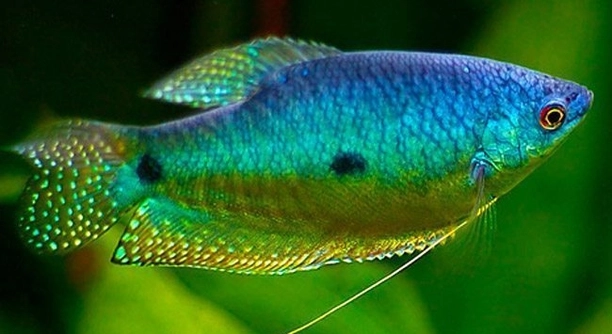
Gouramis are popular freshwater fish known for their gentle nature and interesting behaviors. Many aquarium owners notice that these fish often swim in slow circles. This behavior is quite common and can be observed in many gourami species.
Gouramis swim in slow circles mainly as a territorial and mating behavior. This circling helps them communicate with other fish, establish dominance, or prepare for breeding. It is a natural and instinctive action seen in healthy gouramis.
Understanding why gouramis swim this way can help owners better care for their fish. There are important details behind this simple movement that reveal much about their behavior and well-being.
Why Gouramis Swim in Circles
Gouramis swim in slow circles mainly to show their territory or attract a mate. When a gourami circles, it signals to other fish nearby that this area belongs to them. This helps reduce fights by making boundaries clear. Circling is also part of their courtship ritual during breeding. The male gourami will swim in circles around a female to catch her attention and show his strength. Sometimes, this behavior is a way for gouramis to explore their environment or relieve stress. Watching these slow, graceful movements can be calming and tells us a lot about their needs. If you see your gourami circling often, it might be because they feel the need to establish themselves or are preparing for mating. It’s a natural part of how they communicate without causing harm to other fish in the tank. This behavior keeps the aquarium peaceful and balanced.
Gouramis use circling to communicate with other fish and express themselves without direct confrontation.
This circling can also be a response to changes in their surroundings. For example, new fish or objects in the tank might cause them to swim in circles as they assess the situation. When gouramis feel safe and comfortable, their movements become more relaxed and less frequent. Tank size and environment also play a role; a cramped tank can increase this behavior due to stress or territorial disputes. Providing enough space and hiding spots can help reduce excessive circling and keep your gouramis calm.
How to Support Your Gourami’s Natural Behavior
Observing your gourami’s circling is useful, but knowing how to support this behavior is equally important.
Create a calm environment by providing plenty of plants and hiding places. Gouramis like to have spots where they feel secure, which lowers stress and reduces aggressive circling. Make sure the tank is large enough so each fish can have its own space. Clean water and stable temperature also help keep them comfortable. Avoid overcrowding the tank, as it increases competition and causes more territorial behavior.
Regularly monitor your gouramis’ interactions. If circling becomes aggressive or constant, it might indicate stress or health issues. Sometimes, changes like introducing a new tank mate can trigger this behavior, so observe carefully. Supporting their natural habits through good tank management makes a happier, healthier environment for your fish. This leads to less stress for you and your gouramis, making your aquarium a peaceful place to watch.
Circling as a Sign of Stress
Gouramis may swim in slow circles when they feel stressed. This behavior helps them cope with changes or discomfort in their environment.
Stress can come from many sources like poor water quality, overcrowding, or sudden changes in the tank. When a gourami is stressed, circling becomes a repetitive action, almost like a nervous habit. It’s important to watch for other signs like loss of appetite or hiding. Stress weakens their immune system, making them prone to illness. Fixing water conditions and reducing disturbances can help calm them down and stop excessive circling.
Sometimes, stress-related circling means the gourami is trying to find a safe spot or avoid conflict. Adding plants or decorations can create hiding places, making them feel more secure. Keeping the tank stable and peaceful reduces stress and improves overall health. By paying attention to these behaviors, you can create a better home for your gouramis.
Circling and Social Behavior
Gouramis use circling to interact socially with tank mates. This behavior can show dominance or submission within the group.
In a community tank, gouramis establish a social order through circling and other movements. Dominant fish often circle more to show control over space. Subordinate fish may swim less or avoid these areas. This helps keep peace by setting clear roles. Watching these social interactions can be fascinating and teaches you about gourami personalities.
Proper tank setup reduces aggression. Giving each fish enough room and hiding spots prevents conflict. If a fish is overly aggressive, separating them might be necessary to protect others. Understanding social cues like circling helps maintain harmony in the tank, ensuring all gouramis coexist happily.
Circling During Feeding
Gouramis sometimes swim in circles when they expect food. This behavior shows excitement or anticipation.
They learn feeding times quickly and may circle near the surface or the feeding spot. It’s a way to stay alert and ready when food arrives.
Impact of Tank Size on Circling
Smaller tanks can cause gouramis to circle more often. Limited space increases territorial behavior and stress.
Providing a larger tank reduces the need for constant circling. It gives each fish enough room to swim freely and feel secure. A spacious environment encourages calmer behavior and healthier fish overall.
Watching for Abnormal Circling
If a gourami’s circling is fast or frantic, it might indicate illness or injury. Such behavior requires immediate attention to ensure the fish’s health and safety.
FAQ
Why do gouramis swim in circles so slowly?
Gouramis swim in slow circles mainly to communicate or mark their territory. The slow pace helps them conserve energy while signaling to other fish. This behavior is gentle and non-threatening, allowing them to establish boundaries or attract mates without causing stress in the tank.
Is slow circling normal for all gourami species?
Yes, slow circling is common across many gourami species, including pearl, dwarf, and kissing gouramis. While the intensity and frequency may vary, this behavior is part of their natural instincts. It reflects their ways of interacting with their environment and other fish.
Can slow circling mean my gourami is sick?
Not usually. Slow circling is mostly normal behavior. However, if the circling becomes erratic, fast, or accompanied by other signs like lethargy, loss of appetite, or clamped fins, it could indicate health problems. In such cases, water quality and disease should be checked.
Does tank size affect how often gouramis swim in circles?
Yes, tank size plays a big role. Smaller tanks can make gouramis feel crowded, leading to more frequent circling as they compete for space. Larger tanks reduce stress and territorial disputes, allowing calmer, less frequent circling.
Should I be worried if my gourami circles all day?
Constant circling might suggest stress or discomfort. Check the water parameters, tank mates, and environment for any problems. Ensuring good water quality, enough hiding spots, and proper tank size often reduces this behavior. If it continues, a vet consultation may help.
Is circling related to breeding behavior?
Definitely. Circling is part of courtship in gouramis. Males often swim slowly around females to attract them and show readiness to mate. This behavior helps form bonds and encourages spawning. If you see circling increase during breeding season, it’s a good sign.
Can other fish trigger gouramis to swim in circles?
Yes, the presence of new or aggressive fish can cause gouramis to circle more as a defensive or territorial response. It’s their way of assessing threats or protecting space. Keeping compatible tank mates reduces this stress and excessive circling.
How can I reduce excessive circling in my gouramis?
Improving tank conditions is key. Provide a spacious tank, plenty of plants, and hiding places. Keep water clean and stable, and avoid overcrowding. These changes make gouramis feel safe and reduce the need to circle aggressively or nervously.
Is circling a sign of happiness in gouramis?
Circling itself doesn’t mean happiness, but normal slow circling indicates healthy social and territorial behavior. When combined with active swimming, good appetite, and clear eyes, it shows your gourami is comfortable and well-adjusted.
Can circling damage my gouramis or other fish?
No, slow circling is generally harmless. It is a natural way to communicate without physical aggression. However, if circling turns into chasing or bumping, it can cause stress or injury, so monitor interactions carefully.
What should I do if circling becomes aggressive?
Separate overly aggressive gouramis or adjust tank setup. Adding more hiding spots and space can help reduce tension. If aggression persists, consider rearranging the community tank or consulting an aquatic specialist for advice.
How often do gouramis swim in circles when they are relaxed?
Relaxed gouramis circle less frequently and their movements are smooth and slow. This indicates they feel secure in their environment and have established their territory peacefully.
Does feeding affect circling behavior?
Yes, gouramis often circle near feeding times. This anticipatory behavior shows excitement and readiness to eat. Regular feeding schedules help gouramis feel secure, which can moderate circling related to stress.
Can circling help identify gourami personality?
To some extent, yes. More active or dominant gouramis circle more to show control, while shy or submissive ones circle less or avoid it. Observing circling helps understand individual fish behavior and social dynamics in the tank.
Are there any signs that circling is linked to environmental problems?
If circling increases suddenly or becomes frantic, it might signal poor water quality, temperature shifts, or overcrowding. These stressors can cause abnormal behavior, so testing water and adjusting the environment is essential.
Is it okay to let gouramis circle freely in the tank?
Yes, slow circling is natural and doesn’t harm your fish. It’s best to let them express this behavior while ensuring the tank environment supports their comfort and health. Watching these movements can deepen your connection to their nature.
Gouramis swimming in slow circles is a common behavior that serves many purposes. It is mostly a way for them to communicate with other fish, mark their territory, or show interest during mating. This gentle movement is part of their natural instincts and helps keep the aquarium environment balanced. Watching your gouramis circle can give you clues about how they feel and interact with their surroundings. It is important to remember that this behavior is normal and usually not a cause for concern unless it becomes excessive or changes suddenly.
Understanding why gouramis swim in circles can help you take better care of them. If you notice your gouramis circling more than usual, it could be a sign of stress caused by factors like poor water quality, overcrowding, or new tank mates. Providing a spacious tank with plenty of plants and hiding places can reduce stress and create a more comfortable home for your fish. Keeping the water clean and stable is also essential to their health and well-being. When gouramis feel safe and secure, their circling tends to be calm and less frequent.
Paying attention to your gouramis’ behavior allows you to spot potential problems early. Slow circling is usually a positive sign of natural behavior, but rapid or frantic swimming may indicate illness or injury. Observing these patterns can help you respond quickly by checking the tank conditions or seeking advice from an aquatic specialist. Creating a peaceful environment where your gouramis can express themselves naturally is the best way to enjoy their unique personalities and maintain a healthy aquarium.

Hello,
If you enjoy the content that we create, please consider saying a "Thank You!" by leaving a tip.
Every little bit helps us continue crafting quality advice that supports the health, happiness, and well-being of pets around the world, for pets of all shapes, sizes, and species.
We really appreciate the kindness and support that you show us!