
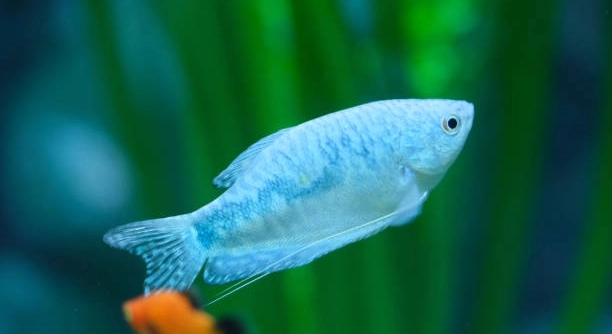
Do you ever notice your gourami acting differently and wonder if it might be feeling lonely in its tank?
Gouramis can show signs of loneliness through behaviors like hiding, reduced activity, lack of appetite, and aggression. These changes often indicate social or environmental stress that affects their overall health and well-being.
Recognizing these signs early can help improve your gourami’s quality of life and prevent long-term behavioral issues in your aquarium.
Reduced Activity and Hiding
When a gourami starts to spend more time hiding or staying still near the bottom of the tank, it’s often a sign something is off. A normally active gourami will swim around calmly and explore its space. When that behavior fades, it may be feeling isolated or unwell. Stress caused by lack of stimulation or interaction can lead to low energy and more time spent hiding. It’s important to check for other signs, but reduced activity on its own is a clear warning. Make sure your tank offers both hiding spaces and open swimming areas to support natural behaviors.
Pay attention to how much time your gourami spends out in the open. A consistent drop in activity can be your first clue.
Lonely gouramis sometimes react to their environment by withdrawing. This behavior can worsen if they’re kept in a tank with no other fish or if the lighting is too harsh. When a gourami doesn’t feel safe or stimulated, it will naturally retreat to shaded or hidden areas. If you notice this happening more often, consider ways to improve the environment—add more plants or decorations, and ensure the tank is in a quiet location. These small changes can help your gourami feel more secure and active again.
Loss of Appetite
A sudden lack of interest in food can mean your gourami is experiencing emotional or social stress.
Appetite changes are commonly linked to emotional well-being in fish, not just physical illness. If your gourami starts to ignore its regular meals or only nibbles lightly, it may be feeling disconnected from its surroundings. Loneliness can trigger this, especially in species that prefer a social setting or regular interaction. Make sure you’re offering a balanced diet, but also think about the tank’s setup. A dull or empty tank won’t engage your fish, which can lead to boredom and emotional withdrawal. Try introducing new tank elements, soft lighting, or a gentle filter flow to recreate a more natural, soothing environment. Adding compatible tank mates can also help, but only if the tank is large enough and properly cycled. Pay close attention to feeding times and track any changes. A slow return to normal eating habits often follows environmental improvement.
Changes in Color and Appearance
A lonely gourami may begin to lose its vibrant color. This dullness is often tied to stress, which can come from a lack of interaction, poor environment, or boredom. Watch for pale patches or faded markings.
Color changes in gouramis are influenced by their emotional and physical state. When they’re content, their scales remain bright and healthy-looking. But isolation or lack of stimulation can lead to visible fading. Sometimes this change happens slowly, making it easy to overlook. In other cases, the shift is sudden, especially after a tank change or removal of a companion fish. It’s helpful to compare photos over time to see if the color loss is gradual. If it is, review your tank conditions—water quality, lighting, and space all play a role. A lonely fish may also appear more translucent, especially around the fins, showing another physical signal of stress.
Stress from loneliness doesn’t always show up in behavior first. Color change can be one of the earliest signs. If your gourami is no longer looking as bold or lively, take note. A change in appearance is your fish’s way of signaling that it doesn’t feel balanced or safe. Ensuring consistent water parameters, offering enrichment, and considering peaceful tank mates can support a return to normal color and health.
Aggression Toward Tank Mates
Gouramis that feel lonely or unsettled sometimes act out by becoming aggressive toward others in the tank. This behavior can happen suddenly, even in fish that were previously calm.
Aggression may show up as chasing, nipping, or guarding one part of the tank. These actions often result from frustration and lack of interaction. While it seems contradictory, loneliness can make a gourami territorial if it feels insecure or overstimulated by changes around it. A tank that’s too small, poorly decorated, or lacks hiding areas can add to this stress. If you notice this behavior, try rearranging the tank layout to break sightlines and offer new hiding spots. Adding floating plants or dividing the space visually can calm your fish. It’s also important to make sure your gourami isn’t housed with fish that are too active or aggressive themselves. Gentle species that won’t challenge it may reduce stress.
Glass Surfing or Pacing
Glass surfing is when a gourami repeatedly swims along the tank walls. It’s often a sign of stress, boredom, or loneliness. This repetitive movement can also mean the fish is trying to interact or escape its environment.
When a gourami doesn’t feel engaged or secure, it may start pacing. This behavior is tiring and can lead to physical stress. A tank with poor layout or few hiding spots can make the fish feel trapped. Enriching the space and adding gentle tank mates may help reduce pacing.
Lack of Bubble Nest Building
Male gouramis often build bubble nests when they feel secure and comfortable. A lonely or stressed gourami may stop this behavior entirely. Nest building is linked to well-being, so its absence could indicate emotional stress or environmental dissatisfaction. Ensuring the right water conditions, a peaceful setting, and visual stimulation may encourage natural nesting behavior again.
Skittish Reactions
Frequent darting or quick hiding when someone approaches the tank can signal that your gourami is feeling unsettled. This nervous behavior is common when a fish lacks a sense of safety or consistent routine. Reducing noise and adjusting the tank setup can help build confidence.
How can I tell if my gourami is lonely?
Loneliness in gouramis shows through specific behaviors and physical signs. Reduced activity, hiding frequently, loss of appetite, dull coloration, and pacing along the tank walls are common indicators. Aggression toward tank mates and lack of bubble nest building can also signal stress related to isolation. Watching your gourami’s normal routine helps identify when something changes.
What causes gouramis to become lonely?
Gouramis are social fish that need interaction or environmental stimulation. A lack of companions, insufficient tank enrichment, or an environment that doesn’t mimic their natural habitat can cause loneliness. Tanks that are too small, poorly decorated, or have inappropriate lighting add to stress. Changes in tank mates or water quality can also affect their emotional state.
Can gouramis live alone?
While some gouramis tolerate living alone, many species prefer at least one companion. Social interaction supports their mental and physical health. Isolated gouramis can develop stress behaviors and health problems. If a tank mate isn’t possible, providing plenty of hiding spaces, plants, and visual stimulation becomes essential to reduce loneliness.
How do I help a lonely gourami?
Improving your gourami’s environment is key. Add live or artificial plants, hiding spots, and gentle tank mates if space allows. Ensure stable water parameters and reduce noise or sudden movements near the tank. Feeding a balanced diet on a regular schedule helps maintain health. Observation over time will show if these changes help your gourami feel more secure.
Is aggression in gouramis always due to loneliness?
Aggression can result from various factors, but loneliness is a common trigger. Stress from isolation may cause territorial or defensive behavior. Tank overcrowding, incompatible species, or poor water conditions also cause aggression. Identifying the exact cause requires careful observation and sometimes adjusting tank conditions or inhabitants.
Why does my gourami stop building bubble nests?
Bubble nest building is a sign of comfort and breeding readiness, mainly in males. Stress, loneliness, or poor water conditions can stop this behavior. If your gourami is isolated or the environment is not ideal, it may no longer feel safe or healthy enough to build nests. Improving tank conditions often helps restore this natural behavior.
How important is tank size for gourami social behavior?
Tank size significantly impacts gourami well-being. Small tanks limit space for movement and territory, increasing stress and loneliness. A larger tank allows room for companions and enrichment, reducing aggressive encounters and boredom. Providing at least 20 gallons for one gourami is recommended, with more space for multiple fish.
Can I add other fish to keep my gourami company?
Adding tank mates can help reduce loneliness, but compatibility is crucial. Choose peaceful species that won’t outcompete or harass your gourami. Avoid aggressive or overly active fish. Gradual introductions and monitoring are necessary to prevent stress. Plants and decorations should offer hiding places to ease social tensions.
How do I improve the tank environment for my gourami?
A well-decorated tank with plants, caves, and soft lighting creates a natural, calming environment. Stable water parameters—temperature, pH, and cleanliness—are essential. Regular maintenance, including partial water changes, supports health. Enrichment through varied feeding and gentle water flow mimics natural conditions and keeps your gourami engaged.
What signs show my gourami’s stress is improving?
Improved activity levels, brighter colors, regular feeding, reduced aggression, and the return of natural behaviors like bubble nest building indicate recovery. Your gourami may spend more time exploring and less time hiding. Changes may take weeks, so patience and consistent care are important for long-term well-being.
Final thoughts on identifying and addressing loneliness in gouramis focus on careful observation and timely action. Gouramis are sensitive fish that respond visibly to their environment and social conditions. Noticing subtle changes, such as fading color, unusual aggression, or pacing, is essential to maintaining their well-being. These signs often indicate stress linked to loneliness or inadequate tank conditions. Taking these indicators seriously allows owners to intervene before health issues worsen. Regular monitoring of behavior and appearance helps detect problems early. This proactive approach is key to supporting a healthy, balanced aquarium.
Creating a suitable environment is the best way to prevent loneliness in gouramis. This includes providing enough space, stable water conditions, and a tank setup that encourages natural behaviors. Adding plants, hiding spots, and gentle companions can significantly reduce stress. Each element of the tank should be chosen to support the gourami’s comfort and mental stimulation. For solitary gouramis, enrichment like varied feeding routines and visual stimulation becomes especially important. An enriched environment prevents boredom and encourages positive interactions. Proper care goes beyond basic maintenance—it involves understanding the fish’s social needs.
Patience and consistency are critical when helping a lonely gourami recover. Improvements may take time, as the fish adjusts to new conditions or companions. Sudden changes can cause more stress, so gradual adjustments are advisable. Regular water testing, careful observation, and thoughtful tank management contribute to long-term success. Understanding gouramis as social creatures with specific needs fosters better care and stronger fish health. With attention and effort, it is possible to provide a supportive environment where gouramis thrive, displaying their natural colors and behaviors fully.

Hello,
If you enjoy the content that we create, please consider saying a "Thank You!" by leaving a tip.
Every little bit helps us continue crafting quality advice that supports the health, happiness, and well-being of pets around the world, for pets of all shapes, sizes, and species.
We really appreciate the kindness and support that you show us!