
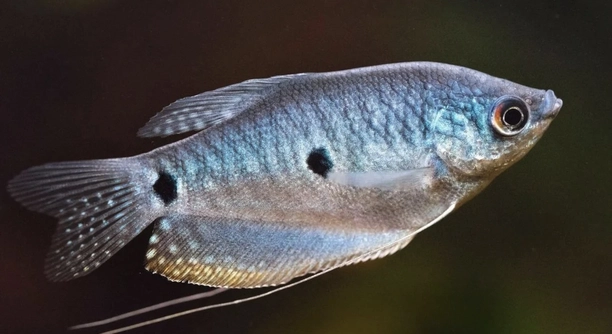
Do you ever find yourself thinking about adding more color and variety to your aquarium by housing gourami and betta fish together?
Gourami and betta fish are both territorial species, and keeping them together can lead to stress, aggression, or injury. Compatibility depends on tank size, temperament, and environment, but they are generally not recommended to be housed together.
Learning more about each species’ behavior and needs can help you make better decisions for a peaceful and healthy tank setup.
Why Betta and Gourami Don’t Get Along
Betta and gourami fish may appear calm, but both species are known for being territorial. When placed in the same tank, their need for space can quickly turn into conflict. Male bettas are especially prone to aggression, reacting strongly to any fish that resembles them in color or shape. Gouramis can also show dominance, particularly in tight or overstimulating environments. Even if there’s no immediate aggression, subtle signs like flared fins, chasing, or hiding indicate stress. Stress leads to poor health and a reduced lifespan. These issues become more likely when there isn’t enough room or hiding spots in the tank. Some aquarists have housed them together, but it typically requires a large, heavily planted tank and careful monitoring. Most of the time, the risk outweighs the reward. Keeping them separate is a safer and more practical approach for those wanting to maintain a peaceful aquarium.
Keeping two territorial fish in one tank often creates stress and increases the chances of injury, especially in smaller tanks.
Tank dividers, multiple hiding spaces, and extra room can reduce conflict, but even then, results aren’t guaranteed. A calmer tank is easier to manage and gives each fish the space it needs to thrive.
When It Might Work
Some people have had success keeping peaceful female bettas with certain dwarf gourami types in larger tanks.
If you want to try housing both, start with a tank size of at least 30 gallons. Include plenty of live plants and structures to break the line of sight and allow both fish to establish their own spaces. Choose a less aggressive gourami species, like honey gourami, and avoid male bettas. Female bettas tend to be more tolerant, but temperaments can still vary. Always introduce the fish slowly and watch them closely for any sign of aggression. Keep a backup tank ready in case separation becomes necessary. Feed them in different areas to reduce tension, and maintain clean water with stable temperatures to avoid additional stress. If either fish shows signs of hiding constantly, torn fins, or sudden illness, it’s best to move them apart. While it’s possible under certain conditions, this type of setup takes effort and constant observation. Most keepers find it easier to house them separately.
Signs of Stress and Aggression
Fin nipping, hiding, and chasing are common signs of stress or aggression between gourami and betta fish. You might also see flared fins, loss of appetite, or rapid swimming patterns that don’t seem normal.
If either fish starts hiding more often, it’s usually a sign that they’re feeling threatened or overwhelmed. Bettas may flare their gills or try to push the other fish away. Gouramis can become territorial over specific areas and lash out when another fish enters that space. These behaviors often escalate if ignored, leading to injuries or illness. It’s important to act quickly and separate the fish if these warning signs appear. Monitoring their behavior daily helps you spot early changes and make adjustments before things worsen. Small behavior shifts can point to larger problems, especially in a shared tank with two semi-aggressive species like these.
Left unchecked, stress can impact overall health and shorten lifespan. Constant tension weakens the immune system, making both fish more likely to catch infections. You may notice changes in color, clamped fins, or erratic swimming. Feeding may also become inconsistent. If these patterns appear, consider adjusting the tank setup or moving one of the fish to a different tank. Early changes help prevent long-term damage.
Tank Setup Tips for Reduced Conflict
Give each fish enough personal space using plants, rocks, and decorations that create visual barriers. This helps break up territory and reduces direct confrontations.
Start with a tank that’s at least 30 gallons. Use tall plants and driftwood to block sightlines between the fish. Avoid strong currents, as both species prefer calm waters. Add floating plants to give the surface-dwelling betta places to rest. Keep the water temperature between 76–80°F and use a gentle filter to prevent stress. Feeding the fish in opposite corners also limits tension. Regularly test the water for ammonia, nitrites, and nitrates, and keep levels in check. Make sure each fish has separate zones to explore and feel secure. A well-structured tank lowers aggression and promotes a stable environment. Watch behavior during the first week closely, and be ready to move one fish if problems develop.
Feeding Differences
Bettas are surface feeders and prefer floating pellets or freeze-dried treats. Gouramis, however, often feed mid-level and like flakes, small pellets, or live foods. Feeding both in the same tank can lead to competition and missed meals.
Separate feeding areas help prevent stress and ensure each fish gets enough food. Watch closely during feeding times.
Breeding Behavior and Aggression
Breeding behavior in both species can increase aggression. Male bettas become highly territorial during bubble nest building and may attack anything nearby. Some male gouramis also show dominant behavior when guarding their chosen area or during courtship. If housed together during these times, the chances of fighting rise quickly. It’s best to avoid keeping them together during any breeding activity. Changes in lighting, temperature, or diet can trigger breeding instincts, so be mindful of environmental factors. If either fish starts building nests or showing breeding signs, consider separating them immediately to prevent stress, injury, or worse. Breeding behaviors often override peaceful habits, even in calmer fish.
Final Thoughts Before Setup
Housing bettas and gouramis together requires caution, patience, and constant observation. Even with the right setup, success isn’t guaranteed.
FAQ
Can gouramis and bettas live together peacefully?
It depends on the temperament of each fish, the tank size, and the environment. Some bettas and gouramis may tolerate each other if the tank is large, heavily planted, and has enough hiding spots. However, both species can be territorial. In many cases, aggression develops over time, even if things seem calm at first. Observing behavior daily is important, and having a backup tank ready is helpful in case separation becomes necessary.
What size tank is best for keeping them together?
A tank of at least 30 gallons is recommended if you want to attempt keeping a betta and a gourami together. This size allows enough space for each fish to establish its own territory and reduces the chances of constant interaction. More space means less conflict. Smaller tanks increase stress, make aggression more likely, and limit options for decorating with dividers or plants. Always prioritize tank space when considering mixed species setups.
Do female bettas do better with gouramis than males?
Female bettas are generally less aggressive than males, so they may be a safer option when housing with gouramis. Even then, it’s not always predictable. Some females can still be territorial or stressed by active tankmates like gouramis. If you decide to try a female betta, monitor her closely for signs of bullying, hiding, or appetite changes. Personalities vary between individual fish.
Which types of gouramis are more peaceful with bettas?
Honey gouramis and sparkling gouramis are usually more peaceful and less territorial compared to larger types like blue or opaline gouramis. These smaller gouramis are better suited to community tanks and are less likely to intimidate or bother a betta. Avoid pairing bettas with dwarf gouramis if the betta is known to be aggressive. Each fish’s behavior matters more than the species label, so take it case by case.
How can I tell if my fish are getting along?
Signs that they’re getting along include calm swimming, no chasing, no fin damage, and consistent eating habits. If both fish ignore each other and explore separate parts of the tank, it’s usually a good sign. On the other hand, flaring, nipping, or one fish constantly hiding means there’s tension. Watch their body language daily and respond quickly if something changes.
Should I use a tank divider?
Using a clear or mesh tank divider can be a safe way to let the fish share space without physical contact. This works well if you want to enjoy both species in one tank but don’t want to risk injuries. Dividers also help during feeding and let the fish get used to each other’s presence. If aggression is a concern, a divider is a reliable solution.
Can I keep more than one gourami with a betta?
It’s risky. Adding more gouramis increases activity levels and territorial behavior, which can overwhelm a betta. If you try it, the tank must be much larger than 30 gallons and filled with plants and hiding spots. However, this setup often fails, and separating the fish becomes necessary. It’s safer to limit it to one gourami if you decide to attempt this combination.
What signs mean I should separate the fish?
If you see torn fins, color fading, refusal to eat, or erratic swimming, separation is recommended. These signs show stress or bullying. Acting early prevents lasting damage or death. If one fish constantly chases the other or claims the entire tank, that’s another reason to separate them. A peaceful tank should have balance, not fear.
Can I add tankmates to help reduce aggression?
Some aquarists add peaceful schooling fish like corydoras or ember tetras to distract or spread out the attention of aggressive fish. This can sometimes reduce tension, but it also adds bioload and requires a bigger tank. Tankmates must be calm and fast enough to avoid trouble. Never add fin-nipping species or other aggressive fish when housing bettas and gouramis together. It adds to the stress.
What’s the safest option overall?
The safest option is to keep bettas and gouramis in separate tanks. While some individuals can coexist, it’s not guaranteed and requires frequent monitoring. If you love both species, it’s less stressful for you and the fish to house them separately. Peaceful tanks are easier to manage and more enjoyable in the long run.
Final Thoughts
Housing gouramis and betta fish in the same tank is not always easy. Both species can show territorial behavior, and their reactions to each other are not always predictable. Even when they seem peaceful at first, changes in environment, age, or tank layout can cause aggression to appear later. Many people are drawn to the idea of keeping them together because of their beautiful colors and calm movements, but the risks are still there. It takes a lot of careful planning, observation, and patience to manage a shared tank without problems. If you’re unsure or not ready to deal with possible conflict, keeping them in separate tanks is a safer choice.
Every fish has its own personality. Some bettas are calm, while others become aggressive quickly. The same goes for gouramis. Even two fish of the same type can act very differently. Tank size, layout, and the number of hiding spots play a major role in their behavior. A larger tank with plants, caves, and decorations can reduce tension. But even with the right setup, there is no guarantee of peace. Watching closely for early signs of stress or fighting is important. If you notice chasing, hiding, or damage to fins, it’s best to separate the fish before things get worse.
There’s nothing wrong with wanting to try a mixed setup, especially if you already have experience with fish care. Just make sure you are prepared to make changes if things don’t work out. Have a backup tank or divider ready. Do your research on each species and pick tank mates carefully. Avoid making changes too quickly and always give new setups time to settle. In the end, the health and safety of your fish come first. A peaceful tank, whether shared or separate, is better for you and your fish. Watching them explore, swim, and eat calmly is more rewarding than managing daily conflict. Keeping that in mind will help you make the best decision for your tank.

Hello,
If you enjoy the content that we create, please consider saying a "Thank You!" by leaving a tip.
Every little bit helps us continue crafting quality advice that supports the health, happiness, and well-being of pets around the world, for pets of all shapes, sizes, and species.
We really appreciate the kindness and support that you show us!