
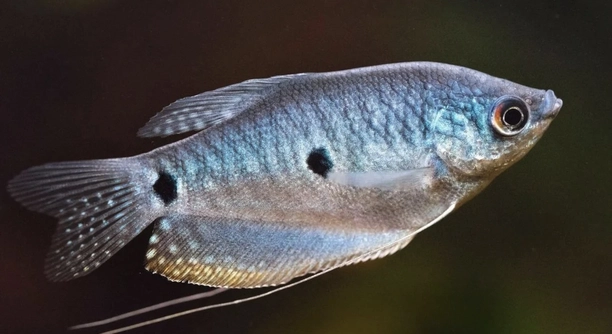
Gouramis are popular aquarium fish that enjoy a well-organized tank. Their environment plays a key role in keeping them healthy and happy. Sometimes, tank rearrangement becomes necessary to meet their needs.
Gouramis require tank rearrangement when factors such as growth, aggression, breeding, water flow, stress signs, changes in tankmates, or environmental enrichment arise. These changes ensure optimal living conditions and promote their well-being.
Knowing when and how to rearrange your gourami’s tank can help maintain a balanced and thriving aquatic space for your fish.
When Gouramis Outgrow Their Space
Gouramis grow over time, and their tank needs to keep up. A small tank that worked when they were young can become cramped. Limited space causes stress and health problems. Rearranging the tank or moving gouramis to a larger setup helps them swim freely. Decorations and plants that took up little space before might need to be shifted or removed. This gives the fish room to explore and reduces chances of injury. It also improves water circulation, which is important for clean, oxygen-rich water. As gouramis grow, they may become more active and curious, needing more space to show natural behaviors. Watching their movements can be a signal that it’s time for a change. Keeping the tank well-sized is key to their comfort and longevity.
Keeping an eye on your gouramis’ size and behavior helps decide when to rearrange their tank.
Rearranging due to growth means carefully removing or relocating items. Hard decorations that block swimming paths should be moved. Plants may need trimming or repositioning. This creates open swimming lanes and hiding spots. Remember to clean any debris to avoid water quality problems. If space is still tight, consider upgrading to a bigger tank. This reduces stress and encourages healthy growth. Giving your gouramis enough room improves their activity levels and overall mood. It’s a simple way to ensure they stay vibrant and active in their home.
Managing Aggression in Gourami Tanks
Aggression can cause harm and stress among gouramis. Rearranging the tank helps create clear territories.
When gouramis become aggressive, they need separate spaces to avoid fights. Rearranging decorations like plants, rocks, or caves can break sight lines and reduce tension. These natural barriers give each fish a place to claim, lowering conflicts. Sometimes, more hiding spots or dense plant areas are needed. Moving items around also prevents one fish from dominating the tank. It’s important to watch behavior closely after changes to see if aggression decreases. Avoid overcrowding, as too many fish can increase fights. Rearrangement is a practical way to keep peace and protect your gouramis from injury.
Breaking up open spaces with plants or decorations provides natural boundaries. This reduces stress and promotes calmer interactions between fish. Adjusting the layout can take time to perfect but is worthwhile for harmony. Offering several hiding places allows shy fish to escape bullying. Using taller plants or driftwood creates vertical zones, adding complexity to the tank. Avoid placing large decorations in the center where they block movement. Instead, distribute them evenly. Aggressive gouramis often respond well to these changes, calming down once they feel secure. Remember that rearranging is just one part of managing aggression; monitoring water quality and feeding properly also help maintain peace. Taking these steps can make your gourami tank a safer and more enjoyable environment for everyone.
Signs of Stress in Gouramis
Stress in gouramis often shows through changes in behavior or appearance. They may hide more, lose color, or swim erratically. These signs suggest the tank environment might need rearrangement to make it more comfortable.
Stress can arise when the tank lacks enough hiding spots or when the layout feels too open and exposes fish constantly. Rearranging with plants, caves, or decorations gives gouramis safe areas to retreat and rest. This reduces stress and encourages natural behavior. Stress also comes from poor water flow or excessive noise, so moving filters or adjusting equipment placement might help. Watching your gouramis closely helps catch stress early, making timely rearrangement more effective.
Adjusting the tank for stress relief involves adding cover and creating visual barriers. Dense plants and gentle water flow reduce anxiety. Sometimes rearranging means removing sharp or uncomfortable decorations too. The goal is a balanced space where gouramis feel safe, relaxed, and free to explore without constant threat or discomfort.
Rearranging for Breeding Gouramis
Breeding gouramis require specific conditions that may mean rearranging the tank to support nesting and protect fry. The tank needs calm areas with floating plants or gentle cover for bubble nests.
Removing aggressive tankmates and creating isolated spaces helps breeding pairs feel secure. Rearrangement may involve setting up separate breeding tanks or dividing the main tank with barriers. Soft plants, broad leaves, and floating moss give ideal surfaces for nest building. Adjusting water flow to be slower near the breeding area protects the nests from being disturbed. This setup encourages natural breeding behavior and increases fry survival.
Monitoring breeding gouramis during this time is important. Rearranging the tank to reduce disturbances and provide safe hiding spots for fry ensures a better chance of success. Fry are vulnerable, so having plenty of cover and reducing tank traffic helps them grow safely. A carefully arranged breeding environment supports all stages of the reproductive cycle smoothly.
Changes in Tankmates
Introducing new fish or removing old ones can upset the balance in a gourami tank. Rearranging helps create new territories and reduce stress among all fish.
New tankmates may have different space or hiding needs. Adjusting plants and decorations prevents conflicts and helps everyone settle in more easily.
Adjusting Water Flow
Gouramis prefer gentle water flow. Strong currents can stress them and cause erratic swimming. Rearranging filters or decorations can slow water movement.
Positioning plants or driftwood near the filter outlet breaks the flow and creates calm zones. This makes the tank environment more comfortable and supports natural behavior.
Environmental Enrichment
Adding variety to the tank environment encourages activity and mental stimulation. Rearranging with new plants or decorations can make a familiar space feel fresh.
Environmental enrichment prevents boredom and helps gouramis express natural behaviors like exploring and hiding. Changing the layout occasionally keeps their habitat interesting.
Seasonal Changes
Seasonal changes can affect temperature and light in your tank. Rearranging plants or decorations may be needed to adjust shade and shelter accordingly.
FAQ
How often should I rearrange my gourami tank?
Rearranging your gourami tank isn’t something you need to do regularly like weekly or monthly. It should be done when you notice changes such as your gouramis growing too big, signs of aggression, or stress. Also, if you add new fish or plants, rearrangement may help keep peace and comfort. Generally, it’s best to observe your fish’s behavior and tank conditions and rearrange only when necessary.
Will rearranging stress my gouramis?
Rearranging can cause temporary stress if done suddenly or without care. To minimize this, move decorations and plants gently and avoid disturbing the fish too much. Doing small changes over a few days rather than all at once can help. Also, keep water quality stable during rearrangement. If your gouramis seem stressed, give them time to adjust and provide hiding spots to help them feel safe.
What are the best decorations for gourami tanks?
Soft plants like Java fern, Anubias, and floating plants work well because they provide hiding spaces and don’t hurt the fish. Driftwood and smooth rocks are good too. Avoid sharp or rough decorations that can injure gouramis. Plants and decorations should create both open swimming areas and cozy spots for resting or hiding. Variety in textures and heights makes the tank interesting for gouramis.
Can rearranging help reduce aggression in gouramis?
Yes, rearranging the tank to create separate territories helps reduce aggression. Placing plants, caves, or other barriers between gouramis breaks their line of sight and stops constant chasing. It gives each fish a place to claim, lowering fights. Avoid crowding the tank, and provide enough hiding spots. Rearrangement is a useful way to manage aggression along with proper stocking and feeding.
Should I rearrange the tank for breeding gouramis?
Rearranging the tank for breeding is important. Gouramis build bubble nests near calm water surfaces, so you may need to move plants or decorations to create a quiet area. Removing aggressive or fast-moving fish is also recommended. Adding floating plants or moss helps nests stay stable. Rearrangement ensures a safe environment for breeding pairs and their fry.
How do I know if my gourami is stressed?
Signs of stress include hiding more than usual, faded colors, loss of appetite, and erratic swimming. Sometimes gouramis may rub against decorations or gasp at the surface. Stress often means the tank environment isn’t ideal. Rearranging the tank to add hiding spots or reduce water flow can help. Check water quality too, as poor conditions cause stress.
What should I do after rearranging the tank?
After rearranging, watch your gouramis closely for changes in behavior. They may be cautious at first but should soon explore the new layout. Keep feeding and water care consistent to avoid additional stress. If aggression or stress increases, consider adjusting the layout again or adding more plants for cover. Patience is key as your fish get used to their changed environment.
Can rearranging the tank improve water quality?
Indirectly, yes. Rearranging decorations and plants can improve water flow and circulation, which helps filter efficiency and oxygen levels. Removing debris from rearranged areas and trimming plants also supports cleaner water. A well-planned layout prevents dead zones where waste collects. Clean water contributes to healthier gouramis.
Is it necessary to rearrange if my gouramis seem fine?
If your gouramis are healthy, active, and showing no signs of stress or aggression, frequent rearrangement isn’t necessary. However, occasional changes can stimulate their environment and prevent boredom. It’s best to balance stability with small adjustments that keep the tank interesting and comfortable.
How can I rearrange without disturbing my plants?
To protect plants, rearrange slowly and carefully. Remove and replant delicate plants gently, and avoid uprooting. You can trim overgrown parts to fit new layouts. Floating plants are easiest to move without stress. Use tools like plant tweezers to avoid damaging roots or leaves. Keeping a clear plan before rearranging helps make the process smoother for both plants and fish.
Final thoughts on rearranging a gourami tank focus on the importance of creating a balanced and comfortable home for your fish. Gouramis depend on their environment for safety, health, and natural behavior. Sometimes, a simple change in the tank’s layout can make a big difference. Whether it is giving them more swimming space, reducing aggression, or providing hiding spots, rearrangement helps meet their needs as they grow or as the tank changes. It is important to watch your gouramis closely and understand when these changes are necessary to keep them happy.
Rearranging a tank should be done carefully and thoughtfully. Sudden or drastic changes might cause stress for your gouramis, so it is better to make adjustments gradually. Adding plants, decorations, and hiding places in a way that feels natural will help your fish feel secure. Remember to keep water quality steady throughout any rearrangement process. Providing a calm and safe environment encourages your gouramis to explore and display their natural behaviors. This benefits their physical and mental health, making the tank a pleasant space for both the fish and the owner.
Finally, remember that every gourami tank is different. What works for one tank may not work for another. Factors like the size of the tank, number of fish, and species in the community all affect how often and how much you need to rearrange. Paying attention to your gouramis’ behavior, growth, and tank conditions will guide your decisions. Small, thoughtful changes can improve the quality of life for your gouramis and help your aquarium stay a healthy and enjoyable place to watch and care for your fish.

Hello,
If you enjoy the content that we create, please consider saying a "Thank You!" by leaving a tip.
Every little bit helps us continue crafting quality advice that supports the health, happiness, and well-being of pets around the world, for pets of all shapes, sizes, and species.
We really appreciate the kindness and support that you show us!