
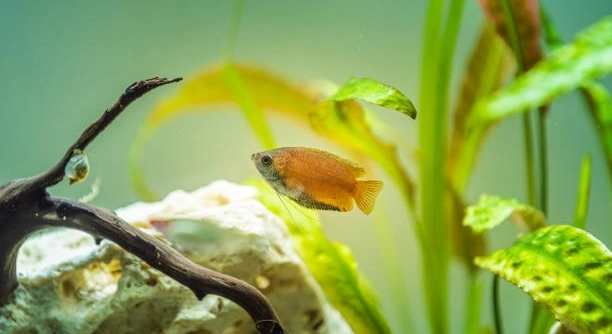
Gouramis are popular freshwater fish known for their vibrant colors and peaceful nature. They spend a good deal of time grooming themselves, which helps maintain their health and appearance. Observing these behaviors can reveal much about their well-being.
Gouramis display several grooming behaviors such as fin cleaning, body rubbing, bubble blowing, and scale maintenance. These actions help reduce parasites, keep their skin healthy, and improve their comfort in the aquatic environment. Grooming is essential for their overall health.
Learning about these grooming habits can improve how you care for your gourami. Recognizing their behaviors allows you to ensure they stay happy and healthy in your aquarium.
Fin Cleaning and Maintenance
Gouramis often use their mouths and pectoral fins to clean their other fins. This behavior helps remove debris, algae, and small parasites that might be clinging to their delicate fin rays. By keeping their fins clean, they maintain flexibility and reduce the risk of infections. You might notice your gourami carefully nibbling or rubbing its fins against tank surfaces. This is a natural and healthy activity that supports their movement and appearance. In a well-kept aquarium, this grooming habit also helps keep the environment cleaner. Over time, fin damage can occur if grooming is neglected or if water quality is poor. Regular fin care through grooming ensures the fish stays active and looks its best.
This fin cleaning behavior is a sign your gourami is comfortable in its tank.
Paying attention to fin grooming can help you notice early signs of fin rot or injury. When you see your gourami cleaning its fins regularly, it means the fish is working to protect itself from illness and irritation. Supporting good water conditions enhances this natural process. Ensuring proper nutrition also helps keep the fins strong and resilient. If you spot excessive fin biting or damage, it might be time to check for stress factors or parasites in the aquarium. Grooming is a first line of defense, and maintaining good tank hygiene complements this natural behavior. Observing your gourami’s fin care habits will help you keep them healthy and thriving.
Body Rubbing and Scale Care
Gouramis often rub their bodies against smooth surfaces in the tank. This behavior helps remove dead skin cells and dislodge tiny parasites hiding in their scales. It can look like gentle brushing or pressing, usually against plants, decorations, or tank walls. Body rubbing keeps their scales healthy and shiny by promoting natural exfoliation. It also relieves itching or irritation caused by parasites or water conditions. Watching your gourami take time to rub its body is normal and important for its comfort. This grooming method is often paired with other cleaning behaviors like fin grooming and bubble blowing.
Body rubbing helps gouramis stay clean and itch-free.
When gouramis rub their bodies, it is often a response to mild discomfort or simply part of their routine self-care. This action encourages scale renewal and helps keep their skin in good condition. Sometimes, it can indicate minor irritation, so it is wise to monitor water quality and check for signs of parasites. Providing a clean tank with plenty of smooth surfaces supports this behavior. Gouramis use this method naturally to manage their skin health without human intervention. Recognizing body rubbing as a positive and necessary behavior allows you to appreciate your fish’s self-maintenance skills. Maintaining stable water parameters reduces the need for excessive rubbing, which can prevent injuries and stress. Watching this simple act gives insight into how your gourami cares for itself daily.
Bubble Blowing
Gouramis blow small bubbles at the water’s surface as part of their grooming routine. This behavior helps them regulate their breathing and clean their mouths and gill areas. It’s a subtle but important part of their self-care.
Bubble blowing assists gouramis in managing oxygen intake through their labyrinth organ. By releasing bubbles, they help clear mucus or debris from their mouth and gills. This action supports healthy respiration and helps maintain the delicate tissues involved in breathing. If your gourami frequently blows bubbles, it indicates good respiratory activity, especially in tanks with lower oxygen levels. This behavior is normal and shows your fish is actively taking care of its breathing needs.
Additionally, bubble blowing can signal comfort in the tank environment. Gouramis tend to blow bubbles more when they feel secure. In less-than-ideal water conditions, you may notice excessive bubble blowing, which could suggest stress or difficulty breathing. Maintaining proper water quality reduces such issues. Watching this behavior gives useful clues about your gourami’s health and environment.
Scale Inspection and Adjustment
Gouramis often inspect and adjust their scales by gently rubbing or shaking their bodies. This helps realign any displaced scales and keeps their skin smooth. It’s a precise grooming behavior that promotes skin integrity and protection.
When gouramis notice a rough or loose scale, they work to fix it by rubbing against surfaces or shaking their bodies. This prevents potential infections and keeps the fish looking neat. Scales protect them from injuries and parasites, so keeping them in good condition is crucial. If you observe this behavior, it means your fish is attentive to its health and comfort. Regular tank maintenance supports this process by reducing irritants that may damage scales. This behavior is natural and essential for their daily upkeep, ensuring their skin remains resilient and functional.
Mouth Cleaning
Gouramis often clean their mouths by rubbing them against tank surfaces or using their fins. This helps remove food particles and debris.
This behavior keeps their mouths clear of harmful bacteria and helps prevent infections. It also supports better feeding and overall oral health.
Tail Flicking
Tail flicking is a quick movement gouramis use to dislodge parasites or dirt. It’s an effective way to keep their bodies clean and free from irritants.
This action often follows other grooming behaviors and is part of their natural maintenance routine.
Scale Shedding
Gouramis sometimes shed old or damaged scales as part of their grooming process. Shedding helps maintain healthy skin and prevent infections.
Regular shedding indicates a healthy growth cycle and proper tank conditions.
FAQ
Why do gouramis groom themselves so often?
Gouramis groom frequently to keep their fins, scales, and bodies clean from parasites, algae, and debris. Grooming also helps maintain healthy skin and prevents infections. In the wild and home tanks, regular grooming supports their overall health and comfort. It’s a natural behavior showing they feel safe and are actively caring for themselves.
Is grooming a sign of stress in gouramis?
Grooming is usually a positive sign, but excessive or aggressive grooming may indicate stress. Stress can come from poor water quality, overcrowding, or parasites. If grooming seems too frequent or damaging, check the tank conditions and health of your gourami. Sometimes, irritation or discomfort leads to more intense grooming behaviors.
Can poor water conditions affect grooming?
Yes, poor water quality can cause skin irritation and parasite buildup, leading to increased grooming. Maintaining clean water with proper filtration reduces these problems. Healthy water conditions help gouramis groom normally without signs of stress or damage. Regular water tests and tank maintenance support their natural grooming habits.
What should I do if my gourami is not grooming?
If your gourami stops grooming, it might be feeling unwell or stressed. Check water parameters, tank mates, and look for signs of illness or parasites. Improving tank conditions and diet can encourage grooming. Sometimes, illness or injury makes grooming difficult, so observation and possible veterinary care may be needed.
Are there specific signs to watch for during grooming?
Look for balanced grooming without excessive fin biting or skin rubbing. Healthy grooming means smooth fins, shiny scales, and no open wounds. If you notice damaged fins, missing scales, or constant rubbing, these are signs of potential problems. Early detection helps prevent serious health issues.
Does diet influence grooming behavior?
A nutritious diet supports skin and scale health, making grooming easier and more effective. Lack of essential nutrients can weaken the skin and increase irritation, causing more frequent grooming. Feeding a balanced diet with vitamins and minerals helps gouramis maintain their natural grooming habits and overall vitality.
Can grooming behaviors indicate the age of a gourami?
Younger gouramis may groom less frequently as they develop, while adults show more consistent grooming to maintain their condition. Older fish might groom more due to weaker skin or increased sensitivity. Observing grooming patterns along with physical changes can give clues about a gourami’s life stage.
Do gouramis groom differently when breeding?
During breeding, gouramis might groom more to look their best and reduce parasites that could harm eggs or fry. Males especially may show increased grooming as part of courtship and territory preparation. Grooming during this time helps protect offspring and keeps parents healthy.
Is grooming behavior the same in all gourami species?
While grooming habits are generally similar, some species show unique behaviors or different intensity levels. For example, larger gouramis may spend more time on fin cleaning, while smaller ones focus on scale maintenance. Observing your specific species helps understand their grooming needs better.
Can grooming behaviors help detect early disease?
Yes, changes in grooming—either excessive or lack of it—can be an early sign of illness or parasites. Noticing these changes allows timely action such as water testing, quarantine, or treatment. Monitoring grooming closely is a practical way to keep your gourami healthy and catch problems early.
Gouramis are fascinating fish that take good care of themselves through various grooming behaviors. These natural actions, such as cleaning their fins, rubbing their bodies, blowing bubbles, and adjusting their scales, play an important role in keeping them healthy. Grooming helps gouramis remove parasites, dirt, and dead skin, which supports their overall well-being. When you watch a gourami grooming, you are seeing how it stays comfortable and maintains its body. Understanding these behaviors gives you a better idea of what your fish needs and how to provide the best care.
Proper grooming depends heavily on the environment you create for your gourami. Clean water, a well-maintained tank, and good nutrition all help your fish perform these self-care behaviors easily. Poor water quality or an overcrowded tank can cause stress, leading to excessive or harmful grooming. Sometimes, changes in grooming habits signal health problems, so it is important to pay attention to how often and in what way your gourami grooms itself. By offering a stable, clean environment and a balanced diet, you help your fish feel safe and comfortable, allowing natural grooming behaviors to happen without stress or injury.
Keeping an eye on your gourami’s grooming habits can be a useful way to monitor its health. These small behaviors often tell a bigger story about how your fish is doing. When grooming is normal and balanced, it usually means your gourami is healthy and relaxed. If grooming becomes too frequent, aggressive, or stops altogether, it may be time to check the tank conditions or look for signs of illness. Paying attention to these details helps you take better care of your gourami and supports its long-term happiness in your aquarium. Overall, grooming is an essential part of a gourami’s life and a helpful clue to their well-being.

Hello,
If you enjoy the content that we create, please consider saying a "Thank You!" by leaving a tip.
Every little bit helps us continue crafting quality advice that supports the health, happiness, and well-being of pets around the world, for pets of all shapes, sizes, and species.
We really appreciate the kindness and support that you show us!