
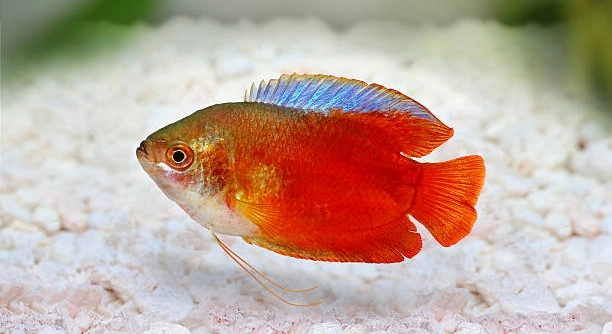
Is your gourami acting distant even though the rest of your fish seem lively and social? This behavior can be confusing for any fish keeper, especially when your tank appears calm and well-maintained.
Gouramis often ignore tankmates due to territorial instincts, stress, or incompatible species in the aquarium. These fish are semi-aggressive and may become withdrawn or antisocial when conditions such as tank size, water quality, or social hierarchy are not ideal.
Learning what triggers this behavior helps you create a more peaceful tank where every fish feels comfortable.
Common Reasons Your Gourami Is Keeping to Itself
Gouramis are known for their unique personalities, and some can be more reserved than others. One of the main reasons a gourami might ignore tankmates is stress. This can come from poor water conditions, sudden changes in temperature, or even aggressive behavior from other fish. If your tank is too small, your gourami might feel crowded and choose to stay away from others. These fish prefer space and calm surroundings. Another factor is species compatibility. Some tankmates may simply not be a good match, especially if they’re too active or nippy. Lastly, gouramis can become territorial, particularly during breeding times. If they’ve claimed a specific area of the tank, they may want to be left alone. Observing their behavior closely can help you understand what they need and what changes might help improve their mood and interactions.
Some gouramis naturally prefer solitude and tend to avoid social behavior, especially as they get older or settle into a routine.
If your gourami used to be more social and has recently changed, check if anything in the tank has been moved or altered. Even small changes, like new decorations or a shift in light patterns, can affect their comfort level. Gouramis are sensitive to their environment and thrive on consistency. Consider whether your cleaning schedule has changed or if the filter has gotten louder, both of which can cause stress. A sudden shift in behavior often has a trigger, and identifying it can help bring your gourami back to normal. If everything checks out and the water quality is stable, it may just be their natural personality taking the lead. Keeping a close eye on their habits over a few days can often reveal patterns that help you understand their needs better.
How to Help Your Gourami Feel More Comfortable
A peaceful, low-stress tank setup is key if your gourami seems distant or withdrawn. Small improvements can often lead to noticeable changes in behavior.
Start by checking your water parameters to ensure everything is within the right range. A temperature between 75°F and 80°F, pH around 6.5 to 7.5, and steady ammonia and nitrate levels will keep your gourami at ease. If your tank is crowded, adding more space or rearranging decorations to create hiding spots can help them feel safer. Use gentle filtration and low-flow systems to mimic their natural habitat. Choose tankmates carefully—fast or aggressive fish can make gouramis feel anxious. Try to include peaceful species that occupy other levels of the tank. Also, consider floating plants, which gouramis love because they mimic their wild environments and give them security. Feed them a balanced diet and avoid overfeeding. Small, quiet adjustments are often more effective than major changes, especially for a sensitive fish like the gourami.
Behavioral Changes to Look Out For
If your gourami is ignoring other fish, watch for signs like hiding, hovering near the surface, or avoiding food. These behaviors may show that something in the tank isn’t right, either physically or socially.
A gourami that hides all day or sticks to one corner of the tank might feel threatened. This could be from aggressive tankmates or constant movement around the aquarium. If they used to swim around freely and now stay behind plants or near the filter, something has changed their comfort level. Floating near the surface all the time may suggest low oxygen levels or stress. If you also notice a lack of appetite or slow movement, it could be a health issue. Pay close attention to changes in their patterns. Even subtle shifts, like swimming differently or flaring fins more often, can tell you something important about their emotional and physical state.
Feeding behavior is another good indicator of your gourami’s mood. If they suddenly stop eating or only nibble at food and then swim away, stress might be affecting their appetite. Watch if they dart away from other fish during feeding time—this could mean they feel unsafe or dominated. Gouramis usually enjoy mealtime, and changes in how they eat or where they eat can reveal a lot. Try feeding in different spots or at quieter times to see if that helps. If the behavior continues, look into water conditions or possible illness. Ignoring food for several days isn’t normal and should not be brushed off. It’s usually one of the clearest signs that your gourami isn’t feeling right.
Environmental Adjustments That Make a Difference
Small changes in your tank setup can make your gourami more comfortable and open to interacting again. Lighting, flow rate, and hiding spots all play a role in how safe they feel.
Gouramis appreciate calm spaces with places to retreat. Adding broad-leaf plants, floating coverage, and natural-looking caves can give them the security they need. Avoid bright, intense lighting as it may make them feel exposed or nervous. Low, diffused light often works best. Keep noise and vibration levels down by positioning the tank away from high-traffic areas in your home. Water movement should also be gentle—strong currents from filters can stress your gourami. If possible, use adjustable flow settings. Make sure tankmates aren’t competing for the same spaces. Spread out decor to break lines of sight, which reduces tension and keeps fish from feeling cornered. These little tweaks can lead to a calmer, more social fish over time.
Signs It’s Just Their Personality
Some gouramis are naturally more independent and prefer to keep to themselves. This is especially true with species like the three-spot or pearl gourami, which can be shy or slow to warm up to other fish.
If your gourami isn’t aggressive and shows no signs of illness, it may just enjoy solitude. Some fish are less social by nature, and that’s okay. As long as they are eating, swimming comfortably, and showing healthy colors, there’s usually nothing to worry about.
When to Be Concerned
If your gourami starts isolating after being social, stops eating, or shows faded colors, these are signs of stress or illness. Look for physical symptoms like clamped fins, white spots, or heavy breathing. These may point to infections or poor water conditions. Acting quickly can prevent things from getting worse.
Final Tip to Keep in Mind
A quiet gourami isn’t always a problem. But changes in their routine, paired with other signs, should be taken seriously.
FAQ
Why does my gourami ignore some fish but not others?
Gouramis tend to be selective about their tankmates. They often ignore fish that don’t pose a threat or compete for space. However, they may avoid more active or aggressive species. Slow-moving, peaceful fish are usually tolerated, but fast swimmers or fin-nippers can stress gouramis, causing them to keep their distance.
Can tank size affect how my gourami interacts with others?
Yes, a small tank can make gouramis feel crowded and stressed, leading to withdrawn behavior. Gouramis need enough space to establish their own territory and swim comfortably. A cramped environment increases tension and competition, which might cause them to ignore or avoid other fish.
How can I tell if my gourami is stressed or sick?
Signs of stress or illness include hiding, loss of appetite, faded colors, clamped fins, and labored breathing. You may also notice unusual spots or wounds on their body. Stress often comes from poor water quality, aggressive tankmates, or sudden changes in their environment.
Are gouramis aggressive toward certain tankmates?
Gouramis can show semi-aggressive behavior, especially males defending territory. They may nip or chase smaller or slow-moving fish but usually avoid direct conflict with larger or more aggressive species. It’s important to choose tankmates carefully to prevent stress and aggression.
What water conditions are best for gouramis?
Gouramis prefer warm water between 75°F and 80°F, with a pH of 6.5 to 7.5. They thrive in clean, well-filtered tanks with low current. Stable water parameters help reduce stress and keep them healthy, encouraging more social and active behavior.
Can gouramis live alone if they ignore tankmates?
Yes, gouramis can live alone happily if tank size or social dynamics cause them to ignore others. Some gouramis prefer solitude, especially if they feel threatened or stressed. However, a single gourami still needs proper care and stimulation.
How do I encourage my gourami to interact more?
Create a calm environment with plenty of hiding spots and gentle water flow. Choose peaceful, compatible tankmates and maintain good water quality. Feeding your gourami in a visible spot can also encourage interaction during mealtime.
Is it normal for gouramis to be shy?
Some gouramis are naturally shy and will spend more time hiding or resting. This varies by species and individual personality. As long as they are eating and swimming normally, shyness is not usually a problem.
What should I do if my gourami stops eating?
Check water quality and tank conditions first, as stress or illness are common causes. Remove aggressive tankmates if needed. Offer varied foods like flakes, pellets, or frozen treats to stimulate appetite. If the problem continues, consult a vet or experienced fish keeper.
Can adding plants help my gourami’s behavior?
Yes, plants provide shelter and reduce stress by creating hiding spots. Floating plants especially help gouramis feel secure. A well-planted tank mimics their natural habitat and encourages more natural behavior, including social interaction.
When your gourami ignores its tankmates, it can feel confusing and a little worrying. This behavior is often linked to how comfortable your fish feels in its environment. Gouramis, like many fish, need the right space, water conditions, and tankmates to thrive. If something in their surroundings isn’t quite right, they may choose to keep to themselves rather than interact. It’s important to remember that each gourami is different. Some are naturally more shy or independent, while others are more social. Understanding your fish’s personality can help you accept when it prefers solitude or when it might need some help.
Taking care of the tank’s environment is one of the best ways to encourage your gourami to be more active and social. Keeping the water clean, maintaining stable temperature and pH levels, and making sure the tank is large enough are all key steps. Adding plants and places to hide can also make a big difference by providing your gourami with safe spaces to feel secure. Tankmates matter too — peaceful fish that don’t compete for the same territory usually get along better with gouramis. By paying close attention to these factors, you can reduce stress for your fish and help it feel more at home.
Sometimes, a quiet or withdrawn gourami isn’t a sign of trouble but just how the fish is. But if your gourami stops eating, loses color, or shows signs of illness, it’s time to act quickly. Stress or disease can make them avoid others, so checking water quality and looking for signs of sickness is important. Overall, patience and careful observation go a long way. Making small, thoughtful changes to your tank environment will often improve your gourami’s behavior and help it enjoy a peaceful life alongside its tankmates.

Hello,
If you enjoy the content that we create, please consider saying a "Thank You!" by leaving a tip.
Every little bit helps us continue crafting quality advice that supports the health, happiness, and well-being of pets around the world, for pets of all shapes, sizes, and species.
We really appreciate the kindness and support that you show us!