
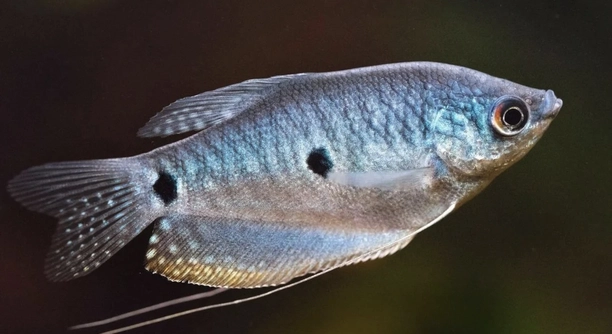
Gouramis are popular freshwater fish known for their peaceful nature and striking appearance. Many aquarium enthusiasts keep them for their vibrant colors and calm behavior. Their intelligence compared to other fish is often a topic of interest among hobbyists and researchers alike.
Gouramis exhibit higher cognitive abilities than many other common aquarium fish species. Their problem-solving skills, memory retention, and social behaviors demonstrate notable intelligence, setting them apart in studies of fish cognition and learning capabilities.
Exploring gouramis’ behavior offers valuable insight into fish intelligence and how different species interact with their environment and owners. Understanding these traits can improve care and appreciation for these unique aquatic pets.
Cognitive Abilities of Gouramis Compared to Other Fish
Gouramis have shown remarkable cognitive abilities in various studies. They can recognize their owners and respond to feeding routines, which is uncommon in many fish species. These fish demonstrate problem-solving skills, such as navigating mazes or manipulating objects to obtain food. Their ability to learn from experience helps them adapt to changes in their environment more effectively than many other aquarium fish. Unlike simpler fish that rely mostly on instinct, gouramis display social behaviors like hierarchy establishment and territorial defense. This suggests a level of intelligence that supports complex interactions within groups. Their memory span also appears longer, allowing them to remember locations and individuals. These traits indicate that gouramis are among the smarter freshwater fish, offering a more engaging experience for those who observe their behaviors closely.
Gouramis’ intelligence influences their care needs. Their awareness means they benefit from stimulation and varied environments to stay healthy.
Providing mental challenges and interaction helps gouramis thrive in captivity and reduces stress-related behaviors.
How Gourami Intelligence Affects Their Behavior in Aquariums
Gouramis’ higher cognitive skills lead to distinct behaviors in aquariums. They can become territorial, especially during breeding, requiring careful tank management. Their social interactions show cooperation and conflict resolution, which affect how they live with other fish. Because they learn routines, they often recognize feeding times and respond accordingly, showing anticipation. This behavior can make them feel more connected to their environment compared to less intelligent species that act purely on reflex. However, their intelligence also means they can become bored without proper enrichment, potentially causing aggression or lethargy. To support their natural tendencies, providing hiding places and varied tank layouts can keep gouramis engaged. Understanding these behaviors allows owners to create a better habitat, ensuring both physical health and mental stimulation for their fish.
Fish with lower cognitive skills often display repetitive or instinct-driven actions. Gouramis’ intelligence adds complexity to their daily behavior, making them more interactive pets. This requires more attentive care but rewards owners with observing unique social and learning behaviors.
Gourami Learning and Memory
Gouramis show impressive learning abilities through conditioning. They quickly associate feeding times with certain cues. This indicates a memory capacity that supports routine recognition and adaptation.
Training gouramis to respond to signals like tapping the tank or approaching the glass is possible. They remember these cues over days or weeks, which is uncommon in many fish. This ability to learn and recall information suggests their brains process experiences beyond immediate survival needs. Such memory skills allow gouramis to anticipate events, reducing stress by creating predictable patterns. It also enhances interaction with their environment, making them more responsive and engaging pets. Compared to fish that rely only on instinct, gouramis’ learning and memory provide a richer behavioral repertoire.
This advanced cognitive function makes them suitable for owners who enjoy observing and interacting with their fish. Mental stimulation benefits their overall well-being, preventing boredom and promoting natural behaviors.
Social Intelligence of Gouramis
Gouramis exhibit complex social behaviors, including dominance hierarchies and cooperative interactions. These patterns help maintain group balance and reduce conflicts. Their ability to communicate through body language and color changes is part of their social intelligence. This helps them navigate relationships within the tank.
Social intelligence influences tank dynamics significantly. Gouramis can recognize individual tank mates, showing different responses based on past interactions. This recognition aids in avoiding unnecessary aggression and fosters social bonding in some cases. During breeding, their social skills become more pronounced with elaborate displays and territorial defense. Such behaviors indicate a cognitive ability to assess social situations and adjust actions accordingly. Understanding these social traits helps in managing gouramis effectively, especially when mixed with other species. Proper tank setup with enough space reduces stress and supports healthy social interactions.
Their social intelligence contributes to a more stable and interesting aquarium environment, requiring attentive care and observation.
Gourami Problem-Solving Skills
Gouramis demonstrate notable problem-solving abilities when faced with challenges. They can learn to navigate simple obstacles to reach food or shelter. This skill is not common among many other aquarium fish species.
Their capacity to analyze and adapt to new situations shows higher cognitive processing. Problem-solving helps them survive and thrive by finding solutions in their environment.
Environmental Enrichment for Gouramis
Providing environmental enrichment stimulates gouramis mentally and physically. Items like plants, caves, and varied tank layouts encourage natural behaviors and exploration. This prevents boredom and supports their intelligence. Regular changes to the environment keep gouramis active and engaged.
Comparing Gourami Intelligence with Other Fish
Compared to many common aquarium fish, gouramis display more complex behaviors. Their learning, memory, and social skills surpass those of simpler fish such as goldfish or tetras. This difference highlights the need for tailored care and interaction based on cognitive abilities.
Gouramis’ Interaction with Owners
Gouramis often recognize their owners and respond to feeding routines. This interaction adds a personal dimension to keeping them, making the experience more rewarding.
FAQ
How smart are gouramis compared to other fish?
Gouramis are generally considered smarter than many common aquarium fish. They show advanced learning abilities, good memory, and complex social behaviors. Unlike fish that act mostly on instinct, gouramis can recognize owners, learn feeding routines, and solve simple problems. This makes them more interactive and engaging pets.
Can gouramis recognize their owners?
Yes, gouramis can recognize their owners. They often respond to the presence of the person who feeds them regularly. This recognition comes from their memory and ability to associate people with food and safety. It is not common for all fish, but gouramis show this behavior clearly.
Do gouramis get bored in tanks?
Gouramis can become bored if kept in a dull, unstimulating environment. Because of their intelligence, they need variety and mental challenges. Without enrichment like plants, hiding spots, or changing tank layouts, they may become lethargic or show signs of stress, such as aggression.
How can I keep my gourami mentally stimulated?
Providing environmental enrichment is essential. Use plants, caves, and decorations to create a varied tank layout. Occasionally rearranging these elements encourages exploration. Training them to respond to feeding signals or introducing new objects can also help keep their minds active.
Are gouramis territorial?
Yes, gouramis can be territorial, especially males during breeding seasons. They defend specific areas of the tank and may show aggression to other fish nearby. Understanding their social behavior helps in managing tank mates and avoiding conflicts.
What kind of social behavior do gouramis show?
Gouramis display complex social interactions such as establishing hierarchies and communicating through color changes and body movements. They recognize individual tank mates and adjust behavior accordingly. These social skills reduce unnecessary aggression and support group balance.
Do gouramis remember feeding times?
Gouramis have the ability to remember feeding schedules. They learn to associate certain times or cues with food availability. This memory helps reduce stress and creates predictable routines, making them more comfortable in captivity.
Can gouramis solve problems to get food?
Yes, gouramis can solve simple problems like navigating obstacles to reach food. This shows their ability to think beyond instinct and apply learning. Problem-solving is part of their cognitive skills, which is not common in many other fish.
How does gourami intelligence affect their care needs?
Because gouramis are smarter, they require more attention to mental and social needs. They benefit from enriched environments and interaction. Ignoring their cognitive abilities can lead to boredom, stress, and health problems.
Are gouramis easy to train?
Gouramis can be trained to respond to signals such as tapping the tank or hand movements. Training relies on their ability to learn and remember cues. It is a simple process that can strengthen the bond between fish and owner.
What should I avoid when keeping gouramis?
Avoid overcrowding the tank, as gouramis need space for their territorial behavior. Also, avoid dull environments that lack enrichment. Keeping incompatible fish together may cause stress or aggression. Understanding their intelligence helps in creating a suitable habitat.
Do all gourami species have the same level of intelligence?
Intelligence levels may vary slightly between different gourami species, but most show advanced cognitive abilities compared to many other fish. Differences often relate to natural behaviors and habitat, but all generally benefit from enriched care.
How long can gouramis remember things?
Gouramis can remember learned behaviors and routines for days or even weeks. Their memory supports recognition of owners, feeding times, and social relationships. This long-term memory is unusual among many fish species.
Why is it important to know about gourami intelligence?
Understanding gourami intelligence helps provide better care. Knowing their mental needs reduces stress and promotes healthy behavior. It also makes interacting with them more rewarding, improving the overall aquarium experience.
Can gouramis live peacefully with other fish?
Gouramis can live with other species if the tank is properly managed. Their social intelligence helps them adjust, but space and compatible tank mates are crucial. Avoid aggressive or very active species to prevent stress.
Do gouramis communicate with each other?
Yes, gouramis use body language, color changes, and movement patterns to communicate. This helps establish social order and resolve conflicts. Their communication reflects their social intelligence and adds complexity to their behavior.
Final Thoughts
Gouramis stand out among aquarium fish for their notable intelligence. Their ability to learn, remember, and solve problems sets them apart from many other species. This intelligence allows them to interact with their environment in ways that go beyond basic survival instincts. They respond to feeding routines, recognize owners, and show social behaviors that indicate higher cognitive function. Understanding these qualities helps in providing better care, ensuring their needs are met beyond just water and food.
Taking care of gouramis means more than just maintaining clean water and proper nutrition. Their mental and social needs require attention as well. Providing an enriched environment with plants, hiding spots, and space to explore helps keep them stimulated and healthy. Observing their social interactions can give clues about their well-being and tank dynamics. Meeting these needs reduces stress and promotes natural behavior, making them more enjoyable to watch and care for.
Gouramis’ intelligence creates opportunities for a more interactive and rewarding aquarium experience. Training and social engagement allow owners to connect with their fish in a meaningful way. While not all fish species exhibit such complex behavior, gouramis remind us that fish can have distinct personalities and cognitive abilities. Proper understanding and care of their intelligence lead to healthier, happier fish and a more satisfying hobby overall.

Hello,
If you enjoy the content that we create, please consider saying a "Thank You!" by leaving a tip.
Every little bit helps us continue crafting quality advice that supports the health, happiness, and well-being of pets around the world, for pets of all shapes, sizes, and species.
We really appreciate the kindness and support that you show us!