
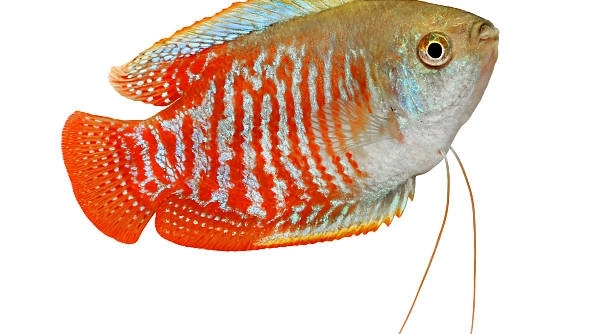
Gouramis are popular aquarium fish known for their vibrant colors and calm nature. Many hobbyists create planted tanks to mimic natural environments. Plants with big leaves are often chosen for their visual appeal and sheltering qualities in aquariums.
Gouramis generally appreciate plants with large leaves as they provide ample hiding spots and resting areas. These plants help reduce stress by offering shade and security, contributing to the fish’s well-being and natural behavior in captivity.
Understanding how gouramis interact with big-leaf plants can improve tank design and fish health. This article explores their preferences and the benefits these plants bring to their environment.
Benefits of Big-Leaf Plants for Gouramis
Big-leaf plants offer several advantages for gouramis in aquariums. Their broad leaves provide excellent hiding spots, which help gouramis feel secure and reduce stress. These leaves also create shaded areas that mimic the fish’s natural habitat, where light is often filtered through dense vegetation. Gouramis tend to rest near or under these leaves, using them as cover from potential disturbances or bright lighting. Additionally, big-leaf plants contribute to better water quality by absorbing nitrates and offering surfaces for beneficial bacteria. Their large surface area supports algae growth, which some gouramis may nibble on occasionally, adding variety to their diet. Overall, these plants improve the aquarium’s environment by promoting natural behavior and comfort for gouramis.
Big-leaf plants also serve as natural barriers that help reduce aggressive behavior among tank mates by breaking line of sight. This makes the tank more peaceful for gouramis.
Using big-leaf plants enhances both the aesthetics and functionality of a gourami tank. The plants not only beautify the aquarium but also create essential microhabitats. Gouramis use the leaves for shelter, resting, and breeding purposes. Some species lay eggs on the undersides of leaves, which offers protection from predators. The plants’ large leaves reduce water flow, providing calmer areas where gouramis feel safer. In tanks without enough big-leaf plants, gouramis may show signs of stress or hide less frequently. Incorporating these plants also helps maintain humidity and oxygen levels near the surface, which benefits gouramis since they breathe from the air using their labyrinth organ. Overall, big-leaf plants play a key role in creating a balanced and supportive environment for gouramis to thrive.
Choosing the Right Big-Leaf Plants
Not all big-leaf plants suit gourami tanks equally. Choosing species that tolerate aquarium conditions and water parameters is essential.
Popular big-leaf plants like Anubias, Amazon sword, and Java fern are excellent choices for gouramis. These plants are hardy, easy to care for, and provide broad leaves without requiring intense lighting or CO2 supplementation. Anubias species have thick, tough leaves that resist damage from curious fish, while Amazon swords offer tall, wide leaves ideal for larger gouramis. Java fern attaches to driftwood or rocks, creating natural hiding spots and resting areas. Selecting these plants ensures the tank remains healthy and visually appealing, while supporting gouramis’ needs.
When introducing big-leaf plants, consider their growth rate and space requirements to prevent overcrowding. Proper placement helps maintain good water circulation and light penetration. Regular trimming is necessary to avoid dead leaves, which can degrade water quality. Combining multiple big-leaf species adds diversity and complexity to the tank. This variety promotes natural fish behavior and improves overall tank stability. By carefully choosing and maintaining these plants, gourami keepers can create an environment that supports fish health and enhances aquarium enjoyment.
Caring for Big-Leaf Plants in Gourami Tanks
Big-leaf plants need consistent care to stay healthy in gourami tanks. Regular trimming prevents leaves from decaying and keeps the tank clean. Removing dead or damaged leaves is important to avoid water quality issues that could stress fish.
Providing moderate lighting suits most big-leaf plants, as intense light can cause algae growth on their surfaces. Using a balanced fertilizer promotes steady growth without overwhelming the tank’s ecosystem. Avoid overfeeding fish, as excess nutrients can encourage algae and harm plants. Monitoring water parameters such as pH, temperature, and hardness helps maintain an environment where both plants and gouramis thrive. Maintaining stable conditions reduces plant stress and supports natural growth patterns.
Big-leaf plants benefit from proper substrate choice, such as nutrient-rich soil or gravel that anchors roots securely. Some plants like Java fern can attach to decorations rather than rooting in substrate. Adjusting plant placement ensures gouramis have enough swimming space and shelter. Regular observation helps identify any signs of plant distress early, allowing prompt adjustments to care routines. With proper attention, big-leaf plants remain robust and enhance the tank’s balance.
How Gouramis Interact with Big Leaves
Gouramis use big leaves as resting spots and cover from bright light or sudden movements. These leaves provide safe retreats where fish feel secure, which supports calmer behavior. Gouramis often hover near or under broad leaves during the day.
The interaction between gouramis and big-leaf plants also extends to breeding habits. Some gourami species build bubble nests beneath large leaves, using them as protective roofs for eggs and fry. The texture and size of leaves can influence nest site selection. Additionally, the shade from these leaves helps regulate temperature and light exposure in nesting areas, creating ideal conditions for reproduction. Gouramis sometimes nibble on biofilm or algae growing on leaves, adding a minor food source. Overall, big-leaf plants play a practical role in supporting gourami natural activities and comfort in home aquariums.
Potential Challenges with Big-Leaf Plants
Big-leaf plants can sometimes cause issues in gourami tanks if not maintained properly. Leaves may decay quickly, leading to poor water quality that affects fish health.
Algae growth on large leaves can become a problem, requiring regular cleaning or pruning to keep the plants healthy and the tank balanced.
Preventing Algae on Big Leaves
Algae thrives on large leaves because of the broad surface area and light exposure. Limiting excess nutrients by controlling fish feeding and maintaining proper filtration reduces algae growth. Using live plants that compete for nutrients can also help keep algae in check. Manual removal or gentle cleaning of leaves prevents buildup. Balanced lighting schedules avoid overexposure that encourages algae.
Ideal Lighting for Big-Leaf Plants
Most big-leaf plants thrive under moderate lighting conditions. Excessive light can cause leaf damage and algae issues. A 6 to 8-hour daily light period is usually sufficient to support healthy growth without promoting unwanted algae.
Encouraging Natural Behavior
Big leaves help gouramis exhibit natural behaviors like hiding, resting, and breeding comfortably within the aquarium environment.
FAQ
Do gouramis prefer plants with big leaves over smaller ones?
Gouramis generally favor big-leaf plants because these provide more shelter and resting areas. The broad leaves offer shade and protection from bright light, which makes gouramis feel more secure. Smaller plants do not create the same hiding spots or shaded zones, so gouramis tend to use large leaves more often.
Can big-leaf plants harm gouramis in any way?
Big-leaf plants themselves do not harm gouramis. However, if the plants start to decay or develop algae, this can degrade water quality and stress the fish. Proper maintenance of the plants is necessary to prevent any negative effects on gouramis. Healthy, clean leaves contribute positively to their environment.
What are some good big-leaf plants for gourami tanks?
Some popular choices include Anubias, Amazon sword, and Java fern. These plants have sturdy, broad leaves and are easy to care for. They tolerate a range of water conditions and don’t require intense light. This makes them well-suited for gourami tanks.
How often should I trim big-leaf plants in a gourami tank?
Trimming depends on the plant species and growth rate but generally every few weeks is recommended. Removing dead or dying leaves prevents decay and keeps the water clean. Regular trimming also encourages healthier growth and maintains the plant’s shape.
Will gouramis eat or damage big leaves?
Gouramis rarely eat big leaves directly, but some nibbling on soft algae or biofilm on the leaves can happen. They usually don’t cause significant damage. If a plant is delicate, gouramis may accidentally tear leaves while swimming, but hardy species like Anubias tolerate this well.
Do big-leaf plants help gouramis breed?
Yes, big-leaf plants can support breeding by providing safe spots for bubble nests and shelter for fry. Some gourami species prefer to build nests under large leaves. The shade and protection help ensure the eggs and fry have a better chance of survival.
How do I prevent algae growth on big leaves?
Controlling nutrient levels by not overfeeding and maintaining good filtration is key. Balanced lighting helps, as excessive light encourages algae growth. Cleaning leaves manually or gently scrubbing off algae can keep plants healthy.
Is it necessary to use fertilizers for big-leaf plants in gourami tanks?
Fertilizers can support plant growth but should be used carefully. Overuse may cause algae blooms or affect water quality. Many big-leaf plants are hardy and do well with minimal fertilization if the tank has a healthy biological balance.
Can big-leaf plants improve water quality for gouramis?
Yes, big-leaf plants absorb nitrates and other waste products, helping to maintain cleaner water. They also provide surfaces for beneficial bacteria that break down harmful substances. This creates a healthier environment for gouramis.
What is the ideal lighting duration for big-leaf plants?
Around 6 to 8 hours of moderate lighting daily is usually sufficient. This supports steady plant growth without promoting excessive algae, which can harm both plants and gouramis.
Should big-leaf plants be planted in the substrate or attached to decorations?
It depends on the species. Plants like Amazon sword root well in substrate, while Java fern and Anubias prefer attaching to rocks or driftwood. Proper placement ensures healthy growth and does not interfere with gourami swimming space.
Can big-leaf plants survive with gouramis in the tank?
Yes, big-leaf plants can thrive alongside gouramis if cared for properly. Providing good water conditions, balanced lighting, and regular maintenance ensures plants stay healthy despite fish activity.
Do gouramis use big leaves for resting during the day?
Gouramis often rest under or near large leaves during daylight hours. The shade and protection help them relax and avoid stress from bright light or tank disturbances.
Are big-leaf plants important for the overall aquarium ecosystem?
Absolutely. They contribute to oxygen production, nutrient absorption, and habitat complexity. These factors support a balanced ecosystem where gouramis and other tank inhabitants can flourish.
Can big-leaf plants survive without CO2 supplementation?
Most big-leaf plants suited for gourami tanks are low-light and low-CO2 species. They generally grow well without added CO2, making them easier to maintain in typical home aquariums.
Final Thoughts
Big-leaf plants can be a valuable addition to gourami tanks. They offer shade, shelter, and natural resting spots that help gouramis feel secure. These plants also support natural behaviors such as hiding and breeding, making the aquarium environment more comfortable for the fish. Their broad leaves create areas where gouramis can retreat from bright light or sudden movements, which reduces stress and promotes calmer activity. Including big-leaf plants can contribute to a more balanced and peaceful tank.
Proper care and maintenance are essential to keep big-leaf plants healthy in a gourami aquarium. Regular trimming of dead or decaying leaves prevents water quality problems that could affect both plants and fish. Controlling algae growth on the leaves is important, as algae can compete with plants for nutrients and spoil the appearance of the tank. Balanced lighting, moderate feeding, and good filtration help maintain clean water and minimize algae buildup. Choosing hardy species that suit the tank’s conditions also reduces care difficulties and promotes plant longevity.
Big-leaf plants also play a positive role in the overall aquarium ecosystem. They absorb waste products, like nitrates, which helps improve water quality for gouramis and other inhabitants. Their surfaces provide space for beneficial bacteria, which break down harmful substances and support a healthy environment. While gouramis may nibble occasionally on biofilm or algae on leaves, they rarely harm the plants themselves. By paying attention to proper plant care, gourami owners can create an attractive, functional, and stable habitat that benefits both fish and plants over the long term.

Hello,
If you enjoy the content that we create, please consider saying a "Thank You!" by leaving a tip.
Every little bit helps us continue crafting quality advice that supports the health, happiness, and well-being of pets around the world, for pets of all shapes, sizes, and species.
We really appreciate the kindness and support that you show us!