
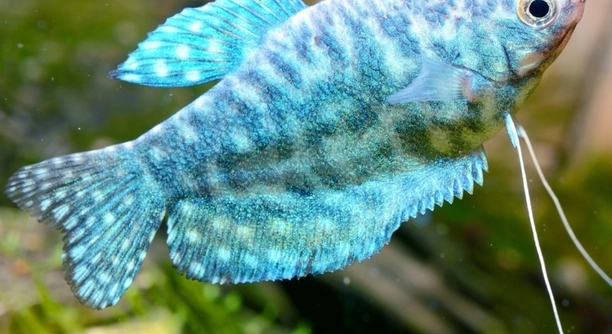
Are your gouramis acting a bit off lately, leaving you worried about their health and well-being in the tank?
The most reliable way to tell if a gourami is unhealthy is by observing physical changes and behavior shifts. Signs such as faded colors, clamped fins, and lack of appetite often indicate that something is wrong.
Spotting these signs early can make a big difference in your gourami’s recovery and help you create a safer, healthier aquarium.
Faded or Dull Coloration
Color loss is one of the most common signs that a gourami might be unwell. Healthy gouramis usually display bright, vibrant hues, depending on their species. When those colors start to look faded or dull, it often means something is off. Stress, poor water conditions, and illness can all affect a fish’s pigmentation. Ammonia spikes, inconsistent temperatures, or aggressive tank mates can stress your gourami and dull its appearance. Also, internal parasites or bacterial infections may be at play. If the change in color happens gradually, it’s often environmental. If it happens quickly, it might be a more urgent health issue. Always check water parameters first, as poor water quality is a leading factor. From there, look at tank mates and recent changes to diet or setup.
Color changes aren’t just about appearance. They usually signal how your fish feels physically and emotionally.
Correcting water issues and reducing stressors often brings color back. Fish respond well to stable, clean environments.
Loss of Appetite
Loss of appetite in gouramis is another key sign that something might be wrong. Healthy gouramis usually come to the surface during feeding and show clear interest in food. When they ignore meals or eat much less, it signals a deeper issue.
Water quality problems are often the first place to look when your gourami stops eating. Elevated ammonia or nitrate levels can make the fish feel unwell. Parasites, infections, or even constipation from a poor diet can also reduce appetite. In some cases, stress from overcrowding or aggressive tank mates can keep your gourami from feeling safe enough to eat. It’s helpful to isolate the issue by testing the water, adjusting the diet, and observing behavior. Try offering easy-to-digest foods like boiled peas or bloodworms. If there’s no change, consider consulting a vet who specializes in aquatic animals. Consistent appetite is a good sign of a thriving fish.
Clamped Fins
Clamped fins are a sign that your gourami may be feeling stressed or unwell. Instead of spreading their fins fully, the fish keeps them close to the body. This behavior usually points to discomfort or illness.
Water issues are one of the most common reasons for clamped fins. Sudden changes in pH, ammonia spikes, or low oxygen levels can all trigger this response. It’s important to test your water regularly and perform routine water changes. Another possible cause is temperature shock—either too cold or too warm. Illnesses like fin rot, bacterial infections, or parasites can also cause your gourami to keep its fins tight. If you see other signs like lethargy, loss of appetite, or strange swimming, take those seriously and respond quickly. Treating the tank with safe medications and keeping a clean environment can help your gourami recover.
Stress from aggressive tank mates is another factor that often gets overlooked. Gouramis are generally peaceful and can become anxious if housed with fish that nip or chase them. Make sure the tank has enough hiding spots and is not overcrowded. A peaceful space helps your gourami relax and may prevent fin clamping. Also, make sure the lighting isn’t too bright, as harsh light can contribute to stress.
Erratic Swimming
Erratic swimming means your gourami might dart around suddenly, swim in circles, or have trouble staying upright. This behavior is not normal and usually points to either poor water quality, stress, or an internal health problem.
When gouramis swim erratically, it’s often a signal that something is seriously wrong inside the tank. Toxins like ammonia or nitrite in the water can affect their nervous system and balance. Swim bladder disorder is another possibility, where the fish struggles to stay level in the water. That condition may come from overfeeding or gulping too much air while eating. Parasites and internal infections can also cause sudden, jerky movements. Make sure to observe your gourami’s overall condition, including appetite and fin appearance. If symptoms continue for more than a day, take action. Improve tank conditions, feed lighter meals, and consider using an aquarium-safe treatment for parasites or infections if needed.
Lethargy or Inactivity
When a gourami spends most of its time resting at the bottom or barely moving, it could be feeling sick or stressed. Healthy gouramis are usually active and alert. Watch for slow swimming, hiding too often, or lack of response to food.
Temperature drops, bad water quality, and overcrowding often cause this kind of behavior. Illnesses like internal parasites or bacterial infections can also lead to low energy. Quick action helps prevent the issue from getting worse.
Bloating or Swollen Belly
A swollen belly in a gourami is not always a sign of overeating. While occasional bloating may result from a large meal, persistent swelling could signal something more serious. Constipation, internal parasites, or organ issues like dropsy are common reasons for bloating. Dropsy, in particular, is dangerous and usually comes with raised scales and lethargy. It’s important not to feed high-fat or dried foods too often. Offer peeled peas occasionally to help with digestion. If swelling doesn’t improve, isolate the fish and begin treatment. Clean water, a balanced diet, and proper tank size can all help reduce the chances of bloating becoming a recurring problem.
Gasping at the Surface
When your gourami gasps at the surface often, it may not be getting enough oxygen or feeling irritated by poor water quality. Check your filter, increase aeration, and test the ammonia and nitrite levels right away.
FAQ
How often should I test the water to keep my gourami healthy?
Testing water at least once a week is ideal. This helps catch problems early before they affect your fish. Regular testing includes checking ammonia, nitrite, nitrate, pH, and temperature. Keeping these stable ensures a comfortable environment for your gourami.
What are the best water parameters for gouramis?
Gouramis do best in water with a temperature between 75–82°F (24–28°C). The pH should be slightly acidic to neutral, around 6.0 to 7.5. Ammonia and nitrites must always be zero, while nitrates should stay below 20 ppm. Regular water changes help maintain these levels.
Can diet affect my gourami’s health?
Yes, diet plays a big role in keeping your gourami healthy. They need a mix of protein-rich foods like bloodworms, brine shrimp, and high-quality flakes or pellets. Avoid overfeeding, which can lead to bloating and water quality problems. Feeding small amounts twice daily is best.
How can I reduce stress for my gourami?
Stress can cause many health issues. Provide hiding spots using plants or decorations. Keep tank mates peaceful and avoid overcrowding. Maintain stable water conditions and avoid sudden changes in lighting or temperature. A calm environment helps your gourami thrive.
What signs show my gourami might have parasites?
Look for scratching against objects, white spots, rapid breathing, or sudden weight loss. Parasites often cause skin irritation and behavior changes. If you notice these signs, isolate the fish and treat the tank with appropriate medication. Early treatment is important.
How can I treat fin rot in my gourami?
Fin rot usually starts as frayed or ragged fins. Improve water quality immediately and use antibacterial treatments recommended for aquarium fish. Avoid overcrowding and maintain good filtration. Monitor the fish closely and continue treatment until fins heal completely.
Is it normal for gouramis to stop eating sometimes?
Occasional appetite changes can happen but prolonged refusal to eat is a concern. It might indicate illness, stress, or poor water conditions. Check the tank environment, and if your gourami doesn’t eat for more than two days, take action to find the cause.
Can I keep gouramis with other fish safely?
Gouramis are generally peaceful but can be territorial. Choose tank mates carefully, avoiding aggressive or very active species. Ideal companions are other calm, medium-sized fish. Always watch for signs of bullying or stress and separate fish if needed.
How important is tank size for gouramis?
Tank size greatly affects gourami health. A minimum of 20 gallons is recommended for one gourami to allow enough swimming space. Larger tanks help maintain stable water conditions and reduce stress. Overcrowding increases disease risk and aggressive behavior.
What should I do if my gourami looks bloated and refuses to swim?
Bloating combined with inactivity usually means a serious health problem. Start by checking water quality and improving it immediately. Feed peeled, cooked peas to help with digestion. If the condition worsens or doesn’t improve in a few days, consult a vet or consider medicated treatments.
How can I prevent swim bladder issues in gouramis?
Avoid overfeeding and provide a balanced diet with fiber-rich foods like peas. Keep feeding amounts small and consistent. Also, ensure your tank water is clean and stable, as poor water quality can increase swim bladder problems. Early detection and care improve recovery chances.
Are there any home remedies to improve gourami health?
Maintaining clean water, a stable environment, and proper diet are the best home care steps. Regular water changes and using aquarium salt (at recommended doses) can help reduce stress and minor infections. For serious issues, professional treatments or vet care are necessary.
What causes gouramis to gasp at the surface?
Gasping usually means low oxygen levels in the tank. Causes include poor aeration, overcrowding, or dirty water. Increase surface agitation with an air stone or filter output. Regular water changes and avoiding overstocking help maintain oxygen levels and fish health.
How long can gouramis live with proper care?
With good care, gouramis typically live 4 to 6 years, sometimes longer. Providing a stable tank environment, balanced diet, and monitoring for early signs of illness all contribute to a longer, healthier life for your fish.
Can stress cause sudden death in gouramis?
Yes, chronic stress weakens the immune system, making gouramis more vulnerable to diseases. Sudden environmental changes, aggressive tank mates, or poor water quality can cause fatal stress. Reducing stress factors improves survival and well-being.
What is the best way to quarantine a new gourami?
Quarantine new fish in a separate tank for at least two weeks before introducing them to your main aquarium. This prevents spreading disease and allows you to monitor for signs of illness. Keep water conditions stable and feed normally during quarantine.
Taking good care of your gourami means paying close attention to their behavior and appearance every day. Small changes can show early signs of illness or stress. By watching for things like faded colors, clamped fins, or loss of appetite, you can catch problems before they become serious. Keeping your aquarium clean, with stable water conditions and a proper diet, creates a strong foundation for your gourami’s health. Simple steps like regular water testing, feeding balanced meals, and providing hiding spots make a big difference. The healthier your fish’s environment, the better chance they have to thrive and live a long life.
If you notice any signs of poor health, acting quickly is important. Many common issues, such as fin rot, swim bladder problems, or parasites, respond well to early treatment. Waiting too long can make recovery harder or even impossible. It’s also helpful to keep a calm, peaceful tank where your gourami feels safe. Stress from overcrowding, aggressive tank mates, or sudden changes in water quality weakens their immune system. Taking time to set up and maintain a balanced aquarium reduces stress and helps your fish stay strong against illness.
Remember that keeping a gourami healthy is a continuous process. Each fish is different, so it’s important to learn about your gourami’s specific needs and habits. Maintaining water quality, a good diet, and a peaceful tank environment requires consistent effort but pays off with happy, active fish. When you notice changes in your gourami’s behavior or appearance, use the information you’ve learned to respond quickly. With proper care, your gourami can be a beautiful, lively addition to your home for many years.

Hello,
If you enjoy the content that we create, please consider saying a "Thank You!" by leaving a tip.
Every little bit helps us continue crafting quality advice that supports the health, happiness, and well-being of pets around the world, for pets of all shapes, sizes, and species.
We really appreciate the kindness and support that you show us!