
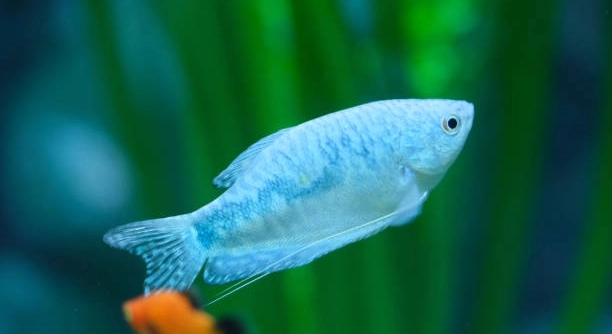
Gouramis are popular freshwater fish, admired for their colors and calm behavior. However, stress in these fish can affect their health and lifespan. Identifying and addressing stress early is important for maintaining a healthy aquarium environment.
Gourami stress often results from poor water quality, inadequate tank size, incompatible tank mates, lack of hiding spots, improper diet, sudden environmental changes, and insufficient oxygen levels. Addressing these factors with small adjustments can significantly improve their well-being and reduce stress.
Understanding these simple fixes can help maintain a balanced environment and promote a healthier, more peaceful life for your gouramis.
Improve Water Quality
Maintaining clean water is essential to reduce stress in gouramis. Dirty water can cause irritation, weaken their immune system, and lead to diseases. Regular water changes help keep ammonia, nitrite, and nitrate levels low. Testing the water parameters often allows early detection of harmful substances. Using a good filtration system supports biological balance by breaking down waste products. Avoid overcrowding the tank, as too many fish increase waste and make maintaining water quality harder. Consistent water temperature is also important because sudden fluctuations can stress the fish. Keep the temperature stable within the recommended range for gouramis, usually between 74°F and 82°F. Taking these steps will ensure your gouramis live in a healthy environment that supports their natural behavior and growth.
Regular water testing and partial changes prevent buildup of toxins, keeping the environment stable and safe for your gouramis.
Clean, balanced water reduces stress and disease risk. Proper filtration, frequent testing, and temperature control all contribute to a stable habitat. Overcrowding must be avoided to keep water parameters within safe limits. Maintaining this balance creates an environment where gouramis can thrive without unnecessary stress.
Provide Adequate Hiding Spots
Gouramis feel safer when they have places to hide. Plants, rocks, or decorations in the aquarium offer shelter and reduce anxiety. Without hiding spots, fish may feel exposed and vulnerable, which increases stress levels. Live plants also help improve water quality by absorbing nitrates and producing oxygen. Choose plants that are easy to care for and suitable for your aquarium size. Grouping hiding places in several parts of the tank allows fish to find refuge easily. Position decorations to avoid sharp edges or unstable items that could harm the fish. Remember, a well-structured tank mimics their natural habitat and supports normal behavior. This simple change helps gouramis feel secure and lowers stress significantly.
Providing enough hiding spots reduces stress and supports natural behaviors in gouramis, promoting a calm aquarium atmosphere.
Maintain Proper Tank Size
A tank that is too small can cause stress in gouramis by limiting their movement and increasing territorial disputes. Ensuring adequate space allows them to swim freely and establish territories comfortably.
Providing a tank with at least 20 gallons per gourami helps reduce aggression and stress. Larger tanks dilute waste better, improving water quality. When the fish have enough room, they show more natural behavior and are less likely to be stressed by constant close contact with others. Crowded conditions increase competition for food and hiding spots, leading to constant tension among tank mates.
Selecting the correct tank size supports stable water conditions and healthier social interactions. It also makes maintenance easier and helps prevent rapid changes in water parameters. A spacious tank benefits both the fish’s physical health and their mental well-being.
Choose Compatible Tank Mates
Not all fish species get along with gouramis. Aggressive or overly active fish can stress gouramis and disrupt their behavior. Selecting peaceful tank mates reduces conflict.
Ideal companions include small, calm species that occupy different tank levels, such as tetras or rasboras. Avoid fin-nippers or large aggressive fish that chase or harass gouramis. Compatibility reduces territorial fights and stress from constant chasing. Proper groupings promote harmony and allow gouramis to swim and feed comfortably. Introducing new fish gradually and monitoring interactions helps maintain a peaceful environment.
Thoughtful selection of tank mates improves overall aquarium balance and creates a stress-free habitat where gouramis can thrive without fear or aggression from others.
Feed a Balanced Diet
A balanced diet supports gourami health and reduces stress. Providing a mix of high-quality flakes, pellets, and live or frozen foods meets their nutritional needs.
Avoid overfeeding, as excess food can pollute the tank and increase stress. Feed small amounts once or twice daily to keep water clean and fish healthy.
Avoid Sudden Environmental Changes
Gouramis are sensitive to sudden changes in light, temperature, or water conditions. Keeping a consistent environment prevents unnecessary stress.
Rapid shifts can weaken their immune system and cause erratic behavior. Gradually introduce any changes to help them adjust smoothly and maintain stability in their habitat.
Increase Oxygen Levels
Oxygen is crucial for gouramis’ well-being. Even though gouramis can breathe air from the surface, maintaining good oxygen levels in the water is important for their health and comfort.
Monitor Fish Behavior Regularly
Observing your gouramis daily helps detect early signs of stress or illness. Prompt attention improves outcomes and keeps the tank environment balanced.
How can I tell if my gourami is stressed?
Signs of stress in gouramis include changes in behavior such as hiding more than usual, loss of appetite, rapid breathing, and lethargy. They may also show physical signs like faded colors, clamped fins, or erratic swimming. Watching these changes early helps prevent serious health issues.
What causes stress in gouramis the most?
Common causes include poor water quality, overcrowding, incompatible tank mates, and lack of hiding spots. Sudden changes in water temperature or light levels also add to stress. Identifying and correcting these factors can reduce stress and improve fish health.
How often should I change the water for my gouramis?
Changing 20-30% of the tank water every week is recommended. This keeps nitrate and waste levels low, supporting clean and healthy water. More frequent changes may be necessary in smaller tanks or heavily stocked aquariums.
Is it necessary to have a filter in a gourami tank?
Yes, a filter is important for maintaining water quality. It removes waste and helps balance bacteria that break down harmful substances. Filters also provide gentle water movement, which helps oxygenate the tank without stressing the fish.
Can gouramis live with other fish?
Gouramis can live peacefully with calm, non-aggressive species that occupy different levels of the tank. Avoid aggressive or fin-nipping fish to reduce stress and aggression. Good tank mates include tetras, rasboras, and Corydoras catfish.
What kind of diet is best for gouramis?
A varied diet is best. Use high-quality flakes or pellets designed for gouramis, supplemented with live or frozen foods like brine shrimp or bloodworms. This ensures they receive all necessary nutrients for good health and vibrant colors.
How can I increase hiding places in my tank?
Add live or artificial plants, rocks, and decorations to create shelters. Plants like Java fern and Anubias work well. Grouping these items in multiple spots allows gouramis to feel secure and reduce stress.
What temperature is ideal for gouramis?
Maintain water temperature between 74°F and 82°F (23°C to 28°C). Sudden temperature changes should be avoided, as they can cause stress and weaken the fish’s immune system.
Why does my gourami sometimes gasp at the water surface?
Gouramis have a labyrinth organ that allows them to breathe air from the surface, especially when oxygen levels in water are low. However, frequent gasping could indicate poor water quality or insufficient oxygen, which needs to be addressed promptly.
How do I prevent aggression between gouramis?
Provide enough space, hiding spots, and compatible tank mates. Avoid overcrowding and keep a balanced male-to-female ratio if breeding is not intended. Monitoring interactions helps catch problems early.
Can sudden changes in lighting affect gourami stress?
Yes, sudden changes in lighting can startle gouramis and cause stress. Gradual changes or using dimmable lights helps fish adjust without becoming anxious.
Is it normal for gouramis to hide a lot?
Gouramis are naturally shy and enjoy hiding spots. Excessive hiding may indicate stress or poor water conditions, so regular observation is important to assess their health.
What should I do if I notice signs of illness in my gouramis?
Isolate the affected fish in a quarantine tank if possible. Test and adjust water quality, and consider using appropriate medication based on symptoms. Early treatment improves recovery chances.
How important is tank maintenance for gourami health?
Regular tank maintenance, including cleaning substrate, filters, and decorations, helps prevent harmful bacteria buildup. Consistent upkeep supports water quality and reduces stress on the fish.
Can gouramis tolerate different water hardness levels?
Gouramis adapt best to moderately soft to slightly hard water. Extreme hardness or softness can stress them and affect health. Testing and adjusting water hardness as needed helps maintain comfort.
Are gouramis sensitive to noise or vibrations?
Yes, loud noises and vibrations can disturb gouramis, causing stress. Placing the tank in a quiet, stable area reduces unnecessary disturbance.
How do I know if my gouramis are breeding or stressed?
Breeding gouramis often show color changes and specific behaviors like bubble nest building. Stressed fish display hiding, loss of appetite, or erratic swimming. Observing these behaviors carefully helps distinguish between the two.
Can overfeeding cause stress in gouramis?
Yes, overfeeding leads to poor water quality from leftover food and can cause digestive problems. Feed small amounts that gouramis can consume within a few minutes to avoid this issue.
What role does oxygenation play in reducing gourami stress?
Good oxygen levels keep gouramis healthy and reduce gasping behavior. Using an air stone or proper filtration increases oxygenation and supports their breathing.
How important is monitoring water pH for gouramis?
Gouramis prefer a pH between 6.0 and 7.5. Sudden changes or extremes outside this range cause stress and health problems. Regular testing and adjustments ensure a stable environment.
This FAQ covers common concerns and practical tips to help reduce stress and keep gouramis healthy. Consistent care and attention to their environment make a significant difference in their well-being.
Final Thoughts
Managing stress in gouramis requires attention to several key factors. Proper tank size and compatible tank mates are essential to reduce tension and create a peaceful environment. Overcrowding and aggressive fish often cause unnecessary stress. Providing enough space and calm companions allows gouramis to behave naturally and comfortably. Regular monitoring of water quality and temperature also plays a crucial role in maintaining a stable habitat. Sudden changes or poor conditions can quickly affect the fish’s health and increase stress levels.
Nutrition and feeding routines are equally important. A balanced diet with a variety of high-quality foods supports the immune system and overall well-being of gouramis. Overfeeding should be avoided to prevent water pollution, which can contribute to stress and illness. Introducing live or frozen foods occasionally adds necessary nutrients and encourages natural foraging behaviors. Consistency in feeding times and portions helps gouramis feel secure and reduces the likelihood of aggressive behavior linked to food competition.
Finally, tank maintenance and environmental stability must not be overlooked. Regular water changes, filter cleaning, and substrate care keep the aquarium clean and safe for gouramis. Plants, hiding spots, and gentle lighting help reduce anxiety and provide comfort. Observing fish behavior daily allows for early detection of stress or illness, enabling prompt action. Attention to these details creates a healthy and supportive environment, allowing gouramis to thrive with less stress and better health overall.

Hello,
If you enjoy the content that we create, please consider saying a "Thank You!" by leaving a tip.
Every little bit helps us continue crafting quality advice that supports the health, happiness, and well-being of pets around the world, for pets of all shapes, sizes, and species.
We really appreciate the kindness and support that you show us!