
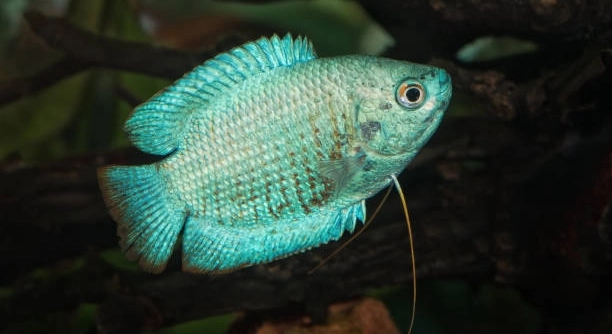
Do you ever find yourself decorating your gourami tank and wondering if they care about the objects floating at the top?
Gourami may show interest in floating toys or objects, particularly if these items provide cover or mimic natural floating vegetation. However, not all gourami respond the same way, and their behavior can vary based on individual personality and tank conditions.
Floating objects can change how your gourami interact with their environment, offering mental stimulation and potential comfort in the aquarium space.
Why Some Gourami Respond to Floating Objects
Gourami are known for their curiosity and awareness of their surroundings. Floating objects can attract their attention because they often resemble natural items found in their wild habitats, like leaves or plant debris. Some gourami may interact with these objects, especially if they feel safe or hidden beneath them. In many cases, floating toys also provide a sense of shelter or territory, which gourami may use for rest or as a boundary marker. These fish prefer a calm environment, so objects that move gently with the current tend to be more appealing. Avoid bright or overly reflective items, as these can cause stress rather than interest. Observing your gourami’s reaction is the easiest way to determine what works best in their space.
Each gourami has its own preferences, so not all will respond the same way to floating objects. Personality plays a role in how they interact with their environment.
Simple items like floating plastic leaves or soft foam shapes can be useful. These additions offer your gourami something to investigate without disrupting the tank’s layout. You can also use natural options like Indian almond leaves, which release helpful tannins and create a calm surface layer. Just be sure to monitor water conditions regularly.
What to Avoid When Adding Floating Toys
Not all floating objects are safe for aquarium use. Some materials may release harmful chemicals into the water, especially if not designed for aquatic environments.
Always choose non-toxic, aquarium-safe materials when adding toys or decorations. Avoid anything with sharp edges, strong dyes, or strong odors. These can affect water quality or injure your fish. In addition, overcrowding the surface can block oxygen exchange and cause discomfort for gourami, who often breathe from the surface using their labyrinth organ. Keep floating items to a minimum, ensuring they serve a purpose and do not clutter the top of the tank. Also, regularly clean or replace these objects to prevent buildup of algae or bacteria. Watching your gourami’s behavior is a helpful way to know if something needs to be removed. If they ignore the object completely or seem to avoid that area of the tank, it may not be suitable. A clean, calm tank with minimal clutter will keep your gourami more relaxed and active.
Best Types of Floating Toys for Gourami
Soft, lightweight items that float gently are ideal. Foam shapes, floating rings, or dried leaves offer safe surfaces without stressing the fish. Avoid anything flashy or fast-moving, as gourami prefer a calm, stable surface area in their tanks.
Floating rings made of aquarium-safe foam can help section off areas at the surface, giving your gourami a place to feel secure. Dried Indian almond leaves are also a natural option that slowly release tannins, promoting a more comfortable water environment while providing cover. Avoid plastic items with seams, glue, or paint, which can leach into the water over time. Ensure anything added to the tank doesn’t affect oxygen flow, as gourami breathe at the surface. Regularly rinse or replace floating items to avoid bacteria buildup. These small additions can make a noticeable difference in your gourami’s comfort and activity levels, as long as they are used sparingly.
Using live floating plants is another simple way to enrich your gourami’s space. Water lettuce and frogbit provide shelter, shade, and mimic their natural environment. These plants also help reduce surface movement, making the area feel more peaceful. Floating plants offer extra benefits like nitrate absorption and a more balanced tank ecosystem. With proper trimming and care, they can be a long-term addition to your setup. However, be mindful of overgrowth, as too many plants can block light and limit gas exchange. Choosing slow-growing varieties helps prevent overcrowding. These plants also tend to stay in place, unlike loose floating toys, which is better for gourami who prefer routine and consistency in their space.
Signs Your Gourami Enjoys Floating Objects
If your gourami swims beneath or rests near the object, it likely provides comfort. They may also explore it occasionally or hover under it for long periods, showing signs of interest and relaxation.
Gourami often use floating cover as a place to retreat or observe their surroundings. When they choose to stay near floating items, especially during rest, this suggests they feel safe in that part of the tank. Slow swimming patterns or gentle movement around the object also point to contentment. If they flare their fins or swim with confidence near the surface, it’s usually a sign that the floating object supports their comfort. However, if you notice your fish hiding constantly or avoiding the item altogether, it might be causing stress instead. Watch for signs like quick darting, surface gasping, or color fading, which can indicate discomfort. Make changes gradually and keep track of their behavior over several days.
How Often to Change or Clean Floating Toys
Floating objects should be cleaned weekly to avoid algae buildup and bacteria growth. If you notice debris, discoloration, or film on the surface, remove the item and rinse it with tank-safe water right away.
Replace floating toys every few months, especially if they show signs of wear or absorb water. Materials can break down over time, even if they’re labeled aquarium-safe. Regular inspection helps keep your tank clean and your gourami healthy.
What to Watch for After Adding Floating Objects
Monitor your gourami for signs of stress such as hiding, erratic swimming, or loss of appetite. If they avoid the new item completely or stay at the bottom of the tank, it may be causing discomfort. Remove it and observe if their behavior returns to normal.
Safe Materials to Use
Stick with soft foam, untreated wood, or natural leaves like Indian almond. These materials are gentle on gourami and won’t harm water quality. Avoid plastics unless specifically marked aquarium-safe.
FAQ
Do gourami need floating toys to feel comfortable?
Gourami do not necessarily need floating toys to thrive, but they often benefit from them. Floating objects provide cover and create a more natural environment, which can reduce stress and encourage natural behaviors. In tanks without any floating cover, gourami may feel exposed and less secure, especially if the tank lacks plants or hiding places. Adding floating toys or plants can improve their comfort and activity levels, but these should complement other tank decorations rather than replace them. Overall, floating items are helpful but not mandatory for gourami care.
Can floating toys harm gourami in any way?
Floating toys can be harmful if made from unsafe materials or if they disrupt water quality. Items with toxic paint, sharp edges, or glue can release harmful substances into the water, posing a risk to gourami health. Additionally, too many floating objects can reduce oxygen exchange at the surface, which gourami rely on for breathing. It is important to use only aquarium-safe materials and keep the surface area mostly open to maintain proper gas exchange. Regular cleaning and monitoring ensure floating toys do not negatively impact the tank.
What are the best floating plants for gourami tanks?
Water lettuce, frogbit, and duckweed are among the best floating plants for gourami tanks. These plants provide shade, cover, and surface stability, mimicking gourami’s natural habitat. They also absorb excess nutrients, improving water quality. Water lettuce grows larger leaves and offers substantial shelter, while frogbit has smaller leaves that spread evenly. Duckweed is fast-growing but requires control to prevent overgrowth. These plants help gourami feel safe by creating calm surface areas and support a balanced aquarium environment.
How do I know if my gourami is stressed by floating objects?
Signs of stress include hiding constantly, erratic or rapid swimming, loss of appetite, and dull or faded colors. If gourami avoid areas under or near floating objects, it may indicate discomfort. Watch for surface gasping or frequent attempts to jump out of the water. Stress often results from poor water quality or unsuitable tank decorations. Removing new floating items and observing any improvement in behavior is the best way to assess their impact.
Is it better to use natural or artificial floating objects?
Natural floating objects, such as Indian almond leaves or live plants, tend to be better for gourami tanks. They provide chemical benefits like tannins and mimic natural conditions more closely. Artificial floating toys can be used safely if they are aquarium-safe and free from harmful chemicals. However, natural objects also help maintain water quality and offer nutritional benefits. Artificial items should be chosen carefully, avoiding bright colors or rough textures that might stress the fish.
How often should floating toys be replaced?
Floating toys should be replaced every three to six months, depending on material quality and wear. Natural items like leaves will break down faster and may need replacement more frequently. Artificial toys may last longer but should be regularly inspected for damage, discoloration, or algae buildup. Timely replacement prevents water contamination and keeps the tank environment safe for gourami.
Can floating toys help gourami during breeding?
Yes, floating toys and plants can create suitable breeding conditions. Male gourami often build bubble nests on or beneath floating surfaces. Providing stable floating plants or soft objects gives them a place to attach nests securely. This encourages natural breeding behavior and offers protection for eggs and fry. Floating objects also reduce water movement, helping maintain a calm environment during breeding. However, ensure floating toys do not overcrowd the surface or restrict oxygen exchange.
What should I do if my gourami ignores floating toys?
If gourami show no interest in floating toys, it may simply reflect their individual behavior or tank setup. Some gourami prefer open swimming space or use other hiding spots. Consider trying different types of floating objects or adding live plants to see if they respond. Ensure water parameters and tank conditions are suitable, as stress or poor health can affect activity levels. It’s not necessary to force interaction; focus on maintaining a balanced environment that supports your gourami’s well-being.
Are there risks of overcrowding the tank with floating objects?
Yes, overcrowding with floating toys or plants can limit oxygen exchange at the surface, which is crucial for gourami’s labyrinth breathing. It can also block light and reduce swimming space, leading to stress. Keep floating items to a minimum, allowing open water areas and good surface gas exchange. Regular maintenance to trim plants and remove excess decorations helps maintain a healthy balance in the tank.
Can gourami use floating objects for play or interaction?
Gourami are curious and may interact with floating objects, often exploring or hovering beneath them. While not “play” in the human sense, this interaction provides mental stimulation and comfort. Floating toys that resemble natural elements can encourage natural behaviors like foraging or resting under cover. Providing these objects enhances the tank environment and may improve overall fish activity and well-being.
Final Thoughts
Floating toys and objects can be a useful addition to gourami tanks, but they are not absolutely necessary for the fish to live well. Gourami benefit most from an environment that offers shelter and security, which floating items can help provide by mimicking their natural habitat. These objects create shaded areas and resting spots near the water surface, reducing stress and encouraging natural behavior. However, gourami also need enough open space for swimming and proper oxygen exchange at the surface, so it is important to balance floating decorations with these needs. Choosing the right materials and regularly maintaining the objects will help keep the tank safe and comfortable.
It is important to consider the type of floating items used in the aquarium. Natural materials, such as live floating plants or Indian almond leaves, often provide additional benefits like improving water quality and releasing mild tannins that can support fish health. Artificial floating toys are an option, but only if they are aquarium-safe, free of toxic substances, and regularly cleaned to prevent algae buildup. Overcrowding the surface with too many floating objects can reduce oxygen levels and limit light, which may harm gourami and other tank inhabitants. Monitoring fish behavior after adding floating items is necessary to ensure they do not cause stress or discomfort.
Ultimately, the goal is to create a balanced, stable environment for gourami. Floating toys can enhance the tank’s appearance and offer extra hiding places, but they should be chosen carefully and used in moderation. Each gourami’s preferences and behavior may vary, so adjustments might be needed to find what works best. Maintaining clean water, proper tank conditions, and suitable decorations will promote the health and well-being of gourami. Floating objects are one of many tools to support their care, but the overall aquarium setup plays a larger role in their comfort and happiness.

Hello,
If you enjoy the content that we create, please consider saying a "Thank You!" by leaving a tip.
Every little bit helps us continue crafting quality advice that supports the health, happiness, and well-being of pets around the world, for pets of all shapes, sizes, and species.
We really appreciate the kindness and support that you show us!