
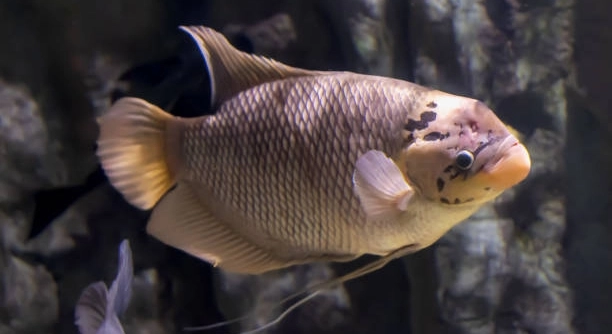
Are your gouramis acting a bit aggressive and nipping at the fins of their tank mates? You’re not alone in noticing this behavior.
Gouramis may nip fins due to territorial instincts, stress, overcrowding, lack of space, mismatched tank mates, breeding behavior, or boredom. Identifying the root cause is essential for promoting a more peaceful and balanced aquarium environment.
These behaviors might seem harmless at first, but they can lead to stress and injury for other fish if not properly addressed.
Territorial Behavior Is Common in Gouramis
Gouramis are naturally territorial, especially in smaller tanks or during breeding periods. When they feel their space is being invaded, they may lash out by nipping at other fish. This is more noticeable in male gouramis, who often claim specific areas of the tank and guard them. If another fish wanders too close, it can trigger a defensive response. Even peaceful species can show signs of aggression when they feel cramped or threatened. Providing more space, adding visual barriers, and arranging decorations to break up lines of sight can help reduce this behavior. It’s also helpful to monitor the tank closely during breeding season and to separate aggressive individuals if needed. Nipping often starts as a warning and can escalate if not addressed early. Ensuring your gouramis have enough personal space and aren’t competing too heavily for territory is one of the first steps in preventing fin-nipping issues.
Gouramis that lack space will often react negatively, and that can create a stressful tank environment for other fish.
A tank with more hiding spots, plants, and swimming space can help reduce competition and create a calmer environment for all your fish.
Some Gouramis Get Bored Easily
When gouramis don’t have enough to do, they may begin to harass other fish just to stay active. This often leads to fin nipping.
A lack of stimulation in their environment can result in unwanted behaviors, including aggression. Gouramis enjoy exploring, and when their tank setup is too plain or lacks features that engage them, they may start picking at tank mates out of restlessness. This can become a regular pattern if nothing changes. Adding floating plants, changing the layout occasionally, and providing small toys or objects for exploration can help. Some gouramis even respond well to having a gentle current to swim against or interactive feeding times. These changes keep them active and reduce their need to create stimulation through negative interactions. A stimulating environment supports both their mental and physical health, reducing the chance of aggression toward other fish and improving the overall health of the tank.
Stress From Poor Tank Conditions
Stress can make gouramis more likely to nip at fins, especially when water parameters are off. Poor filtration, high ammonia, or inconsistent temperatures can all lead to agitation and unpredictable behavior in the tank.
When the tank environment isn’t stable, fish can become defensive or anxious. Gouramis are sensitive to shifts in water quality and may lash out when they’re uncomfortable. Keep water parameters steady with regular testing, weekly water changes, and a reliable filtration system. Avoid overstocking the tank, as this can add to the bio-load and worsen water conditions. A calm, clean tank supports healthier behavior and less aggression. Also, try to reduce noise and vibrations around the tank, since external disturbances can increase stress in some fish. Once tank conditions are improved, many aggressive behaviors, including fin nipping, often decrease noticeably over time.
Stable water quality makes a difference in how gouramis interact with other fish. Ammonia, nitrite, and nitrate levels should always stay within a safe range. Ammonia and nitrite should be at zero, while nitrates should remain low. Use a test kit weekly to track changes. Make small adjustments rather than large ones, as sudden changes can create more stress. Over time, maintaining consistent tank conditions helps reduce fin nipping and supports better group dynamics.
Aggression Increases During Breeding
Breeding behavior often brings out the most aggressive side of gouramis. Males become territorial and can start nipping other fish, especially when guarding bubble nests or claiming space for spawning.
During breeding periods, male gouramis shift their focus toward guarding their nest and keeping others away. This protective instinct makes them more prone to chasing and nipping at any nearby fish. Even peaceful tank mates may be seen as threats. If breeding behavior is causing too much stress in the tank, it’s helpful to separate the breeding pair or rearrange the layout to break up sightlines. Temporary dividers can also create space for the breeding pair while protecting the rest of the fish. Additionally, be cautious with tank mates during this time, avoiding slow-moving or long-finned fish that may become targets. Once the breeding cycle ends, aggression usually decreases, but managing the tank well during this phase is key to reducing harm.
Tank Mates May Not Be a Good Match
Some fish are too slow or timid to live with gouramis. Long-finned species like guppies or angelfish can attract unwanted attention and are more likely to get nipped repeatedly by curious or territorial gouramis.
Choosing tank mates that match the gourami’s temperament helps reduce stress. Active, similarly sized fish that aren’t flashy or aggressive are usually better choices. Avoid fish that provoke or crowd your gourami, as this often leads to chasing or nipping. Peaceful community fish with enough space to swim away can coexist more easily in a shared tank.
Not Enough Hiding Spots or Decor
A plain tank makes it easier for gouramis to target other fish. Without plants, caves, or barriers, fish have nowhere to retreat during conflict. Add tall plants, driftwood, or rock structures to give all fish more places to hide. This lowers stress and breaks line of sight.
Overcrowding Leads to Tension
Too many fish in a tank leaves little room to escape from aggression. Crowded conditions increase competition for space, leading to frustration. Gouramis may feel trapped and become more likely to act out. Keeping fish at a safe stocking level helps reduce tension and allows more natural behavior.
FAQ
Why do gouramis nip fins even in peaceful tanks?
Even in calm tanks, gouramis may nip fins out of curiosity, boredom, or mild dominance behavior. If a tank is too quiet or lacks stimulation, some fish explore their surroundings by nipping at others. They may also be testing boundaries, especially in newer environments. Personality differences among individual gouramis also play a role. Some are naturally more assertive than others, even in stable conditions. Adding plants, hiding spaces, and enriching the tank environment with decorations or changes in layout may reduce fin-nipping caused by boredom or mild aggression.
Is fin-nipping dangerous to other fish?
Yes, frequent fin-nipping can lead to injury or infection. Torn fins are open wounds that expose fish to bacteria and fungus, which can quickly develop into fin rot. Some fish may also become stressed and stop eating if they’re constantly harassed. If you see signs of fraying fins, isolate the injured fish in a hospital tank for treatment. Clean water, antibacterial treatments, and a calm space can help healing. Long-term safety requires identifying the reason behind the nipping and adjusting the tank setup, stocking choices, or care routine to stop the behavior.
Can gouramis be kept with bettas or angelfish?
It’s risky. Bettas and angelfish are known to have long, flowing fins and can trigger territorial responses from gouramis. Both species may also respond with aggression of their own. Housing them together often leads to chasing, fin damage, and stress on both sides. If you decide to try it, use a very large tank with dense plant cover, and monitor closely for signs of tension. Still, it’s usually safer to avoid pairing them. Stick to calm, short-finned fish that do not compete for space or trigger defensive behavior in gouramis.
How can I tell if my gourami is the one nipping fins?
Watch the tank during feeding and rest periods. The nipping fish often swims close to others and darts quickly toward them. You might also notice torn fins on tank mates over time while one fish remains uninjured. Set aside time to observe their interactions for a few minutes each day. If you spot nipping behavior directly, that confirms the cause. Video recordings can help if the behavior happens when you’re not around. Identifying the individual fish allows you to isolate it, rehome it, or adjust tank conditions to reduce conflict.
Should I remove a fin-nipping gourami?
If the behavior is constant and causing harm, removal may be the best option. Try to reduce triggers first—add decor, check water conditions, and reassess tank mates. If these changes don’t help, relocate the gourami to another tank or rehome it. Fin-nipping can sometimes be managed with changes, but not always. Long-term injuries or stress to other fish should be avoided. A separated or rehomed gourami can live peacefully in a more compatible setting. It’s important to balance the well-being of all fish in the tank, not just the aggressive one.
Are certain gourami species more aggressive than others?
Yes, species like the three-spot (blue) gourami and gold gourami are more likely to show dominant or aggressive behavior. Dwarf gouramis are usually calmer, but individuals still vary. Pearl and honey gouramis tend to be the most peaceful. When choosing a gourami species, consider tank size, temperament, and potential tank mates. Avoid mixing multiple males of more assertive species in small tanks. Researching species differences before purchase helps prevent future problems. Always keep in mind that fish have personalities, so even a peaceful species may include one aggressive individual.
How do I prevent fin-nipping when setting up a new tank?
Start by choosing peaceful fish that match well with gouramis in size and behavior. Avoid flashy, slow, or aggressive species. Provide plenty of space and include plants, driftwood, or decorations to break lines of sight. Stick to one male gourami per tank unless it’s very large. Keep a close eye during the first few weeks. If you see early signs of aggression, act quickly—rearrange the tank or separate fish before things get worse. A calm setup from the beginning helps gouramis settle in without becoming territorial or stressed.
Final Thoughts
Gouramis are beautiful and interesting fish, but their behavior can sometimes cause trouble in a shared tank. Fin-nipping is one of those behaviors that may seem small at first but can become a problem if left unchecked. While not every gourami will nip fins, it is a known behavior in certain situations. Tank conditions, species type, and individual temperament all play a part. Understanding the cause can help prevent injuries and reduce stress for all your fish. Keeping a peaceful tank often means staying aware of these small signs and making adjustments as needed.
It helps to create an environment that limits the chance for stress and conflict. Providing enough space, adding plants or decorations, and choosing calm tank mates can make a big difference. In smaller tanks or those with the wrong mix of fish, it becomes easier for fin-nipping to happen. Watching your gouramis during feeding times or when the tank is quiet can help you spot any early signs of aggression. Once you know which fish is causing problems, it’s easier to fix the issue—whether that means rehoming, adding more cover, or rearranging the setup.
Maintaining a calm aquarium takes a bit of patience, but it’s worth the effort. Each fish in your tank depends on you to keep their space safe and healthy. By learning about the reasons behind fin-nipping, you can make better decisions when stocking your tank and planning its layout. If a gourami does start nipping fins, try adjusting the tank before deciding to remove the fish. Sometimes, simple changes can stop the behavior. But if the nipping continues and harms other fish, it’s okay to move the gourami to a better setting. In the end, finding the right balance is the key to keeping your fish peaceful and healthy.

Hello,
If you enjoy the content that we create, please consider saying a "Thank You!" by leaving a tip.
Every little bit helps us continue crafting quality advice that supports the health, happiness, and well-being of pets around the world, for pets of all shapes, sizes, and species.
We really appreciate the kindness and support that you show us!