
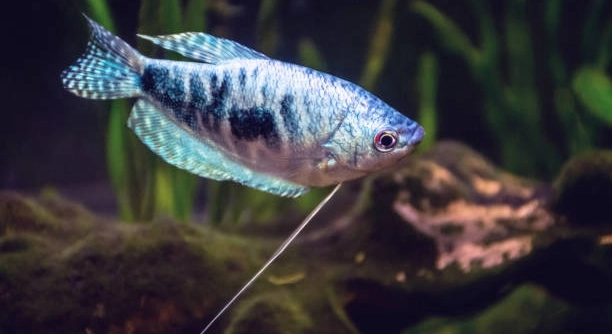
Gouramis are popular freshwater fish kept in home aquariums. Many owners notice their fish often seem to watch them closely. This behavior raises questions about what gouramis understand about their environment.
Gouramis do recognize movement and may respond to being watched, but this is mostly due to natural curiosity and awareness of changes around them. They do not have the cognitive ability to understand being observed as humans do.
Learning about gourami behavior can help owners better connect with their fish. Understanding these subtle signs improves care and creates a more engaging aquarium experience.
How Gouramis React to Movement
Gouramis are naturally alert fish that respond quickly to changes in their surroundings. When you move near their tank, they often swim closer or pause to watch what is happening. This behavior is driven by their need to stay aware of potential threats or food sources. They use their keen eyesight to detect movement, which helps them react appropriately. Sometimes, they might even come to the glass as if they are curious about you. While this may seem like they are “watching” you with intention, it is mostly instinct. Gouramis are also territorial, so they pay attention to anything new in their space. This reaction helps them protect themselves and their territory. Over time, they might get used to your presence and respond less actively, especially if they don’t see you as a threat or food provider.
Gouramis’ response to movement is based on instinct, not awareness of being watched. They react to what their senses detect.
Recognizing these natural behaviors helps aquarium owners understand their gouramis better. Instead of imagining complex thoughts behind the fish’s gaze, it’s clearer that gouramis rely on basic survival instincts. Their alertness to motion keeps them safe and can also signal their mood. For example, a calm gourami might stay still, while an active one is more watchful. This knowledge can guide how often you interact with your fish and when to give them space. Observing without disturbing creates a healthier environment for gouramis to thrive.
Can Gouramis Recognize Their Owners?
Gouramis do not recognize individual humans like pets such as dogs or cats might. They do learn to associate certain actions, such as feeding, with specific people over time. This association is simple and based on routine rather than personal recognition. When you approach their tank, gouramis may respond because they expect food, not because they know you specifically. They rely on consistent signals like the sound of tapping or movement at feeding times. However, this conditioned response does not mean the fish have memory or emotions tied to a person. It’s more about anticipating rewards based on learned patterns. This behavior can make it feel like your gourami “knows” you, but it’s important to remember it is basic learning.
While gouramis do not truly recognize owners, they can learn to expect feeding from familiar cues.
This understanding helps manage expectations when caring for gouramis. It is rewarding to see your fish swim up during feeding time, but this is a reaction to habit. Maintaining consistent feeding routines reinforces this behavior. Changing routines might confuse your fish and cause stress. By keeping a steady schedule, you create a sense of security for gouramis that they respond to naturally. While they may never greet you like a dog, their reactions show they are comfortable in their environment. Paying attention to these simple interactions can make fishkeeping more enjoyable and meaningful.
Signs Gouramis Notice You
Gouramis often respond to your presence with subtle behaviors like following your movements or swimming near the glass. These signs show their alertness, not awareness.
When you move around the tank, gouramis may swim closer or stay still, watching carefully. They use these moments to gather information about their environment. Sometimes, they will flare their fins or change colors slightly, which can indicate interest or mild stress. These behaviors are natural responses to stimuli rather than deliberate communication. Over time, they may show less reaction if they get used to seeing you regularly.
Some gouramis also respond to sounds or vibrations you make near the tank. Tapping the glass or sudden noises might startle them, while gentle, consistent noises during feeding can create a routine. Their ability to notice you depends on their personality and comfort level. Watching for these signs helps owners understand how their fish feel and adapt care to reduce stress.
Understanding Gourami Behavior
Gouramis have simple instincts shaped by their need to survive and thrive in their environment. Their reactions are based on these instincts rather than complex emotions.
They are territorial and sensitive to changes, which is why they react quickly to movement or new objects. Their bright colors and fin displays serve to warn rivals or attract mates. Social behavior varies between species, with some gouramis being more peaceful and others aggressive. Recognizing these patterns helps in providing an environment that suits their natural habits. Stress from overcrowding or poor water quality can cause unusual behaviors, so keeping their tank clean and stable is important for their well-being. Observing behavior regularly lets owners catch early signs of problems and ensure their gouramis stay healthy and active.
Do Gouramis Feel Stress When Watched?
Gouramis can become stressed if they feel threatened or constantly watched. Stress affects their health and behavior, making it important to give them space.
Avoid tapping the glass or making sudden movements near the tank. Calm and steady interactions help gouramis feel safe and comfortable.
How to Reduce Gourami Stress
Providing hiding spots and plants creates a secure environment for gouramis. These areas let them retreat when they feel uneasy. Maintaining stable water conditions and avoiding overcrowding also reduce stress. Regular feeding schedules help gouramis feel safe, as they learn to expect food at certain times. Reducing noise and sudden movements near the tank creates a peaceful space for them. Watching your gouramis calmly without startling them encourages natural behavior and builds a better connection over time. This approach improves their overall well-being and makes the aquarium more enjoyable.
Can Gouramis Get Used to Being Watched?
Yes, gouramis often become accustomed to regular observation. Familiarity with your presence reduces their stress and curiosity over time.
How do gouramis react when they see a person near their tank?
Gouramis often react to movement near their tank by swimming closer or watching intently. This is a natural response to changes in their environment. They may become more active or still, depending on how comfortable they feel. This behavior comes from their instincts to notice potential threats or food sources. Over time, regular interaction might make them less reactive, as they get used to seeing people.
Can gouramis recognize their owners?
Gouramis do not recognize owners like pets such as cats or dogs. They learn to associate feeding times and certain sounds with people but this is a simple conditioned response. It’s based on routine rather than true recognition. So, while your gourami may swim to the front of the tank when you approach, it is because they expect food, not because they know you personally.
Do gouramis feel stressed if they are constantly watched?
Yes, gouramis can become stressed if they feel watched too much or if there are sudden movements and noises around them. Stress can affect their health, causing them to hide more or lose appetite. It is best to observe them calmly and avoid tapping on the glass or making quick gestures. Giving them space and a peaceful environment helps reduce stress.
What signs show that a gourami is stressed?
Signs of stress in gouramis include hiding frequently, loss of appetite, faded colors, and erratic swimming. They might also flare their fins or show rapid breathing. Stress can come from poor water quality, overcrowding, or too much disturbance. Watching for these signs early allows owners to make changes and help their fish feel better.
How can I help my gourami feel safe and comfortable?
Creating a calm environment with plenty of plants and hiding spots helps gouramis feel secure. Stable water temperature and quality are important. Avoid overcrowding the tank and keep a regular feeding schedule. Gentle movements around the tank and reducing noise will also make your gourami more relaxed. Over time, they may become comfortable with your presence.
Why do gouramis sometimes follow my finger on the glass?
Gouramis may follow your finger because they notice movement and are curious. This behavior can also be linked to feeding time, where they expect food when you approach the tank. It’s a natural reaction to visual stimuli rather than understanding that the finger belongs to you.
Can gouramis communicate with each other or with humans?
Gouramis communicate mainly through body language, like fin displays and color changes. They use these signals to show dominance, attract mates, or warn others. Communication with humans is limited to reacting to movement and routine, not understanding words or emotions.
How often should I interact with my gourami to keep it comfortable?
Regular, calm interaction is best. Watching your gourami daily helps them get used to your presence. Avoid sudden movements or loud noises during these times. Feeding your fish on a schedule helps build trust and comfort, but too much disturbance can cause stress.
Do gouramis recognize feeding time by cues other than people?
Yes, gouramis can recognize sounds, vibrations, or light changes that signal feeding time. They rely on these cues to anticipate food, which is part of their learning process. Consistent routines help reinforce this behavior.
Can a gourami get lonely or bored?
Gouramis are social to varying degrees depending on the species. Some need companions, while others prefer solitude. Boredom can happen if their environment lacks stimulation. Adding plants, decorations, or tank mates suitable for gouramis can help keep them engaged.
Is it okay to tap the glass to get my gourami’s attention?
Tapping the glass is not recommended. It can startle and stress your fish. Instead, approach the tank calmly and let them notice you naturally. Gentle interaction is better for their well-being.
What should I do if my gourami hides all the time?
If your gourami hides frequently, check the tank conditions first. Poor water quality, too bright lights, or aggressive tank mates could cause stress. Make sure the tank has enough hiding spots and the environment is stable. Sometimes gouramis hide during illness, so observe closely for other symptoms.
How can I tell if my gourami is healthy?
A healthy gourami is active, eats regularly, and shows bright colors. Their fins should be intact without tears or spots. Normal breathing and smooth swimming are signs of good health. If you notice changes in behavior or appearance, it may be time to test water quality or seek advice.
Do gouramis need interaction with humans to thrive?
Gouramis do not require human interaction to survive but can benefit from regular observation. Interaction helps owners notice changes in behavior or health. Calm presence can reduce fish stress over time, but gouramis mainly depend on good tank care.
Can gouramis get used to being watched?
Yes, gouramis often become accustomed to regular observation. Familiarity reduces stress and their initial curiosity. They may show less reaction as they grow comfortable with your presence and routine care.
Gouramis are interesting fish that often seem to notice when someone is near their tank. Their natural curiosity and alertness make them react to movement or changes around them. While it may feel like they are watching you on purpose, their behavior is mostly driven by instincts to stay safe and find food. Gouramis pay attention to what is happening in their environment but do not have the ability to understand being watched in the way humans do. Recognizing this helps set clear expectations for how they interact with people.
It is important to create a calm and comfortable environment for gouramis. Stress from too much disturbance or sudden movements can affect their health and behavior. Providing hiding spots, maintaining clean water, and avoiding overcrowding help gouramis feel secure. Over time, they may become used to regular observation and gentle interaction, which can make them more relaxed around humans. Feeding routines and a peaceful tank atmosphere build a sense of safety for these fish. Observing their natural behaviors can be rewarding, but it’s good to remember their reactions are based on simple instincts.
Understanding gouramis better allows owners to care for them more thoughtfully. While they don’t recognize owners personally, they respond to routines and feel safer in familiar surroundings. Watching them calmly and giving them space supports their well-being. Gouramis bring life and color to an aquarium, and knowing how they react to being watched helps create a positive environment. With patience and care, gouramis can thrive and offer enjoyment through their unique behaviors and presence.

Hello,
If you enjoy the content that we create, please consider saying a "Thank You!" by leaving a tip.
Every little bit helps us continue crafting quality advice that supports the health, happiness, and well-being of pets around the world, for pets of all shapes, sizes, and species.
We really appreciate the kindness and support that you show us!