
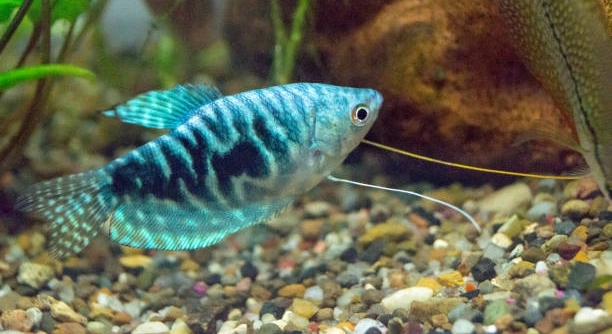
Gouramis are colorful and peaceful fish that many enjoy keeping at home. Providing them with the right diet helps keep them active and vibrant. Knowing which foods support their health is important for any fish owner.
A balanced diet for gouramis includes protein-rich foods, vegetables, and occasional live or frozen treats. These foods support their immune system, growth, and overall well-being, ensuring they remain healthy and display their natural colors.
Learning which foods work best for gouramis can improve their lifespan and happiness in your aquarium.
Protein-Rich Foods for Gouramis
Protein is essential for gouramis because it helps build strong muscles and supports their immune system. Common protein sources include bloodworms, brine shrimp, and daphnia. These foods are usually available live, frozen, or freeze-dried, making them convenient for feeding. Feeding protein-rich foods a few times a week ensures gouramis get the nutrients they need without overfeeding, which can cause water quality issues. High-quality flake or pellet foods formulated for gouramis often contain enough protein for daily feeding. It is important to vary their diet to prevent nutritional gaps. Overfeeding protein alone may lead to obesity or digestive problems, so balance is key. Including protein helps gouramis stay active and maintain vibrant colors, which makes them more enjoyable to watch. These foods mimic what gouramis would eat in their natural habitats, making them easier to digest and absorb.
Protein-rich foods should be given in moderation to avoid water pollution and health problems.
Offering a mix of protein sources keeps gouramis healthy and reduces boredom during feeding time. Rotating foods also supports a balanced diet, helping gouramis grow steadily and fight off diseases more effectively.
Vegetables and Plant-Based Foods
Vegetables are an important part of a gourami’s diet because they provide fiber and vitamins that protein alone cannot supply. Many gouramis enjoy blanched spinach, zucchini, and peas. These vegetables should be softened before feeding to prevent choking and aid digestion. Small amounts given several times a week are enough to meet their dietary needs without affecting water quality. Plant matter helps with digestion and keeps the fish’s gut healthy. It also adds variety to their meals, encouraging natural foraging behavior. Frozen or freeze-dried vegetable options are also available for convenience. Including vegetables supports overall health and can improve the color intensity of gouramis. Regular feeding of plant-based foods promotes balanced nutrition, which is vital for long-term health and vitality.
Adding vegetables to their diet can prevent nutritional deficiencies and promote good digestion in gouramis.
Live Foods and Treats
Live foods like brine shrimp and daphnia are excellent treats for gouramis. They are high in protein and encourage natural hunting behavior, which keeps the fish active and engaged.
Live foods provide essential nutrients that support growth and immunity. They also stimulate the fish’s appetite and add variety to their diet. Feeding live foods occasionally prevents boredom and can improve overall health. However, it is important to source live foods from reputable suppliers to avoid introducing diseases into the aquarium. Live foods should complement a balanced diet rather than replace staple foods like pellets or flakes. They can be offered once or twice a week, depending on the gourami’s size and appetite.
When feeding live foods, observe your gouramis to ensure they consume everything. Uneaten live food can quickly pollute the water, so feeding in moderation is important. Combining live foods with other diet components helps maintain a healthy and vibrant fish.
Frozen and Freeze-Dried Foods
Frozen and freeze-dried foods offer convenience while retaining much of the nutritional value of live foods. They include bloodworms, brine shrimp, and tubifex worms, making them suitable protein sources for gouramis. These foods can be stored easily and prepared quickly, which is helpful for busy fish keepers. They also reduce the risk of introducing pathogens compared to live foods.
Feeding frozen or freeze-dried foods regularly helps maintain a balanced diet. They provide essential nutrients, support growth, and boost the immune system. Proper thawing or soaking before feeding improves digestibility and reduces the risk of digestive issues. Mixing these foods with flakes or pellets enhances nutritional variety and keeps gouramis interested in their meals. Regular use of frozen or freeze-dried treats complements other foods well, contributing to the fish’s overall health.
Commercial Flake and Pellet Foods
Flake and pellet foods are designed to provide balanced nutrition for gouramis. They contain proteins, vitamins, and minerals needed for daily health. These foods are easy to store and feed, making them a reliable staple.
Choosing high-quality flakes or pellets is important. Look for products made specifically for gouramis or tropical fish to ensure they meet dietary needs. Avoid low-grade options that contain fillers or artificial ingredients, as these can harm fish over time. Feeding small amounts multiple times a day prevents overfeeding and keeps the water cleaner. Regularly including flakes or pellets in the diet supports steady growth and vibrant colors in gouramis.
Avoid Overfeeding
Overfeeding can lead to poor water quality and health problems for gouramis. Feeding only what they can eat in a few minutes helps prevent waste buildup.
Importance of Variety in Diet
Offering a variety of foods ensures gouramis receive all essential nutrients. Different foods contribute proteins, vitamins, and fibers that support overall well-being and reduce dietary deficiencies. A varied diet also keeps gouramis interested in their meals and encourages natural feeding behaviors, which improves their quality of life.
Treats in Moderation
Treats should be given sparingly. Too many treats can disrupt the balance of a gourami’s diet and cause health issues.
What should I feed my gourami daily?
A good daily diet for gouramis includes high-quality flakes or pellets designed for tropical fish. These provide essential proteins, vitamins, and minerals for their health. Feeding small portions two to three times a day helps prevent overfeeding and keeps the water clean. Supplement daily feeding with small amounts of vegetables or frozen foods a few times a week to add variety and balanced nutrition.
Can I feed my gourami only live foods?
Feeding only live foods is not recommended. While live foods like brine shrimp and bloodworms are rich in nutrients and stimulate natural hunting behavior, they do not offer complete nutrition. Live foods should be part of a varied diet that includes flakes, pellets, and plant matter. Relying solely on live foods can lead to nutritional imbalances and may introduce diseases if the live food is not properly sourced.
How often should I feed treats to my gourami?
Treats like live or frozen foods should be given one to two times per week. Treats provide extra protein and keep your gourami interested in their meals but should not replace staple foods. Overfeeding treats can cause digestive problems and pollute the aquarium water, so moderation is important.
Are vegetables necessary for gouramis?
Yes, vegetables play an important role in a gourami’s diet. They supply fiber and essential vitamins that help with digestion and overall health. Blanched spinach, zucchini, and peas are good choices. Vegetables should be softened before feeding to avoid choking and given in small amounts two to three times weekly.
What if my gourami refuses to eat certain foods?
It’s common for gouramis to be picky sometimes. Try offering different types of foods or changing the preparation method, like blanching vegetables or thawing frozen foods thoroughly. Sometimes mixing new foods with familiar ones encourages eating. If refusal continues, check water quality and health, as illness can reduce appetite.
Can overfeeding harm my gourami?
Yes, overfeeding is one of the main causes of poor water quality and fish health issues. Uneaten food decomposes and raises harmful toxins like ammonia. Overfeeding also leads to obesity and digestive problems in gouramis. Feed only what your fish can consume in about two minutes, multiple small feedings per day are better than one large feeding.
Is it okay to feed my gourami human food?
It is generally not recommended to feed human food to gouramis. Many human foods lack the right nutrients and can contain harmful ingredients like salt, spices, or oils. Some vegetables can be fed if prepared properly, but avoid processed or cooked human food. Stick to fish-specific diets for best health outcomes.
How can I tell if my gourami is getting enough nutrition?
Healthy gouramis are active, display bright colors, and grow steadily. They show interest in food and maintain good body shape without signs of bloating or weight loss. Dull colors, lethargy, or abnormal swimming might indicate poor nutrition or health issues. Regularly varying their diet and feeding appropriate amounts helps keep them well-nourished.
Are frozen foods as good as live foods?
Frozen foods retain much of the nutrition found in live foods and are a safer alternative since they carry less risk of introducing disease. Proper thawing before feeding improves digestibility. Freeze-dried foods are convenient but often less nutritious than frozen versions, so they should be rehydrated before feeding and used occasionally.
How do I store gourami food to keep it fresh?
Store dry foods like flakes and pellets in airtight containers away from direct sunlight and moisture. Keep frozen foods in a dedicated freezer and thaw only what you need to avoid repeated freezing and thawing. Proper storage maintains nutritional quality and prevents spoilage, which is important for your gourami’s health.
Providing the right food is key to keeping gouramis healthy and happy. A balanced diet that includes protein, vegetables, and occasional treats gives them the nutrients they need to grow and stay active. Using a mix of commercial flakes or pellets with live, frozen, or freeze-dried foods adds variety and helps prevent boredom. Vegetables are also important as they support digestion and provide vitamins that are not found in protein alone. Feeding the right amounts and types of food makes a big difference in the fish’s overall health and appearance.
It is also important to avoid overfeeding, which can cause problems both for your gouramis and your aquarium. Leftover food can pollute the water, making it unhealthy for fish. Overfeeding can also lead to weight gain and digestive troubles in gouramis. Feeding small portions several times a day is better than giving a large amount at once. Watching how much your gouramis eat and adjusting the food accordingly helps maintain good water quality and keeps the fish in good shape.
Keeping a regular feeding routine and providing a variety of foods will support your gouramis’ long-term health. Using fresh, quality foods and rotating their diet will help them stay vibrant and strong. Remember, a healthy diet is just one part of good fish care, but it is a very important one. Paying attention to what and how much you feed can improve your gouramis’ lifespan and make your aquarium more enjoyable to watch. Taking these simple steps makes a big difference in keeping your gouramis thriving.

Hello,
If you enjoy the content that we create, please consider saying a "Thank You!" by leaving a tip.
Every little bit helps us continue crafting quality advice that supports the health, happiness, and well-being of pets around the world, for pets of all shapes, sizes, and species.
We really appreciate the kindness and support that you show us!