
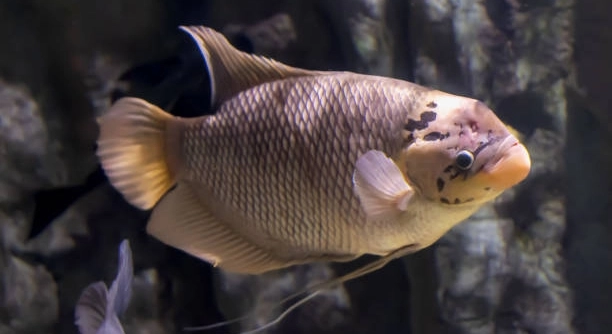
Gouramis are popular freshwater fish known for their peaceful nature and bright colors. Many fish owners enjoy watching them swim and interact in their tanks. However, gouramis can sometimes show signs of boredom that go unnoticed.
Gourami boredom is often indicated by changes in behavior such as reduced activity, loss of appetite, repetitive swimming patterns, and lack of interaction with their environment or other fish. These signs suggest the fish is not mentally stimulated or engaged in its habitat.
Recognizing these subtle signs can help you improve your gourami’s well-being and create a more enriching environment for your aquatic friend.
Lack of Activity and Hiding
When gouramis get bored, one of the first things you might notice is a drop in their activity level. They may stop exploring their tank or swimming around as much as usual. Instead, they might spend more time hiding behind plants, decorations, or even near the filter. This behavior shows they are less interested in their environment. Sometimes, they hover in one spot or rest at the bottom for long periods. This lack of movement can also be a sign that they are stressed or not stimulated enough. It’s important to keep their tank interesting with plants, hiding spots, and varied decorations so they don’t feel stuck or bored. Changing the tank layout from time to time can also encourage them to explore more and stay active.
A bored gourami often prefers hiding rather than swimming freely. This avoidance shows discomfort or disinterest in its surroundings.
Providing new objects or rearranging the tank can help your gourami become curious again and more active in its space.
Repetitive Swimming Patterns
Gouramis sometimes swim in repetitive loops or follow the same path over and over when they are bored. This repetitive behavior is a sign that they are not mentally stimulated and might be trying to find something to do. It’s similar to pacing in other animals that lack enrichment. This pattern can also cause physical stress or exhaustion if it goes on for too long. Adding variety to their tank, like plants, tunnels, or different textures, can break this routine. Even changing the lighting or feeding schedule might help reduce this repetitive swimming. Watching your gourami closely can help you notice these signs early so you can make adjustments. Sometimes, introducing a compatible tank mate can also add some social interaction to keep boredom away. Keeping their environment dynamic is key to preventing repetitive behaviors.
Loss of Appetite
A bored gourami often shows less interest in food. This can be a clear sign that something is wrong with its environment or mental state.
When gouramis get bored, their eating habits can change dramatically. They may refuse food or eat less than usual, which can lead to weight loss and weaker health. This lack of appetite often happens because they aren’t stimulated enough or feel stressed. Feeding them a varied diet and offering food in different ways can help encourage eating. Sometimes, boredom causes them to lose interest in feeding routines, so changing feeding times or introducing live or frozen foods can rekindle their appetite.
If your gourami is not eating well, it might also be a sign of underlying health issues or poor water quality. Always check these factors first before assuming boredom. Providing a clean, enriched environment is key to keeping your fish healthy and interested in food.
Lack of Interaction
Gouramis usually interact with other fish or their surroundings, but boredom makes them withdrawn and uninterested. They may avoid other fish or ignore tank activities.
When boredom sets in, gouramis lose their curiosity and become less social. They might stay isolated or stop responding to stimuli, like movement outside the tank or the presence of tank mates. This withdrawal affects their mood and overall well-being. Encouraging interaction through new decorations, tank mates, or environmental changes can boost their engagement. Social gouramis benefit from companionship but only with compatible species to avoid stress. Observing their behavior closely helps to identify when they are losing interest in their environment and when it’s time to make changes to keep them active and connected.
Color Fading
A bored gourami may lose its vibrant color and look dull or faded. This change can be subtle but noticeable over time.
Color fading is often linked to stress or poor mental stimulation. When a gourami isn’t engaged, its health can decline, and this shows through its appearance.
Excessive Bubble Nest Building
Gouramis sometimes build bubble nests when bored or stressed, even if no mate is nearby. This behavior can become repetitive and excessive. It’s a way for them to pass time or cope with lack of stimulation in their tank.
Restlessness
Restlessness in gouramis often shows as sudden bursts of frantic swimming or darting around the tank. This behavior can signal boredom or discomfort, indicating the fish needs a more engaging environment.
How can I tell if my gourami is bored or sick?
Sometimes it’s hard to tell if a gourami is bored or actually sick because some signs overlap. Boredom usually shows through repetitive behaviors, lack of interest in food, and hiding more than usual. Illness, on the other hand, often includes physical symptoms like clamped fins, spots, or rapid breathing. If your gourami is just less active but looks physically healthy, boredom might be the cause. Always check water quality and temperature first, as poor conditions can make the fish seem sick or bored. If symptoms like lethargy or loss of appetite continue with physical changes, it’s best to consult a vet or a fish expert.
What can I do to prevent boredom in gouramis?
Keeping gouramis entertained means providing a stimulating environment. This can include live plants, hiding spots, and decorations that encourage exploration. Changing the tank layout every few weeks helps keep things interesting. Feeding a varied diet with live or frozen foods can also spark their natural hunting instincts. Social interaction helps too—adding compatible tank mates can reduce boredom but make sure they get along well. Gentle water movement or bubbles can also entertain gouramis. The key is to create a tank that mimics their natural habitat as closely as possible, so they stay curious and active.
Is it normal for gouramis to hide a lot?
Gouramis naturally like to hide sometimes, especially if they feel stressed or want to rest. But if hiding increases suddenly or they stay hidden for long periods, it might be a sign of boredom or discomfort. Too little stimulation can make them retreat more often. Make sure the tank has enough places to hide but also open spaces for swimming. If your gourami is hiding constantly, check the water quality and tank conditions. Adding new plants or rearranging decorations can encourage them to come out and explore more.
Can changing tank decorations help with gourami boredom?
Yes, changing decorations is a simple but effective way to reduce boredom. Gouramis are curious by nature and enjoy exploring new spaces. Rearranging plants, adding tunnels, or placing new objects gives them fresh things to investigate. This change encourages natural behaviors like swimming and hiding. Regular changes keep their environment dynamic and prevent them from getting used to a dull setup. Just be careful not to stress them by changing everything at once. Small adjustments over time work best.
Are gouramis social fish? Should I keep more than one?
Gouramis can be social but it depends on the species. Some gouramis enjoy company and feel more secure with tank mates, while others prefer to be alone or in small groups. Adding compatible fish can provide interaction and reduce boredom, but overcrowding or aggressive companions may cause stress. Always research the specific gourami species and their temperament before adding more fish. Introducing new tank mates slowly and monitoring their behavior helps ensure a peaceful environment.
How often should I feed my gourami to keep it engaged?
Feeding your gourami once or twice a day with varied food keeps them interested and healthy. Using different types of food, like flakes, pellets, frozen, or live foods, stimulates natural hunting and foraging behaviors. Overfeeding can cause health problems and reduce activity, so give only what they can eat within a few minutes. Feeding at different times and varying the routine slightly can keep your gourami curious and prevent boredom.
Can tank size affect gourami boredom?
Yes, a small tank can limit space for swimming and exploring, which often leads to boredom. Gouramis need enough room to move freely and interact with their environment. A larger tank with plenty of plants and hiding places helps keep them mentally stimulated. If your tank is too small, upgrading to a bigger one or adding more decorations to create complexity can improve your gourami’s quality of life. Space and enrichment go hand in hand.
What signs show that my gourami is happy and not bored?
A happy gourami is usually active, swims around confidently, and interacts with its environment. It shows bright colors, eats well, and sometimes builds bubble nests if it’s a male during breeding season. You may see playful behavior or curiosity about new objects or tank mates. Their fins will be open and moving smoothly. These signs indicate that the fish feels comfortable and stimulated in its habitat. Maintaining clean water and a varied environment helps keep your gourami in this good state.
When caring for gouramis, it’s important to recognize the signs of boredom early. These fish need more than just food and clean water—they need an environment that keeps them active and engaged. Boredom can affect their health and behavior, causing problems like loss of appetite, dull colors, and unusual swimming patterns. Paying attention to how your gourami acts daily will help you notice if something is off. Small changes in behavior can tell you a lot about their well-being, so don’t ignore signs like hiding more than usual or swimming in repetitive loops.
Creating a stimulating tank environment is key to preventing boredom. This means adding plants, decorations, and hiding spots that mimic their natural habitat. Changing the layout occasionally can also encourage exploration and curiosity. Feeding a varied diet helps keep gouramis interested and mentally active. If you have other fish, choosing peaceful and compatible tank mates can provide social interaction without causing stress. These simple steps can make a big difference in your gourami’s happiness and health.
In the end, taking time to understand your gourami’s needs will pay off. Boredom isn’t just about a fish being inactive—it can lead to health issues and shorter lifespan. By keeping their environment interesting and watching for signs of boredom, you give your gourami a better quality of life. This care makes your tank a more enjoyable place for both you and your fish. Regular observation and small changes will help your gourami thrive and stay vibrant for years to come.

Hello,
If you enjoy the content that we create, please consider saying a "Thank You!" by leaving a tip.
Every little bit helps us continue crafting quality advice that supports the health, happiness, and well-being of pets around the world, for pets of all shapes, sizes, and species.
We really appreciate the kindness and support that you show us!