
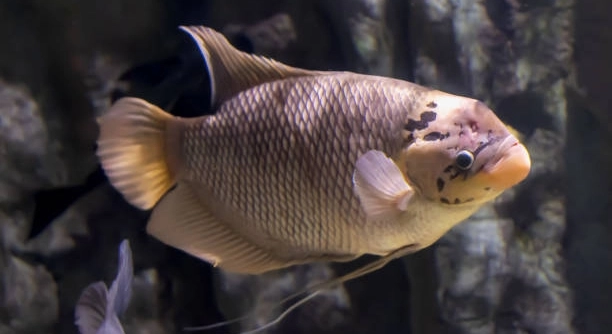
Is your gourami’s tail curling inward and leaving you wondering if something might be wrong in its tank or routine? Changes in behavior or appearance can often be the first sign of an underlying issue.
The most common reason a gourami’s tail curls inward is due to stress, poor water quality, or illness. Environmental factors like temperature shifts, improper pH, or ammonia buildup can negatively impact a gourami’s health and posture.
Identifying the root cause early helps prevent long-term harm and improves your fish’s well-being. Understanding the signs makes it easier to create a healthier, more balanced aquarium environment.
Common Reasons Your Gourami’s Tail Is Curling
Stress is one of the leading causes of tail curling in gouramis. This can come from aggressive tank mates, sudden environmental changes, or even frequent tank cleaning that disrupts their routine. Poor water quality is another important factor. Ammonia spikes, incorrect pH levels, and inconsistent temperatures can all cause your gourami to react physically, including curling its tail inward. Illnesses such as fin rot or internal infections may also lead to this condition. It’s important to observe for other symptoms like lethargy, loss of appetite, or faded color, which often accompany sickness. Parasites or bacterial infections might be to blame if the condition worsens over time. Keeping a close eye on your gourami’s environment and behavior helps catch these problems early. Regular water tests, a stable routine, and isolation from aggressive tank mates can prevent the issue from escalating. Every small change in their behavior deserves attention.
Tail curling may appear harmless, but it often signals discomfort. It’s best not to ignore this subtle sign.
Simple changes such as stabilizing the water temperature, improving filtration, and feeding high-quality food can help. Consistent lighting, hiding spots, and limited loud noises nearby also create a more peaceful space. These adjustments can reduce stress and support healing.
When to Be Concerned
If the tail remains curled for more than a few days or if other symptoms appear, it’s time to take action.
Long-term tail curling with signs like clamped fins, sluggish behavior, or frequent hiding points to deeper problems. Diseases like fin rot or swim bladder issues may be present, and they require attention. Start by testing the water for ammonia, nitrites, nitrates, and pH balance. Make partial water changes if any values are off. A good filter and heater will maintain a more stable environment. Quarantine any new fish before adding them to the main tank to avoid spreading illnesses. If your gourami continues to look unwell, consider using antibacterial treatments approved for aquariums. Avoid medications unless necessary, as overuse can harm beneficial bacteria in your tank. If you’re unsure, contacting an experienced aquarist or aquatic vet can provide more clarity. Prompt care helps protect not only the affected gourami but the entire tank community.
How to Improve Tank Conditions
Tail curling often improves once the water quality and environment are corrected. Regularly test ammonia, nitrite, nitrate, and pH levels. Stick to a weekly water change schedule, replacing 20–30% of the tank water. Use a reliable filter and ensure good oxygen flow throughout the tank.
A stable temperature between 76°F and 80°F helps gouramis stay comfortable. Use a heater with a thermometer to keep it consistent. Avoid overcrowding the tank, as too many fish create stress and increase waste buildup. Include live plants and décor that allow hiding without blocking swimming space. Feed a mix of high-quality pellets and occasional frozen or live foods. Turn lights off at night and limit activity around the tank during resting hours. These changes might not show results immediately, but over time, they help your gourami regain its strength and natural posture.
Gouramis are sensitive to noise, movement, and lighting changes. Keep the tank in a quiet spot, away from heavy traffic or loud electronics. If your home gets busy during certain times, consider placing a background on one side of the tank to help the fish feel secure. Reduce sudden tank maintenance routines—clean gradually and avoid major overhauls all at once. This encourages stability and calm.
Signs the Problem Is Getting Worse
If your gourami begins floating oddly, showing clamped fins, or becomes increasingly inactive, the condition may be worsening. Changes in appetite and color, frayed fins, or labored breathing are also signs of declining health that should not be overlooked.
A curled tail that doesn’t improve, combined with additional symptoms, often points to something more serious. Bacterial infections may develop slowly, but once visible, they usually require treatment. Internal parasites can also affect posture and movement. Monitor how your gourami behaves during feeding and how it swims. If it struggles to stay upright or avoids food, that’s a red flag. You might need to isolate the fish in a hospital tank. Use aquarium salt or approved medications based on symptoms. Do not rely on general remedies—choose targeted treatments. Early intervention helps prevent the issue from spreading or becoming irreversible. Always handle changes calmly and steadily to avoid creating more stress.
What to Avoid During Treatment
Avoid making too many changes at once. Sudden shifts in water chemistry, lighting, or tank decorations can create more stress. Keep feeding and cleaning routines consistent while the gourami recovers. Stability is more helpful than frequent adjustments.
Do not use multiple medications without proper guidance. Mixing treatments can harm your gourami and disrupt the tank’s balance. If you’re unsure which solution is best, research the symptoms carefully or consult a vet familiar with fish care before adding anything to the water.
Monitoring Recovery
Watch for signs of improvement like a straighter tail, increased activity, and better appetite. These changes may appear slowly over several days. Stick to a regular feeding and cleaning schedule, and continue testing water weekly. Avoid overcrowding and stressful tank mates while your gourami heals.
When to Get Help
If there is no progress after a week or symptoms become worse, reach out to an aquatic vet. Early expert advice can make a big difference.
FAQ
Why is my gourami’s tail curling inward but otherwise healthy?
A curled tail can sometimes be a mild stress response rather than a sign of illness. Changes in tank environment like water temperature, lighting, or nearby noise can cause temporary curling. If your gourami is eating well, swimming normally, and shows no other symptoms, simply focus on maintaining stable water conditions. Make sure water parameters are within the recommended range and keep tank routines consistent. This often helps the tail return to normal over time without additional treatment.
Can tail curling be a sign of fin rot?
Yes, fin rot is a common bacterial infection in gouramis that can cause tail curling. If the edges of the tail appear ragged, discolored, or have a white or red rim, fin rot may be present. This condition worsens without treatment and can spread to other fins. Quarantine the affected fish and treat with antibacterial medications specifically designed for fin rot. Improve water quality by doing regular partial water changes and monitoring ammonia and nitrite levels closely.
Is poor water quality the main cause of tail curling?
Poor water quality is often the root cause behind tail curling. Ammonia, nitrites, or high nitrate levels irritate fish and affect their health. Imbalanced pH and inconsistent temperature also cause stress, leading to physical symptoms like curling tails. Testing water regularly and maintaining a clean tank with a good filtration system is critical. Avoid overfeeding, remove uneaten food, and change water partially each week to keep the environment healthy.
How can I tell if my gourami is stressed?
Stress in gouramis shows through behavior and physical signs. Common indicators include hiding more often, loss of appetite, color fading, rapid gill movement, and clamped fins. Tail curling is often part of this stress response. Stress usually results from aggressive tank mates, poor water conditions, overcrowding, or sudden changes in lighting or temperature. Addressing these issues can help reduce stress and improve your fish’s well-being.
Can diet affect tail curling?
While diet alone rarely causes tail curling, poor nutrition weakens your gourami’s immune system and slows healing. Feeding a varied diet with high-quality pellets, flakes, and occasional frozen or live foods supports overall health. Avoid overfeeding, as excess food pollutes the water and worsens conditions. A balanced diet helps your gourami resist infections and recover faster from stress-related problems.
Should I quarantine a gourami with a curling tail?
Quarantining is a wise step if the tail curling persists or worsens, especially if other symptoms appear. Separating the fish prevents possible spread of infection and allows close monitoring. In quarantine, you can control water conditions more easily and provide targeted treatments if needed. Use a small, clean tank with stable temperature and filtration for best results.
How long does it take for a gourami’s tail to heal?
Healing time varies depending on the cause and treatment. Mild stress-related curling might improve in a few days to a week once conditions stabilize. If caused by infections like fin rot, it may take 2 to 3 weeks with proper medication and care. Patience and consistent tank maintenance are essential during recovery.
Are there any natural remedies for tail curling?
Improving water quality, reducing stressors, and providing a proper diet are natural ways to help your gourami’s tail. Adding live plants and creating hiding spots can also create a calmer environment. Aquarium salt, used sparingly, may reduce stress and fight minor infections, but should be used carefully and only if compatible with all tank inhabitants.
Can tail curling lead to permanent damage?
If left untreated, tail curling caused by infections or chronic stress can lead to fin loss or deformities. Persistent poor water quality and untreated diseases weaken the fish’s overall health, making recovery difficult. Early detection and treatment minimize the risk of lasting damage.
Is it normal for gouramis to have slightly curled tails?
A slight curl might be natural for some gouramis or a temporary response to minor stress. However, if the curl is severe, persistent, or accompanied by other symptoms, it indicates a problem. Always monitor for changes in behavior or appearance and act accordingly.
What tank mates are best to prevent stress-related tail curling?
Choose peaceful tank mates that don’t nip fins or compete aggressively. Avoid overly active or large fish that can intimidate gouramis. Suitable companions include small tetras, rasboras, and peaceful bottom dwellers like Corydoras catfish. Providing plenty of space and hiding places helps reduce conflicts and stress.
How often should I test water parameters to prevent tail curling?
Testing water at least once a week is recommended. Frequent testing helps catch issues early before they affect your fish’s health. Use a reliable test kit to monitor ammonia, nitrite, nitrate, pH, and temperature. Adjust as needed to keep conditions stable.
Can tail curling be related to swim bladder problems?
Swim bladder issues mostly affect buoyancy and swimming rather than tail position. However, swim bladder problems can cause stress, which might indirectly lead to tail curling. If your gourami has difficulty swimming upright or floats unevenly, it may need different treatment focused on diet and water quality.
Is lighting important to prevent tail curling?
Consistent and moderate lighting supports fish health. Sudden or harsh lighting changes cause stress, which may contribute to tail curling. Provide about 8 to 10 hours of light daily, followed by darkness for rest. Avoid placing the tank in direct sunlight or noisy areas.
What role does tank size play in tail curling?
A tank that is too small causes overcrowding and stress, leading to physical problems like tail curling. Gouramis need at least 20 gallons with enough swimming space and hiding spots. Larger tanks help maintain water quality and reduce aggressive behaviors. Proper tank size is essential for long-term health.
Final Thoughts
Tail curling in gouramis is a sign that something in their environment or health needs attention. It often signals stress, poor water quality, or an infection like fin rot. Addressing the underlying causes quickly can prevent further damage and help your fish recover. Regular monitoring of water parameters, maintaining a clean tank, and providing a balanced diet are key steps to support your gourami’s health. Consistency in care helps reduce stress, which is one of the main triggers for tail curling.
If you notice tail curling, it is important to act calmly and methodically. Avoid rushing to multiple treatments or making sudden changes in the tank. Instead, start by testing water quality for ammonia, nitrites, nitrates, and pH levels. Keeping the tank stable with proper filtration and regular water changes can make a big difference. Observe your gourami for other signs like ragged fins, discoloration, or changes in behavior to better understand the issue. When necessary, isolating the fish in a quarantine tank allows for more focused treatment and recovery without risk to other tank mates.
Patience is necessary when dealing with tail curling. Healing can take time, especially if infection is involved. Providing a calm environment and avoiding overcrowding helps your gourami regain strength. If the problem persists or worsens, consulting a vet who specializes in aquatic animals may be needed. Preventative care through stable water conditions, proper diet, and careful tank management reduces the chances of tail curling. Taking these steps ensures your gourami can live a healthier, more comfortable life.

Hello,
If you enjoy the content that we create, please consider saying a "Thank You!" by leaving a tip.
Every little bit helps us continue crafting quality advice that supports the health, happiness, and well-being of pets around the world, for pets of all shapes, sizes, and species.
We really appreciate the kindness and support that you show us!