
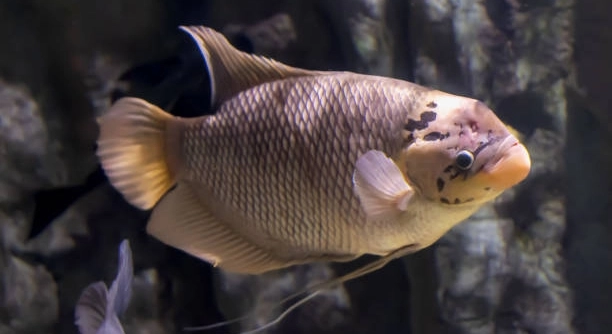
Is your gourami suddenly losing its vibrant color, leaving you worried and unsure about what’s going wrong in the tank? You’re not alone—this is something many fishkeepers deal with unexpectedly.
Rapid color loss in gourami is commonly caused by stress, poor water quality, illness, dietary deficiencies, aging, inadequate lighting, or environmental changes. Each of these factors can influence the health and appearance of your fish.
Learning how these issues affect your gourami can help you take simple, effective steps to restore their color and overall well-being.
Stress from Environmental Changes
Sudden changes in a gourami’s environment can lead to stress, causing their color to fade quickly. Moving them to a new tank, shifting tank mates, or making sudden water parameter adjustments can all lead to stress responses. These fish are sensitive to change, and even a minor shift in temperature or pH can make them uncomfortable. When stressed, their immune system weakens, and the bright pigments that usually shine through their skin become dull. It’s important to make any changes gradually—whether it’s cleaning the tank, introducing a new fish, or adjusting lighting—to help them feel safe and secure. Providing stable water conditions, consistent lighting schedules, and quiet surroundings goes a long way. Use a thermometer and test kit to keep track of water conditions and avoid abrupt disruptions. Over time, consistency encourages your gourami to regain their natural color and remain healthy in their environment.
Stress also makes your gourami more prone to illness, making color loss worse.
To avoid this, always acclimate your fish slowly when moving them. Keep tank maintenance on a schedule, and avoid overhandling. If you suspect your fish is stressed, look for other symptoms like hiding, erratic swimming, or loss of appetite. A calm space can make a big difference.
Poor Water Quality
Poor water quality is one of the fastest ways to cause color fading in gourami. Unstable or toxic water parameters can wear down their health.
Ammonia and nitrite buildup are often behind this problem. These toxins can rise quickly in tanks that aren’t cleaned regularly or are overstocked. Gourami need clean water with stable pH, ammonia, nitrite, and nitrate levels. Test strips or liquid kits help monitor these conditions easily. If your readings are off, do partial water changes and clean filters to restore balance. Uneaten food and waste also pollute the water, so avoid overfeeding. A dirty tank stresses your fish, weakens their immunity, and affects their vibrant appearance. Keep an eye on the water temperature too—fluctuations can stress your gourami, especially if your tank doesn’t have a heater. When water conditions improve and remain stable, you’ll often see their color slowly returning. Healthy water equals a healthy, colorful fish. Clean tanks are one of the most effective ways to support their well-being.
Illness or Disease
If your gourami is losing color fast, illness may be involved. Bacterial, fungal, or parasitic infections often show up through color changes, clamped fins, and low activity. Treating early gives your fish the best chance.
One common issue is Ich, a parasite that creates tiny white spots on the body and fins. It also causes color to fade as your fish becomes stressed and weakened. Fungal infections can appear as cotton-like patches and may lead to dullness. Internal infections might not show visible signs at first, but pale or graying colors can be an early warning. It’s important to quarantine any new fish and keep the main tank clean. If you suspect illness, isolate the affected fish and treat with the proper medication after identifying symptoms. Timely treatment, along with water changes and stable conditions, can stop the spread and help your gourami start healing and regaining its color.
Medications like aquarium salt, antifungal drops, or antiparasitic treatments can help clear up disease if used properly. Always follow the label instructions. Avoid mixing multiple medications unless advised. Keep lights dimmed and the tank quiet during treatment. After recovery, continue observing your fish closely. Even if symptoms clear up, color might take time to return fully.
Inadequate Diet
Feeding your gourami a poor or unbalanced diet affects their color and overall health. Fish need a mix of nutrients to keep their scales bright and their systems strong. Skipping variety can lead to fading.
Color in gourami comes from pigments like carotenoids, which they get through food. A diet that lacks quality flakes, pellets, or freeze-dried options rich in those nutrients can cause their vibrancy to fade. Spirulina, brine shrimp, daphnia, and specially formulated color-enhancing foods are good choices. Rotate their meals throughout the week and avoid overfeeding, which can pollute the tank and reduce appetite. Try offering small portions two times a day to keep their digestion smooth. Don’t rely on one brand or type of food. Just like humans, fish benefit from diversity. With consistent, balanced meals, you should notice their colors returning and their energy improving. What they eat directly affects how they look and feel.
Aging
As gourami get older, it’s natural for their colors to fade. Aging affects pigment production and overall vitality. This kind of fading happens slowly and isn’t usually linked to other health problems or environmental stress.
You might notice less activity and slower movements as they age. These are normal signs that come with time.
Inadequate Lighting
Lighting plays a role in how vibrant your gourami appear. Without proper exposure, their natural colors won’t show well, even if they’re healthy. Use full-spectrum aquarium lights and keep them on for 8–10 hours daily to support their appearance and rhythm.
Aggressive Tank Mates
Aggressive tank mates can stress your gourami and cause rapid color fading. Constant chasing or nipping leaves them anxious and less active. Choose calm, peaceful companions that won’t compete or bully them to help maintain their natural look.
FAQ
Why is my gourami turning pale overnight?
A sudden color loss overnight is often caused by stress. This could be from a sudden temperature change, aggressive tank mates, or poor water quality. Gourami are sensitive to their environment, and even small shifts can trigger a fast reaction. Check your heater, look for signs of bullying, and test your water immediately. Ammonia or nitrite spikes often go unnoticed until your fish show physical changes. Once the cause is identified and fixed, color can return within days if the fish isn’t too stressed or sick.
Can poor water quality cause color loss in gourami?
Yes, bad water quality is one of the most common causes of fading color. Ammonia, nitrite, or high nitrate levels make the environment toxic. Gourami respond by losing color, hiding, or breathing heavily at the surface. Regular water changes, a well-functioning filter, and consistent testing are essential. Even if the tank looks clean, invisible waste can build up fast. Test weekly and do partial water changes often. Stability is key. A clean tank helps maintain bright colors, reduces stress, and keeps your gourami active.
How can I tell if my gourami is sick or just stressed?
It can be hard to tell, but a few clues help. Stress usually causes behavior changes like hiding or not eating. Illness adds physical signs like spots, fuzzy patches, or bloating. If your fish is pale and also swimming oddly, isolating themselves, or has ragged fins, illness may be the issue. Always watch for combinations of symptoms. Stress can also lead to illness, so even if it starts small, act early. Look at what changed recently—water quality, new fish, loud noises—then adjust. If symptoms worsen, consider treatment.
Do gourami lose color when sleeping?
Yes, gourami may look paler while sleeping. It’s normal and temporary. They usually regain their full color once they wake and become active. Sleep allows their body to rest, and less movement means less blood flow to the skin, making colors duller. This is nothing to worry about unless the faded look continues after waking. If your fish stays pale all day, check for other stressors or health issues. But if they brighten up in the morning, it’s likely just part of their normal rest cycle.
Should I change my gourami’s diet if it’s losing color?
Yes, changing the diet can help. Color loss may be due to missing nutrients. Offer high-quality flakes or pellets made for tropical fish, and rotate with color-boosting options like brine shrimp, bloodworms, or spirulina. Feed small amounts twice daily, and avoid letting food sink uneaten. Fish, like people, need a mix of foods to stay healthy. Improving their diet can bring color back within a few weeks, especially if poor nutrition was the main cause. Just be consistent and don’t overfeed, since that leads to cloudy water.
Can a gourami regain its color after fading?
In most cases, yes. If the fading was caused by stress, water issues, or poor diet, color can return once the problem is fixed. However, aging or chronic illness might lead to permanent dullness. Provide a clean tank, balanced meals, and peaceful tank mates. Be patient—it may take several days or weeks to see improvement. Sudden improvement or changes might also signal other issues, so monitor carefully. If your gourami stays pale despite good care, it might be genetic or simply part of getting older.
Is it normal for female gourami to have less color than males?
Yes, this is completely normal. Male gourami are often more colorful, especially during breeding. Females tend to have duller shades. This difference helps them avoid unwanted attention in the wild. If your female gourami is healthy but less vibrant, it may just be natural coloring. However, if she fades further or behaves oddly, check her environment and health. Natural dimness is different from color loss due to stress or sickness. Compare her current color to when you first brought her home to spot changes.
Final Thoughts
Gourami losing color can be upsetting, especially if you’ve had your fish for a while and noticed a sudden change. These changes often point to something off in their tank or health. Common causes include stress, poor water quality, an unbalanced diet, or even illness. Sometimes, it’s something as simple as a new tank mate or a loud noise near the aquarium. Other times, it can be linked to poor lighting or water temperature changes. Since gourami are sensitive fish, even small issues can cause them to react quickly. Paying attention to their behavior and environment helps catch problems early and gives your fish a better chance to recover.
Color loss doesn’t always mean something is seriously wrong, but it’s important not to ignore it. A small change in appearance might be your gourami’s way of telling you that it’s not comfortable. If you notice dull colors along with odd behavior—like hiding, lack of appetite, or erratic swimming—take action right away. Test the water, check for signs of bullying, and look at what may have changed recently. Often, just improving tank conditions or adjusting the feeding routine can make a big difference. Keep in mind that a well-maintained aquarium with consistent care can prevent most problems from starting.
Caring for gourami is rewarding, but it takes attention to detail. Their colors are not only beautiful but also a sign of their overall well-being. A bright and active fish is usually a healthy one. Keeping your gourami happy means giving them a clean tank, stable water conditions, the right food, and a stress-free environment. Try to watch them daily, even if it’s just for a few minutes, so you can catch any changes early. If something seems off, don’t wait too long to respond. The sooner you act, the better your fish will feel. In the end, simple routines like weekly water checks, varied feeding, and quiet surroundings can go a long way. When you take care of these basics, your gourami is more likely to stay colorful, peaceful, and healthy for a long time.

Hello,
If you enjoy the content that we create, please consider saying a "Thank You!" by leaving a tip.
Every little bit helps us continue crafting quality advice that supports the health, happiness, and well-being of pets around the world, for pets of all shapes, sizes, and species.
We really appreciate the kindness and support that you show us!