
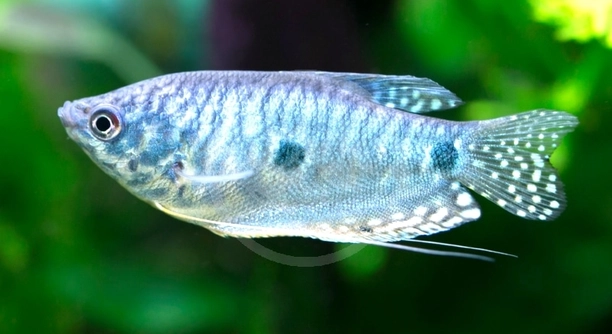
Are your gourami calm during the nighttime hours? Many fish owners notice changes in behavior when the lights go out. Understanding how gourami behave at night can help you create a peaceful aquarium environment.
Gourami generally remain quiet and inactive during the night. Their natural behavior involves resting without much movement or noise. This calm period is important for their health and mimics their natural habitat’s day-night cycle.
Knowing how gourami act after dark can improve your care routine and help you recognize any unusual changes early on. This insight supports a healthy and happy fish tank environment.
How Gourami Behavior Changes at Night
Gourami are known to be more active during the day when they swim around, explore their tank, and interact with their environment. As the lights dim, they gradually slow down and prepare to rest. At night, gourami usually find a quiet spot among plants or decorations and stay mostly still. This resting phase is essential because it allows them to conserve energy and recover from their daytime activities. You might notice they barely move or react to minor disturbances, which shows they feel secure in their habitat. It’s important to keep the aquarium environment stable during this time, avoiding loud noises or sudden changes in lighting. Consistency helps gourami maintain their natural rhythm, leading to better health and less stress. Understanding these behavior patterns can improve how you care for your fish and ensure their nighttime rest is undisturbed.
Nighttime quietness is a natural behavior that supports gourami’s well-being.
When gourami are restless or active at night, it may indicate a problem. They might be stressed by poor water quality, sudden temperature changes, or overcrowding. Keeping the tank clean and stable helps prevent these issues and supports a calm nighttime environment.
Feeding Gourami: Day or Night?
Feeding gourami is best done during daylight hours when they are naturally active and ready to eat. Providing food at night can disrupt their rest and lead to leftover food, which can harm water quality. It’s important to feed them small amounts that they can finish quickly. This helps maintain a clean tank and reduces the risk of overfeeding. Offering a varied diet with flakes, pellets, and occasional live or frozen foods keeps gourami healthy and satisfied. By feeding at the right time and in proper amounts, you support their natural habits and help them stay peaceful at night. This simple care tip can make a big difference in how your gourami behave and thrive in their tank.
Nighttime Lighting and Gourami
Gourami need a regular day-night cycle to stay healthy. Too much light at night can stress them and disrupt their rest. Keeping the aquarium dark or dim during night hours supports their natural rhythm and helps them remain calm.
Bright or constant lighting at night can confuse gourami and cause restless behavior. Their eyes are sensitive to light changes, so sudden exposure can trigger stress responses. Using a timer for your tank lights ensures consistent lighting patterns, helping gourami settle down when it’s time to rest. Low light or darkness mimics their natural environment, allowing them to feel safe and secure. Providing hiding spots also reduces stress, giving them a quiet place to relax during nighttime hours.
Adjusting light levels gradually at dusk and dawn benefits gourami by supporting their internal clock. This simple change improves their overall behavior and reduces nighttime activity or aggression in the tank.
Signs of Stress in Gourami at Night
When gourami are stressed, they may behave differently at night than usual. Signs include increased movement, hiding excessively, or gasping at the water surface. Stress can lead to poor health and should be addressed quickly.
Poor water quality is a common cause of stress that affects gourami’s nighttime behavior. Testing and maintaining clean water helps reduce stress and promotes restful nights. Overcrowding or aggressive tank mates also disrupt their calm. Ensuring enough space and compatible companions keeps gourami comfortable. Sometimes, sudden changes in temperature or lighting can cause anxiety, so maintaining stable conditions is important. Recognizing these signs early allows you to take action and improve your gourami’s environment before health problems develop. Regular observation helps keep your fish calm and happy during the night.
Tank Environment and Night Behavior
A calm tank environment helps gourami rest well at night. Avoid loud noises and sudden movements around the aquarium after dark.
Providing plenty of plants and hiding spots allows gourami to feel safe and secure, promoting quiet nighttime behavior.
Temperature’s Impact on Gourami Activity
Temperature plays a big role in how gourami behave at night. Cooler water slows their metabolism, making them less active and quieter. If the tank is too warm, gourami may become restless and show unusual behavior. Maintaining a stable temperature within their ideal range helps keep gourami calm and supports healthy sleep patterns.
Watching for Changes in Nighttime Behavior
Noticing changes in your gourami’s night habits can help catch problems early. If they start moving more or hiding less, it might mean something is wrong.
FAQ
Why are my gourami noisy at night?
Gourami are usually quiet during the night, but if you hear noise, it could be due to stress or discomfort. Loud bubbling sounds or scraping noises might come from tank equipment or other fish. Sometimes gourami make noises when fighting or establishing territory, especially if the tank is crowded or lacks hiding spaces.
Is it normal for gourami to rest at night?
Yes, gourami naturally rest at night. They become less active and stay in one spot, often among plants or decorations. This rest period is important for their health and mimics their natural environment. Providing a quiet, dark tank helps them rest properly.
Can lighting affect gourami behavior at night?
Absolutely. Gourami need a clear day-night cycle to stay healthy. Too much light at night can stress them, making them restless. Using a timer to create regular lighting schedules helps gourami adjust and stay calm during dark hours.
Should I feed my gourami at night?
It’s best to feed gourami during the day when they are most active. Feeding at night can disrupt their rest and lead to uneaten food, which can spoil water quality. Stick to feeding small amounts once or twice daily during daylight hours.
How can I tell if my gourami is stressed?
Signs of stress include excessive hiding, gasping at the surface, loss of color, and unusual restlessness, especially at night. Stress can come from poor water quality, wrong temperature, overcrowding, or aggressive tank mates. Monitoring these signs early can prevent health problems.
What is the ideal tank temperature for gourami at night?
Gourami prefer stable water temperatures between 74°F and 80°F (23°C to 27°C). Cooler temperatures slow their activity and promote rest. Sudden temperature drops or spikes can cause stress and disrupt their nighttime calm.
Can tank decorations affect gourami’s night behavior?
Yes, providing plenty of plants and hiding spots makes gourami feel safe and secure at night. Without these, they might become anxious or more active after dark. Natural hiding places help mimic their natural habitat and encourage restful behavior.
Why does my gourami hide so much at night?
Hiding at night is normal for gourami. It helps them feel protected from potential threats. If they hide constantly during the day, it might indicate stress or illness, but nighttime hiding is part of their natural routine.
Are gourami territorial, and does this affect their nighttime behavior?
Gourami can be territorial, especially males. This can lead to restlessness or chasing behaviors if they feel threatened. At night, they usually settle down, but if your tank is too small or overcrowded, territorial disputes may continue after dark.
What should I do if my gourami’s nighttime behavior changes suddenly?
Sudden changes in behavior often signal a problem. Check water quality, temperature, and tank conditions first. Look for signs of illness or aggression from tank mates. Adjusting the environment and addressing stressors usually helps gourami return to normal nighttime calm.
Gourami are generally quiet and calm during the night, resting as part of their natural routine. This restful behavior is important for their health and well-being. By keeping their environment stable and comfortable, you help your gourami maintain this peaceful state. A calm tank, proper lighting, and a good diet all contribute to healthy night behavior. When gourami rest quietly, it shows they feel safe and content in their surroundings. Paying attention to their night habits can give you clues about their overall health and happiness.
Taking care of gourami means creating a balanced tank environment. Providing enough hiding places with plants and decorations helps them feel secure. Keeping the water clean and at the right temperature supports their natural rhythms. Using a light timer to mimic day and night cycles is a simple but effective way to keep gourami calm after dark. Feeding them during the day and avoiding overfeeding also helps prevent stress and maintains good water quality. All these small details add up to better care and a more peaceful aquarium.
If you notice changes in your gourami’s night behavior, it’s important to investigate. Restlessness, excessive hiding, or gasping at the surface could be signs of stress or illness. Checking water quality, tank conditions, and tank mates can help you find the cause. Acting early makes it easier to fix problems and keeps your gourami healthy. Overall, understanding how gourami behave at night helps you provide the best care and enjoy a calm, beautiful aquarium for years to come.

Hello,
If you enjoy the content that we create, please consider saying a "Thank You!" by leaving a tip.
Every little bit helps us continue crafting quality advice that supports the health, happiness, and well-being of pets around the world, for pets of all shapes, sizes, and species.
We really appreciate the kindness and support that you show us!