
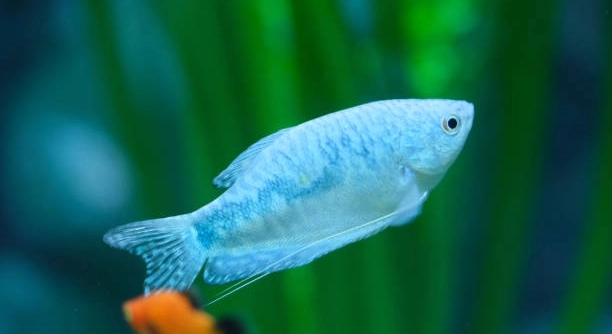
Do you ever wonder what kind of environment gourami fish feel most comfortable in? Many fish owners want to create the best habitat for their gouramis. Knowing whether they prefer calm or busy surroundings can help improve their care.
Gouramis generally prefer calm environments with minimal disturbances. They thrive in peaceful settings that mimic their natural habitats, which are usually slow-moving or still waters. Excessive noise or activity can stress these fish and affect their health negatively.
Understanding how gouramis react to different environments can improve their well-being. This knowledge helps create a space where they can feel safe and flourish in your aquarium.
Understanding Gourami Behavior
Gouramis are peaceful fish that enjoy calm surroundings. They come from slow-moving rivers and ponds where the water is usually still or gently flowing. In these natural habitats, gouramis find places to hide among plants and roots, which help them feel secure. When placed in a busy or noisy aquarium, gouramis can become stressed, showing signs like hiding more often or losing appetite. Providing plenty of plants and quiet corners helps mimic their natural environment. It’s important to avoid sudden movements near the tank or loud noises that might scare them. A calm tank encourages gouramis to swim freely, explore, and interact naturally. Keeping water conditions stable and clean also supports their well-being, as gouramis can be sensitive to changes. Knowing these behavior patterns helps create a space where gouramis can thrive and display their gentle nature.
A calm and stable environment reduces stress and promotes natural behavior in gouramis. They need peaceful spaces to feel safe.
Creating the right environment involves balancing quiet areas with enough space to swim. Adding live plants like java fern or floating plants offers shelter and makes gouramis feel secure. Avoid placing the tank in high-traffic or noisy rooms, as this disturbs them. When feeding, use gentle movements and feed small amounts to prevent overfeeding. Water temperature and quality must be consistent to avoid stressing the fish. Using a gentle filter that does not create strong currents is better, since gouramis prefer slow water flow. Watching how your gouramis respond to the environment helps adjust conditions to their liking. In a calm setting, gouramis are more active, colorful, and healthy.
How Tank Setup Affects Gourami Comfort
Tank setup plays a big role in gouramis’ comfort. A quiet, plant-filled aquarium supports their natural habits.
When setting up a tank, use soft lighting to reduce stress. Avoid overcrowding with too many fish, as this can create chaos. Keep decorations simple and add hiding spots with caves or plants. Consistent maintenance of water parameters is key, as gouramis are sensitive to poor water quality. Placing the aquarium away from loud appliances or direct sunlight helps keep the environment calm. A peaceful tank setup encourages gouramis to display natural behaviors like bubble nesting and gentle swimming. Providing the right environment allows gouramis to thrive and enjoy their home.
Signs of Stress in Gouramis
Gouramis show stress through changes in behavior and appearance. They may hide more, lose appetite, or swim erratically.
When gouramis are stressed, their colors often fade, and they might breathe rapidly or gasp at the surface. Stress can weaken their immune system, making them prone to illness. It’s important to notice these signs early to improve their environment quickly.
Stress often comes from loud noises, strong currents, or overcrowding in the tank. Fixing these issues by reducing disturbances and providing hiding spots helps gouramis feel secure again. Regular water testing and gentle feeding routines also prevent stress.
The Role of Tank Mates
Tank mates influence gouramis’ comfort. Peaceful, slow-moving fish are best companions.
Avoid aggressive or fast fish that can cause stress or compete for food. Ideal tank mates include small tetras, rasboras, or snails. These species usually coexist well without disturbing gouramis.
Introducing compatible tank mates gradually helps maintain harmony. Observe how gouramis interact with new fish and remove any that cause aggression or stress. A balanced community tank supports the calm environment gouramis prefer. This careful selection helps reduce conflicts and ensures everyone thrives together.
Lighting and Gourami Comfort
Gouramis prefer soft, natural lighting. Bright or flashing lights can cause stress and discomfort.
Using dimmable or indirect light helps create a calm environment that mimics their natural habitat.
The Impact of Water Flow
Gouramis thrive in slow-moving water. Strong currents can tire them out and cause stress.
A gentle filter that produces minimal water movement is ideal. This setup allows gouramis to swim comfortably without fighting the flow.
Feeding and Environment Interaction
Feeding routines affect how comfortable gouramis feel. Sudden changes in feeding or aggressive competition can stress them out.
Maintaining a calm atmosphere during feeding helps gouramis eat peacefully and feel secure in their space.
FAQ
Do gouramis get stressed easily?
Yes, gouramis can be sensitive to changes in their environment. Loud noises, strong water currents, and overcrowded tanks are common causes of stress. Stress may lead to hiding, loss of appetite, or dull colors. Keeping a calm, stable habitat helps prevent stress and keeps gouramis healthy.
Can gouramis live with other fish?
Gouramis do well with peaceful, slow-moving fish like tetras or rasboras. Avoid aggressive or very active fish, as they can stress gouramis by chasing or competing for food. Introducing tank mates slowly and observing their behavior ensures a peaceful community tank.
What kind of plants are best for gourami tanks?
Live plants like java fern, hornwort, and floating plants are great choices. They provide hiding spots and help reduce water movement, making gouramis feel safe. Plants also improve water quality by absorbing nitrates and providing oxygen.
How often should I feed my gourami?
Feed gouramis small amounts once or twice a day. Overfeeding can pollute the water and stress the fish. Use sinking pellets or flakes made for gouramis, and occasionally add frozen or live foods like brine shrimp or bloodworms for variety.
Is strong lighting bad for gouramis?
Yes, strong or flickering lights can stress gouramis. They prefer soft, indirect lighting that mimics their natural, shaded habitats. Using dimmable lights or placing the tank away from direct sunlight creates a more comfortable environment.
Why does my gourami hide all the time?
Hiding can mean stress, illness, or discomfort. Check water quality, tank mates, and environment. Make sure the tank has enough plants and hiding spots. If the fish continues to hide, it may be sick and need treatment.
Do gouramis prefer still water or some movement?
Gouramis prefer slow-moving or still water. Strong currents can exhaust them. A gentle filter that provides mild water movement without turbulence is ideal. This mimics their natural habitat and reduces stress.
How can I reduce stress in my gourami’s tank?
Keep the tank in a quiet place away from loud noises or vibrations. Avoid sudden movements near the aquarium. Provide plenty of plants and hiding places. Maintain stable water parameters and feed regularly without overfeeding.
What temperature is best for gouramis?
Gouramis thrive in water between 74°F and 82°F (23°C to 28°C). Consistent temperature helps keep them healthy. Use a reliable heater and thermometer to maintain stable conditions.
Can gouramis live in a busy room?
A busy or noisy room can stress gouramis if the noise is constant or loud. If the tank is placed in such an area, consider soundproofing or moving it to a quieter spot. Calm surroundings help gouramis feel secure and active.
How do I know if my gourami is healthy?
Healthy gouramis have bright colors, swim actively, and eat well. They respond to their environment and show curiosity. Dull colors, clamped fins, or hiding often can indicate illness or stress.
What are common signs of illness in gouramis?
Signs include white spots, torn fins, unusual swimming, or loss of appetite. Treat illnesses early by improving water quality and consulting fish health guides or vets. Keeping stress low reduces disease risks.
Gouramis do best in calm environments that closely match their natural habitats. They come from slow-moving or still waters, so a peaceful tank helps them feel safe and relaxed. Loud noises, strong water currents, and too many active fish can cause stress, which affects their health and behavior. Providing plenty of plants, hiding spots, and soft lighting creates a comfortable space for gouramis. These elements allow them to swim freely and show their natural colors and behaviors. It is important to maintain stable water conditions and keep the tank clean to prevent stress and illness.
Tank mates also play an important role in how comfortable gouramis feel. Choosing peaceful, slow-moving fish that don’t compete aggressively for food helps keep a calm atmosphere. Aggressive or very active fish can scare gouramis or force them into hiding. Watching how gouramis interact with new tank mates is important. If any fish cause stress or fights, they should be removed. A balanced community tank supports gouramis’ well-being and encourages healthy social behavior. Proper feeding routines, like small amounts given regularly, also reduce competition and stress during mealtime.
Overall, attention to a calm and stable environment is key to keeping gouramis happy and healthy. A tank with gentle water flow, soft lighting, plenty of plants, and quiet surroundings helps gouramis thrive. Avoid sudden changes or disturbances to keep stress low. When gouramis feel secure, they show beautiful colors and lively behavior. Regular care and observation help catch any problems early, making sure gouramis live a comfortable life. Creating the right environment is a rewarding way to enjoy these peaceful fish in your aquarium.

Hello,
If you enjoy the content that we create, please consider saying a "Thank You!" by leaving a tip.
Every little bit helps us continue crafting quality advice that supports the health, happiness, and well-being of pets around the world, for pets of all shapes, sizes, and species.
We really appreciate the kindness and support that you show us!