
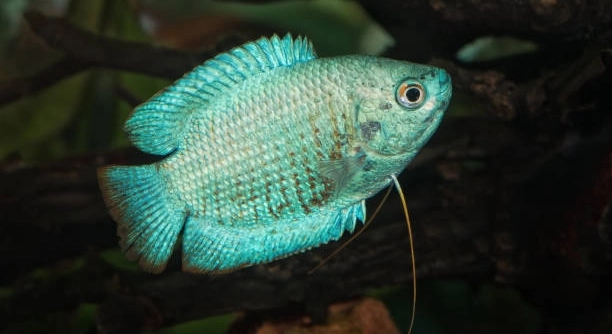
Gouramis are popular freshwater fish known for their gentle nature and unique appearance. Observing their behavior can help you understand their well-being. Recognizing signs of stress is important for maintaining a healthy aquarium environment.
When gouramis feel threatened, they may display changes in swimming patterns, coloration, and body language. These signs include hiding, flaring fins, rapid breathing, loss of appetite, and increased aggression. Identifying these behaviors early can prevent further stress or injury.
Knowing these signs allows you to create a safer, more comfortable space for your gourami. This article will guide you through the key indicators to watch for in your fish’s behavior and environment.
Sudden Changes in Swimming Behavior
When a gourami feels threatened, one of the first noticeable signs is a sudden change in swimming behavior. You might see your fish darting quickly across the tank or staying very still in one spot, often near plants or decorations. These shifts can indicate discomfort or fear. Sometimes, gouramis will avoid their usual swimming routes and hide more than usual. This change helps them stay safe from perceived danger. It’s important to watch for these subtle differences, as they often happen before more obvious signs appear. Noticing this early gives you a chance to adjust the environment or reduce stress factors, such as aggressive tank mates or sudden loud noises. A calm, stable environment helps your gourami feel secure and less likely to show signs of stress.
Swift swimming or hiding often signals that your gourami is feeling uneasy or threatened.
Addressing the cause behind these swimming changes is key to restoring your fish’s comfort. Make sure the tank has plenty of hiding spaces and minimal disturbances. Check water conditions regularly, as poor water quality can increase stress. If you have other fish, watch for bullying or aggressive behavior that might intimidate your gourami. Reducing overcrowding and ensuring proper tank mates can improve its sense of safety. With small changes, you can help your gourami regain normal swimming patterns and feel more relaxed in its home.
Changes in Color and Fin Position
A threatened gourami may show dull or faded colors and keep its fins clamped close to its body. These visual changes are stress signals.
Color loss and fin clamping suggest discomfort or fear in gouramis.
Color and fin changes often occur when gouramis face stress or feel unsafe. Fading colors can mean poor water quality, illness, or anxiety from tank disturbances. When fins are held tightly against the body instead of spread out, it usually shows tension or fear. Watching for these signs helps identify problems early. Improving water quality through regular changes and maintaining stable temperature levels can reduce stress. Also, minimizing sudden movements around the tank or loud noises helps. By providing a peaceful environment, your gourami’s colors can return to their natural brightness, and fins will open fully, showing that your fish feels more secure and calm.
Aggressive or Defensive Behavior
Gouramis may become aggressive or defensive when they feel threatened. This can include flaring their fins or chasing other fish away.
Aggression in gouramis often shows as puffed-up fins and chasing behavior to protect territory. This usually happens if the tank is overcrowded or there are aggressive tank mates. It can also be a response to sudden changes in the environment. Such behavior can stress other fish and lead to injury. Keeping a balanced tank population and providing enough space helps reduce aggression. Monitoring interactions between your fish is important to maintain peace in the tank.
Defensive actions like fin flaring help gouramis appear bigger to threats. This is a natural response but should not last long. If it continues, it means your fish is under ongoing stress. Addressing the cause quickly—such as separating aggressive fish or improving tank conditions—can calm your gourami. A peaceful tank encourages healthier behavior and reduces the risk of fights or injuries.
Loss of Appetite
Loss of appetite is a clear sign that your gourami may be stressed or threatened. When a fish stops eating, it’s often a warning that something is wrong.
Stress can affect a gourami’s desire to eat. Changes in water temperature, poor water quality, or bullying by other fish may cause them to stop eating. Loss of appetite weakens the fish and lowers its immune system, making it more vulnerable to illness. It’s important to check the tank conditions immediately if you notice this behavior. Regular cleaning, stable water parameters, and calm tank mates encourage your gourami to return to normal feeding habits.
To help your gourami regain its appetite, try offering favorite foods in smaller portions and at regular times. Avoid sudden changes in diet or environment, as this can increase stress. If the loss of appetite continues, consider consulting a vet or fish expert to rule out illness. Early action supports recovery and keeps your fish healthy and active.
Hiding More Than Usual
Gouramis often hide when they feel threatened or stressed. They may stay behind plants or decorations longer than normal.
Frequent hiding is a clear sign your gourami feels unsafe. It’s their way of avoiding perceived danger in the tank.
Rapid Breathing
Rapid breathing in gouramis can indicate stress or poor water quality. It means the fish is struggling to get enough oxygen.
Checking oxygen levels and water parameters is important if you see this sign. Improving aeration and keeping water clean helps your gourami breathe easier and feel more comfortable.
Clamped Fins
Clamped fins are a common stress sign in gouramis. It shows the fish is feeling uneasy or threatened.
How can I tell if my gourami is stressed?
Signs of stress in gouramis include changes in behavior such as hiding more than usual, rapid breathing, loss of appetite, and changes in color or fin position. You may also notice aggressive or defensive actions like fin flaring or chasing other fish. Stress often causes your gourami to swim erratically or stay still in one spot. Observing these behaviors closely will help you recognize when your fish feels threatened.
What causes gouramis to feel threatened in their tank?
Common causes include poor water quality, sudden changes in temperature, overcrowding, and aggressive tank mates. Loud noises or frequent tapping on the glass can also frighten gouramis. Lack of hiding spaces or stressful lighting conditions may increase anxiety. Identifying and addressing these environmental factors is key to keeping your gourami calm and healthy.
What should I do if my gourami is showing signs of stress?
First, check water conditions by testing parameters like ammonia, nitrite, nitrate, and pH. Perform regular water changes to improve quality. Ensure the tank is not overcrowded and remove any aggressive fish if necessary. Add plants or decorations for hiding spots. Maintain a stable temperature and avoid sudden changes. Reducing noise around the tank and minimizing disturbances helps as well.
How often should I check my gourami’s tank conditions?
It’s best to test water quality weekly or whenever you notice behavior changes. Keeping a schedule for water changes, usually every one to two weeks, supports a stable environment. Regular observation helps catch problems early before they stress your fish. Proper maintenance prevents many health issues related to stress.
Can stress in gouramis lead to illness?
Yes, prolonged stress weakens the immune system and makes gouramis more vulnerable to diseases like ich, fin rot, or bacterial infections. Stress can also slow healing and cause weight loss. Addressing stress early improves your fish’s chance of recovery and helps maintain overall health.
Is it normal for gouramis to hide sometimes?
Yes, occasional hiding is normal, especially if your tank has plenty of plants or decorations. It helps gouramis feel safe and secure. However, if hiding becomes excessive or your fish stops eating, it’s a sign of stress or illness and should be addressed.
Will gouramis show aggression toward other fish when stressed?
Sometimes. Stress can make gouramis more defensive and territorial, leading to fin flaring, chasing, or nipping at tank mates. Keeping a peaceful community with compatible fish species reduces conflicts. Monitoring interactions ensures everyone stays safe.
What foods help reduce stress in gouramis?
Offering a varied diet with high-quality flakes, pellets, frozen or live foods like brine shrimp and bloodworms can improve nutrition and reduce stress. Feeding smaller amounts more frequently encourages healthy eating habits. Avoid sudden changes in diet to prevent additional stress.
Can lighting affect my gourami’s stress levels?
Yes, harsh or very bright lighting can stress gouramis. They prefer moderate, diffused light with shaded areas to retreat to. Using a timer for consistent day and night cycles helps mimic natural conditions and keeps stress low.
How can I prevent stress in new gouramis?
When adding a new gourami, quarantine it first to avoid disease spread. Introduce new fish slowly and monitor their behavior. Make sure the tank environment is stable with proper water parameters, hiding spots, and peaceful tank mates. Patience and careful observation during acclimation reduce stress.
Knowing how to spot when your gourami feels threatened is very important for their health and happiness. Gouramis are sensitive fish that rely on their environment to feel safe and comfortable. When they show signs like hiding, color changes, or unusual swimming, it means they are stressed or scared. Paying attention to these signals helps you take action early before the situation worsens. Providing a calm, stable tank with good water quality and proper tank mates makes a big difference in how your gourami behaves and thrives.
Creating a safe environment for your gourami involves more than just feeding and cleaning the tank. It means understanding their natural behavior and needs. Gouramis like having places to hide and rest, so adding plants and decorations is helpful. Keeping the water clean and at the right temperature also lowers stress. Avoid overcrowding the tank and watch for any signs of aggression between fish. All these steps help your gourami feel secure, reducing their stress and improving their overall health. When your fish is comfortable, it will show in their bright colors and lively swimming.
Remember, stress is a common issue but it can be managed well with care and attention. Regular observation of your gourami and maintaining good tank conditions are key to preventing problems. If you notice any signs of threat or stress, take quick action by checking water quality and adjusting the environment. Sometimes small changes make a big difference. Keeping your gourami happy means you will enjoy watching them live their best life in your aquarium. Taking the time to learn and respond to their needs shows how much you care about their well-being.

Hello,
If you enjoy the content that we create, please consider saying a "Thank You!" by leaving a tip.
Every little bit helps us continue crafting quality advice that supports the health, happiness, and well-being of pets around the world, for pets of all shapes, sizes, and species.
We really appreciate the kindness and support that you show us!