
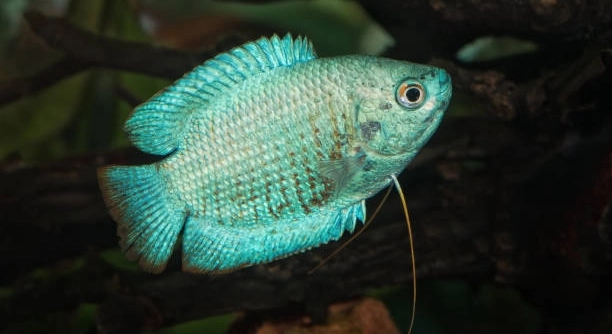
Gouramis are social fish that can sometimes show signs of isolation when kept alone or stressed. Isolation affects their behavior and health, making it important to create a comfortable environment. Proper care helps gouramis thrive and stay active in home aquariums.
Preventing gourami isolation involves maintaining appropriate tank mates, ensuring sufficient space, and providing hiding spots. Consistent water quality, balanced feeding, and regular observation reduce stress and encourage social interaction, promoting overall well-being and preventing loneliness in gouramis.
These seven tips will help keep your gouramis engaged and reduce the chances of isolation affecting their health and behavior.
Provide a Proper Tank Size
A proper tank size is essential to prevent gouramis from feeling isolated. Small tanks limit their movement and reduce opportunities for interaction. Gouramis need enough space to swim freely and establish territories. A minimum of 20 gallons is recommended for one gourami, with larger tanks required for multiple fish. Crowded conditions increase stress and may lead to aggressive behavior. Providing ample space also allows the addition of plants and decorations, which contribute to a natural environment. These elements encourage exploration and hiding, helping gouramis feel secure. Maintaining a balanced environment promotes healthy social behavior and reduces the risk of isolation. When setting up a tank, consider both current and future needs to avoid overcrowding as your fish grow.
Ensuring adequate tank size helps maintain social behavior by reducing stress and providing room to move and explore.
Creating a spacious environment benefits gouramis physically and mentally. Space encourages interaction and reduces territorial disputes. It also allows for proper oxygen levels and easier water maintenance. When gouramis have enough room, they display more natural behaviors, contributing to their overall health and well-being.
Choose Compatible Tank Mates
Selecting tank mates that get along with gouramis is vital to prevent isolation. Aggressive or very active fish can intimidate gouramis, causing them to hide or withdraw. Ideal companions should be peaceful and occupy different tank levels to reduce competition. Avoid fin-nippers, as gouramis have long, flowing fins that can be targeted. Compatibility promotes social interaction and decreases stress, allowing gouramis to engage comfortably in their environment. Careful research on species behavior and temperament will ensure harmonious coexistence. Introducing new fish slowly and monitoring interactions helps identify issues early. By maintaining a balanced community, gouramis are less likely to isolate themselves and more likely to thrive.
Tank mates that complement gouramis’ peaceful nature improve their social environment.
Compatible tank mates create a calm atmosphere that supports gouramis’ social needs. When surrounded by suitable companions, gouramis show more activity and less stress-related behaviors. Mixing species that share similar water requirements and temperaments fosters a stable tank environment. This balance prevents gouramis from feeling threatened or isolated. Tank mates should not compete aggressively for food or space, as this can lead to withdrawal. A well-planned community tank enhances overall fish health and happiness, reducing the chance of isolation and related problems. Taking time to choose the right companions ensures that gouramis remain engaged and content.
Maintain Consistent Water Quality
Consistent water quality is key to preventing stress and isolation in gouramis. Regular water changes and monitoring parameters keep their environment stable. Poor water quality can cause illness, making gouramis hide or avoid interaction.
Keeping water parameters stable reduces stress and promotes natural behavior in gouramis. Testing pH, ammonia, nitrites, and nitrates regularly helps catch issues early. Using a reliable filter maintains cleanliness and oxygen levels. Sudden changes in temperature or chemistry can shock gouramis, triggering withdrawal. Establishing a routine for water changes and tank maintenance supports their health. Clean water encourages activity and social interaction, which counters isolation tendencies. Taking these steps helps keep gouramis comfortable in their environment.
Stable water conditions enhance gouramis’ immune systems, reducing vulnerability to disease and behavioral problems. Proper filtration and regular water changes prevent toxin buildup. Gouramis respond positively to consistent conditions, showing more movement and interaction. Fluctuations in water quality can cause lethargy and hiding, signs of isolation. Maintaining good water quality also benefits tank mates, creating a healthier ecosystem overall. This stability helps gouramis thrive, preventing loneliness caused by stress or sickness.
Offer Plenty of Hiding Spots
Hiding spots are essential for gouramis to feel secure and reduce stress. Plants, caves, and decorations give them places to retreat, which supports social behavior. Without hiding places, gouramis may isolate to cope with anxiety.
Providing diverse hiding places encourages gouramis to explore and interact while feeling safe. Dense plants and structures mimic their natural habitat, offering shelter from perceived threats. Hiding spots reduce aggression by allowing subordinate gouramis to avoid confrontations. They also provide resting areas, important for health. Creating a well-structured environment balances safety and social needs. Gouramis that feel secure are more likely to engage with other fish and display normal behaviors.
Hiding places also add visual interest and create a natural, calming atmosphere. They help reduce stress caused by bright lights or sudden movements outside the tank. The more secure gouramis feel, the less they isolate themselves. A tank rich in hiding spots supports mental well-being, encouraging active and healthy fish.
Monitor Social Behavior Regularly
Regular observation helps detect signs of isolation early. Watching how gouramis interact ensures timely action. Changes in activity or hiding behavior may indicate stress or illness.
Consistent monitoring supports timely adjustments to tank conditions or social groups. Noticing subtle changes in behavior can prevent prolonged isolation and health issues.
Feed a Balanced Diet
Providing varied, nutritious food keeps gouramis healthy and active. Balanced feeding supports energy levels needed for social interaction. Overfeeding or poor diet can cause lethargy and withdrawal.
Avoid Sudden Changes
Sudden changes in environment or routine stress gouramis and may lead to isolation. Maintaining stability promotes comfort and social behavior.
Use Proper Lighting
Appropriate lighting supports natural rhythms and activity. Too much or too little light can cause stress and withdrawal.
FAQ
Why do gouramis isolate themselves?
Gouramis may isolate due to stress, illness, or poor tank conditions. Lack of proper space, incompatible tank mates, or insufficient hiding places can also cause them to withdraw. Changes in water quality or temperature can lead to discomfort, resulting in isolation. Behavioral differences among gouramis sometimes make a particular fish less social.
How can I tell if my gourami is isolated or sick?
Isolation often shows as reduced movement, hiding more than usual, and lack of interaction with other fish. Signs of illness include clamped fins, discoloration, or labored breathing. If your gourami hides constantly and shows physical symptoms, it likely needs attention. Regular observation helps distinguish between temporary shyness and health problems.
What tank size is best for gouramis to prevent isolation?
A minimum of 20 gallons is recommended for one gourami. Larger tanks are necessary when keeping multiple gouramis or other fish. More space allows natural swimming patterns and reduces territorial stress, promoting social behavior and reducing isolation risk.
Can gouramis live alone, or do they need tank mates?
Gouramis can live alone but often benefit from companions to stimulate interaction. Peaceful tank mates that share similar environmental needs help prevent boredom and loneliness. However, avoid aggressive or overly active species that may intimidate gouramis and increase isolation.
What types of tank mates are compatible with gouramis?
Compatible tank mates include peaceful species like tetras, rasboras, and Corydoras catfish. Avoid fin-nippers and aggressive fish that disturb gouramis. Choosing fish that occupy different tank levels reduces competition and stress, fostering a more harmonious environment.
How often should I perform water changes to keep gouramis healthy?
Weekly water changes of 20-30% are ideal to maintain stable water quality. Regular cleaning prevents toxin buildup and reduces stress, which helps prevent isolation. Monitoring water parameters during changes ensures the environment remains suitable for gouramis.
What role do hiding spots play in preventing gourami isolation?
Hiding spots provide safety and reduce stress, encouraging natural behavior and social interaction. Without places to retreat, gouramis may feel threatened and withdraw. Plants, caves, and decorations create a comfortable environment that helps gouramis feel secure.
How important is diet in keeping gouramis social and active?
A balanced diet is essential for energy and health. Nutritional variety keeps gouramis active, reducing the chance of lethargy and isolation. Overfeeding or poor-quality food can lead to health issues and withdrawal. Feeding small, frequent portions helps maintain energy levels.
Can lighting affect gourami behavior?
Yes, proper lighting supports their natural day-night cycle and encourages activity. Too bright or inconsistent lighting can cause stress, leading to hiding or isolation. Using dimmable or natural-spectrum lighting helps maintain a comfortable environment.
What should I do if my gourami continues to isolate despite these tips?
If isolation persists, check for illness and test water quality thoroughly. Sometimes a gourami may need quarantine or medical treatment. Consulting an aquatic veterinarian or experienced hobbyist can help diagnose and resolve underlying problems.
Is it normal for gouramis to have occasional quiet periods?
Yes, gouramis may rest or hide occasionally as part of their normal behavior. Short quiet periods are not necessarily a sign of isolation. However, prolonged hiding or lack of interaction should be addressed promptly.
How can I encourage shy gouramis to socialize more?
Providing a calm, stable environment with plenty of hiding places helps shy gouramis feel safe. Gradually introducing gentle tank mates and minimizing disturbances encourages interaction. Maintaining consistent water conditions and diet also supports social behavior.
Are certain gourami species more prone to isolation?
Some gourami species are naturally more territorial or solitary, such as the kissing gourami. Others, like dwarf gouramis, are more social but sensitive to stress. Understanding your species’ typical behavior helps tailor care to reduce isolation risk.
What signs indicate my gourami is stressed and might isolate?
Signs include rapid breathing, erratic swimming, clamped fins, and hiding. Stress can result from poor water quality, aggressive tank mates, or sudden environmental changes. Addressing stress factors quickly helps prevent isolation.
Can overcrowding cause gourami isolation?
Yes, overcrowding increases competition for space and resources, causing stress and withdrawal. Providing adequate space and reducing fish numbers improves social behavior and reduces isolation chances.
How do temperature changes impact gourami social behavior?
Gouramis prefer stable temperatures between 74–82°F. Sudden temperature drops or spikes cause stress, which can lead to hiding and reduced interaction. Maintaining consistent temperature supports normal activity and socializing.
This FAQ section covers the most common concerns related to gourami isolation. Following these guidelines will help create a healthy environment where gouramis can thrive and stay socially active.
Final Thoughts
Preventing gourami isolation requires attention to their environment, diet, and social needs. Consistent water quality is crucial, as fluctuations can cause stress that leads to withdrawal. Regular water changes and proper filtration keep their habitat stable and comfortable. Providing enough space and compatible tank mates supports natural social behavior. Gouramis that feel secure in their surroundings are less likely to isolate themselves. Maintaining good water conditions and a balanced diet strengthens their health and encourages activity.
Creating a tank environment with plenty of hiding spots helps gouramis feel safe. Plants, caves, and decorations allow them to retreat when needed, reducing anxiety. When gouramis have places to hide, they are more likely to explore and interact with other fish. Proper lighting and a steady routine also support their well-being. Avoiding sudden changes in water parameters or tank layout prevents unnecessary stress. These simple adjustments can make a significant difference in how gouramis behave and interact.
Observing gouramis regularly helps identify early signs of isolation or illness. Paying close attention to their behavior allows for timely intervention. Sometimes a change in tank conditions or diet can resolve problems quickly. If isolation persists, seeking advice from professionals or experienced hobbyists may be necessary. Overall, a stable environment, proper care, and mindful observation promote healthy and social gouramis. This balanced approach benefits both the fish and the aquarium as a whole.

Hello,
If you enjoy the content that we create, please consider saying a "Thank You!" by leaving a tip.
Every little bit helps us continue crafting quality advice that supports the health, happiness, and well-being of pets around the world, for pets of all shapes, sizes, and species.
We really appreciate the kindness and support that you show us!