
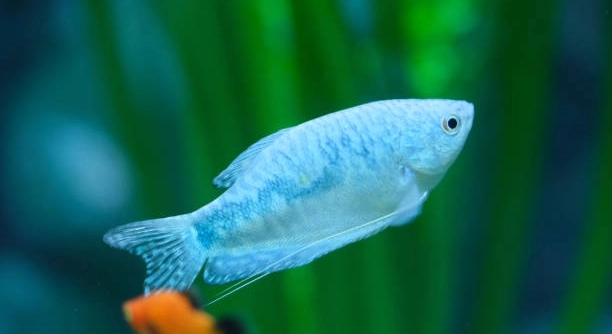
Gourami are popular freshwater fish often kept in home aquariums. Observing them resting near the heater is common and can indicate their need for warmer water. Understanding this behavior helps maintain their well-being in captivity.
Gourami resting near the heater is typically a response to seeking optimal water temperature. Heaters provide warmth, which is essential for their metabolism, digestion, and immune function. Cooler water can slow these processes, prompting them to stay close to heat sources.
This behavior highlights the importance of stable temperature control in aquariums. Proper heating ensures the health and comfort of gourami, making it a crucial aspect of their care.
Reasons Gourami Rest Near the Heater
Gourami are tropical fish that thrive in warmer water temperatures, typically between 75°F and 82°F (24°C to 28°C). When the aquarium temperature drops below this range, they often seek out warmer spots, such as near the heater. This helps them maintain their body functions, including digestion and immune response. Cooler water slows their metabolism, making them less active and more vulnerable to illness. Heaters create a stable temperature environment that mimics their natural habitat. If the heater is placed unevenly or the aquarium is too large for the heater’s capacity, some areas may be cooler. Gourami will instinctively move toward the warmer zone for comfort. It is important to monitor aquarium temperature regularly to prevent temperature fluctuations that stress the fish. Consistent heat promotes healthy behavior and activity levels in gourami, encouraging feeding and growth.
A stable temperature helps gourami avoid stress and illness caused by cold water exposure.
Ensuring the heater functions properly and is suitable for the tank size is critical. Uneven heat distribution can cause gourami to crowd near the heater, leading to stress or aggression. To prevent this, check the heater’s wattage against the tank’s volume. Proper circulation from a filter or water pump also helps distribute heat evenly throughout the aquarium. Regular monitoring with a reliable thermometer will keep temperature steady. Avoid placing the heater in direct contact with decorations or substrate that can affect heating efficiency. Adjust placement if needed to maintain a balanced environment. Providing hiding spots away from the heater allows gourami to rest comfortably without overheating. These steps support healthier, calmer fish by reducing competition for warm space and promoting a more natural swimming area.
How to Maintain Ideal Aquarium Temperature
Consistent temperature control is essential for gourami health.
Use an adjustable heater designed for your tank size and check the temperature daily. Proper equipment prevents sudden drops or spikes.
Choosing the right heater wattage for your aquarium is vital. For most tanks, 3 to 5 watts per gallon is recommended to maintain stable warmth. Too low wattage will struggle to heat the water evenly, causing cold spots. Too high wattage risks overheating and stressing the fish. Installing a reliable thermometer in a central location helps monitor conditions accurately. Set the heater away from water pumps or filters to avoid interference. Additionally, insulating the tank from drafts or sudden temperature changes in the room contributes to steady conditions. During seasonal changes, extra attention to temperature is necessary as room temperatures fluctuate. By maintaining an even, appropriate temperature, gourami remain active, healthy, and comfortable. This care reduces common health issues like fungal infections and lethargy, supporting a balanced aquarium environment.
Signs of Temperature Stress in Gourami
Gourami showing temperature stress often become lethargic and lose appetite. They may also gasp at the water surface or display erratic swimming patterns. These signs indicate the water temperature is outside their comfortable range and needs adjustment.
Prolonged exposure to cold water lowers gourami’s immune system, making them prone to infections and diseases. Stress from improper temperature can cause color fading, clamped fins, or excess mucus production. Behavioral changes include hiding more frequently or isolating themselves from other fish. It is important to observe your gourami regularly for these symptoms. Early detection allows for quick corrections in the aquarium environment. Maintaining stable, warm water reduces stress and supports normal behavior and activity levels.
Sudden temperature fluctuations are particularly harmful, causing shock that can lead to death. Avoid rapid heating or cooling by using a heater with a built-in thermostat. Gradual temperature changes help gourami adjust safely, minimizing health risks. Consistency in their environment is key for long-term well-being.
Adjusting Heater Settings for Gourami Comfort
Heater settings should keep water temperature within the species’ ideal range, usually 75°F to 82°F. Use a reliable thermometer to verify actual tank temperature rather than relying on heater dials alone.
Place the thermometer opposite the heater to ensure the entire tank is properly warmed. Adjust the heater gradually if the temperature is too low or too high, avoiding sudden changes. If the aquarium is large, consider using multiple heaters or a more powerful model for even heat distribution. Regularly check equipment for faults, such as inconsistent heating or damage. Combining a heater with a filter system helps circulate warm water efficiently. Monitoring and maintaining proper temperature ensures gourami remain healthy and active, reducing stress and illness. This simple adjustment can improve your aquarium’s overall balance and the comfort of your fish.
Common Mistakes with Aquarium Heaters
Placing the heater too close to decorations or substrate can cause uneven heating. This limits warm water circulation and creates cold spots.
Not using a thermometer to monitor tank temperature often leads to unnoticed fluctuations, stressing the fish.
Importance of Water Circulation
Good water circulation helps distribute heat evenly throughout the tank. Filters and pumps keep the water moving, preventing warm areas near the heater from becoming too hot while cooler spots remain chilly. Proper circulation supports stable temperature and healthier gourami.
Alternative Ways to Keep Gourami Warm
Using a tank cover or placing the aquarium away from drafts helps retain heat. These methods reduce temperature swings that can affect gourami comfort.
FAQ
Why do gourami stay near the heater all the time?
Gourami stay near the heater to maintain their preferred water temperature. Warmer water supports their metabolism and immune system. If the aquarium is cooler than their ideal range, gourami will instinctively gather near the heat source to stay comfortable. This behavior helps them remain active and healthy.
Is it harmful if gourami rest too long near the heater?
Resting near the heater for extended periods can cause stress if the water becomes too warm or if they crowd the area. Overheating or lack of space may lead to aggressive behavior or illness. Ensure the heater temperature is stable and the tank is large enough for even heat distribution.
How warm should the water be for gourami?
Gourami thrive in temperatures between 75°F and 82°F (24°C to 28°C). Maintaining this range supports their digestion, immune function, and overall activity. Temperatures outside this range can cause stress and health problems.
Can a faulty heater affect gourami behavior?
Yes, a faulty heater may cause temperature fluctuations that confuse gourami. Inconsistent heat can lead to lethargy, stress, or increased hiding. Regularly test your heater and thermometer to ensure stable, appropriate water temperatures.
What are signs of temperature-related stress in gourami?
Common signs include sluggishness, loss of appetite, color fading, clamped fins, and gasping at the surface. Erratic swimming or excessive hiding can also indicate temperature stress. These symptoms suggest the aquarium temperature needs correction.
Should I use multiple heaters in a large tank?
Using multiple heaters can provide more even heat distribution in large aquariums. This reduces cold spots where gourami may cluster. Make sure each heater is appropriate for the tank size, and place them on opposite sides for balanced warmth.
How often should I check the aquarium temperature?
Daily temperature checks are recommended. This helps catch any heater malfunctions or environmental changes early. Consistent monitoring keeps gourami in their ideal temperature range and prevents stress.
Can gourami survive in cooler water?
Gourami can tolerate cooler water briefly, but prolonged exposure slows their metabolism and weakens their immune system. This increases vulnerability to disease and reduces activity. Maintaining stable warmth is essential for long-term health.
What else affects gourami comfort besides temperature?
Water quality, tank size, and hiding places also influence gourami well-being. Proper filtration, regular water changes, and suitable décor reduce stress and improve health. Even with ideal temperature, poor water conditions can harm gourami.
How to gradually adjust water temperature if needed?
Change the water temperature slowly by adjusting the heater a few degrees at a time over several hours or days. Sudden shifts can shock gourami, leading to health issues. Monitor their behavior closely during any changes.
Is it normal for gourami to gather in one spot?
Gourami sometimes group near the heater or other warm areas, especially when the tank temperature is uneven. While occasional clustering is normal, constant gathering may signal temperature problems or stress that needs addressing.
What temperature should I set the heater to if I have other tropical fish?
Set the heater to suit the most temperature-sensitive species in your tank. For gourami and other tropical fish, maintaining 75°F to 82°F is generally safe. Avoid extremes to keep all species comfortable.
Can gourami tolerate brief temperature drops?
Brief temperature drops are usually not harmful if they are mild and short. However, repeated or prolonged drops increase stress and risk of illness. Insulate the tank and keep heaters running reliably to minimize fluctuations.
Are there natural ways to keep gourami warm?
Using aquarium covers and placing the tank away from drafts helps conserve heat naturally. Live plants can slightly stabilize temperature but do not replace a heater. Keeping room temperature steady supports aquarium warmth.
What type of heater is best for gourami tanks?
Submersible heaters with adjustable thermostats are recommended. They provide precise temperature control and are easy to position for even heat. Choose one rated for your tank size to ensure effective heating.
Can overheating cause gourami to avoid the heater?
Yes, if the water near the heater becomes too hot, gourami will avoid that area and seek cooler spots. Overheating can cause stress, so monitor heater settings carefully to keep temperature within the ideal range.
Final Thoughts
Maintaining the right water temperature is essential for gourami health and comfort. These fish rely on stable warmth to support their metabolism, immune system, and activity levels. When the water is too cold, gourami often seek heat sources like the aquarium heater to regulate their body temperature. This behavior is natural, but it also signals that the tank temperature may need attention. Keeping water within the ideal range of 75°F to 82°F helps prevent stress and promotes overall well-being. Regular monitoring and proper equipment use play key roles in achieving this stability.
It is important to understand how heaters work and how to place them correctly in the aquarium. A well-positioned heater ensures even heat distribution throughout the tank, preventing hot or cold spots. Using a reliable thermometer and checking the water temperature daily can avoid unexpected fluctuations that might harm the fish. For larger tanks, multiple heaters might be necessary to maintain consistent warmth. Additionally, good water circulation improves heat spread and contributes to a healthier environment. Avoiding rapid temperature changes and providing a stable habitat will reduce stress and support gourami’s natural behavior.
Other factors also affect gourami’s comfort, such as water quality and tank size. Clean water and a well-maintained filtration system are necessary to complement proper temperature management. Providing hiding spaces and enough room helps gourami feel secure, reducing stress-related behavior like resting too long near the heater. Small adjustments in care, such as insulating the tank or protecting it from drafts, can also help keep temperature steady. Understanding these combined factors ensures gourami live in a balanced environment that supports their health and longevity.

Hello,
If you enjoy the content that we create, please consider saying a "Thank You!" by leaving a tip.
Every little bit helps us continue crafting quality advice that supports the health, happiness, and well-being of pets around the world, for pets of all shapes, sizes, and species.
We really appreciate the kindness and support that you show us!