
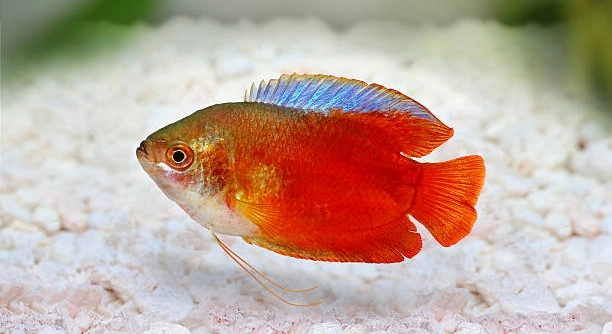
Have you recently added a gourami to your aquarium and are unsure what changes to expect in your tank environment?
After adding a gourami, you can expect some behavioral adjustments, minor territorial displays, and a shift in tank dynamics. These fish may explore actively, interact with tank mates, and show signs of dominance, especially during feeding or nesting periods.
Learning about their habits, compatibility, and signs of stress can help you create a peaceful and balanced tank for your new gourami.
Early Behavior and Adjustments
Once a gourami is introduced to your tank, it may behave shyly at first. It could hide behind plants or decorations while adjusting to the new surroundings. This is normal and usually lasts a few days. During this time, try to keep tank activity calm and avoid sudden changes. As it gets comfortable, it may start swimming more confidently and exploring the space. You might notice it claiming a particular area, especially if you have a male. Some light chasing can occur, especially in smaller tanks, but aggression usually stays mild if the tank is properly stocked and has enough hiding places. Gouramis are labyrinth fish, so they will swim to the surface often to breathe air. This behavior is healthy and expected. Keep an eye on feeding behavior too. If the gourami is eating and swimming well, these are good signs that it is settling in properly.
Avoid overcrowding the tank, as this can stress the new gourami.
In tanks with multiple fish, it’s important to monitor for signs of bullying or stress. A stressed fish might hide excessively, stop eating, or lose color. If this happens, consider adding plants or decorations to break up the space. Rearranging décor can also disrupt established territories, reducing tension. Always maintain water quality by performing regular water changes and testing parameters. A calm environment with stable water conditions encourages healthy adjustment. Also, avoid placing multiple males together in small tanks, as this often increases territorial behavior. If you notice persistent chasing or nipping, separating the fish temporarily or introducing a tank divider may help. In community tanks, choosing peaceful tank mates is key to reducing stress. Look for signs that your gourami is adapting well—active swimming, flared fins during feeding, and interaction with tank mates all suggest a smooth transition.
Feeding and Diet Changes
New gouramis may take a few days before eating consistently. Give them time and offer food in small amounts.
Gouramis are omnivores and benefit from a varied diet. A mix of high-quality flakes or pellets, freeze-dried bloodworms, and occasional blanched vegetables like zucchini or spinach helps maintain their health. Feeding should be done in small portions once or twice daily to avoid overfeeding. Uneaten food can pollute the tank, so remove leftovers promptly. If your gourami shows interest in food within the first few days, this is a good sign it feels safe in its new environment. Avoid feeding only one type of food, as this may cause nutritional gaps over time. If your gourami continues to ignore food after several days, check water parameters and make sure other tank mates aren’t outcompeting it during feeding time. Keeping the diet balanced and consistent plays a big role in helping your gourami settle into its new home with ease.
Tank Dynamics and Compatibility
Gouramis can shift the behavior of other fish in the tank, especially in smaller setups. Some fish may become more territorial or active as they adjust to the new presence.
Male gouramis, in particular, may try to dominate certain areas of the tank, which can lead to chasing or light aggression. Keeping them with peaceful species like tetras, corydoras, or rasboras usually works well. Avoid fin-nipping species such as barbs or overly active fish that may stress them. Adding plants and hiding spots helps reduce tension. If you notice frequent conflicts, rehoming aggressive tank mates or rearranging the tank may calm things down. Consistent observation in the first two weeks helps catch issues early. Compatibility depends not only on species but also on tank size, layout, and the individual temperament of each fish.
If you have more than one gourami, especially males, expect competition for space. In small tanks, this often leads to stress. To help reduce tension, use tall plants or floating vegetation to create visual barriers. Larger tanks (at least 20 gallons) give enough room for multiple gouramis to claim their own territory. If a gourami constantly chases others, it’s better to remove or isolate the aggressor. Female gouramis are usually calmer in groups, especially when paired with only one male. Watching their interactions closely helps avoid long-term problems. Fish showing torn fins, hiding too often, or refusing food may need extra care or isolation. A stable and balanced tank encourages natural behavior and reduces the chances of conflict.
Breeding Behavior and Nesting
Male gouramis may start bubble nest building even without a mate. This is normal and signals that the fish feels secure.
During breeding periods, males can become more territorial. They may guard the nest, chase tank mates away, or flare their fins frequently. If a female is present, the male may begin courtship behaviors such as circling or nudging. After spawning, males guard the eggs and chase others away. If you do not intend to breed gouramis, consider removing the nest or separating fish to avoid aggression. In community tanks, breeding behavior can stress other fish. Males often stop eating while guarding their nest, so keep an eye on their condition. Ensure the water surface is calm and clean to support bubble nests. If breeding does occur, be prepared to separate fry or provide a nursery tank to protect them from being eaten.
Bubble nests are made from saliva and air and float on the water’s surface. Males typically choose still corners or areas with floating plants to begin building. Some males are more active nesters than others, even without a female. This can be a sign of good health and stable tank conditions. However, aggressive guarding of the nest may disturb the tank’s balance, especially in smaller setups. If nest-building leads to persistent chasing, you may need to rehome one of the fish or separate them with a divider. Watching the behavior around the nest helps you decide if intervention is necessary. In peaceful tanks, nests may stay untouched, and fish will resume normal behavior after a few days. Keep water flow low and maintain consistent water quality during this time.
Appetite and Feeding Changes
Gouramis may not eat much in the first few days. Stress from transport or adjusting to a new environment is often the reason. Offer small meals and remove leftovers to keep the water clean.
Once settled, their appetite improves. A mix of flakes, pellets, and frozen foods helps meet their needs.
Filter Flow and Water Movement
Gouramis prefer calm water. Strong filter currents can stress them out or make them hide more often. If your filter creates too much flow, use a sponge pre-filter or add decorations to reduce water movement. Floating plants can also help break surface agitation. Watch how your gourami swims. If it struggles to stay near the top or rests too much at the bottom, the flow might be too strong. Adjusting the current makes a big difference in their comfort. Keep surface movement gentle so they can build nests if they choose to. A stable, quiet surface supports their natural behavior.
Lighting Preferences
Bright lights can make gouramis feel exposed. They usually prefer dim or moderate lighting with shaded spots. Floating plants can help soften the brightness.
What should I do if my gourami hides a lot after adding it to the tank?
Hiding is common in new gouramis adjusting to their environment. Ensure your tank has plenty of plants and decorations to create safe spots. Avoid sudden movements or loud noises near the tank. Maintain stable water conditions and avoid overcrowding. Over time, the gourami should become more active as it feels comfortable.
How long does it take for a gourami to settle in?
Most gouramis begin to settle within one to two weeks. During this time, they gradually explore the tank, eat regularly, and show normal behavior. Some may take longer depending on individual temperament and tank conditions. Patience is important while monitoring their health and interactions with other fish.
Can gouramis live with other fish?
Yes, gouramis generally do well with peaceful species like tetras, rasboras, and corydoras. Avoid aggressive or fin-nipping fish that can stress or injure them. Provide enough space and hiding spots to reduce territorial disputes. Proper compatibility helps maintain a calm tank environment.
What are signs of stress in gouramis?
Common signs include hiding excessively, loss of appetite, faded colors, clamped fins, or rapid breathing. Stress often results from poor water quality, bullying by tank mates, or inadequate tank setup. Addressing these issues quickly helps prevent illness and promotes recovery.
Should I change the diet after adding a gourami?
Gouramis thrive on a varied diet including flakes, pellets, frozen or live foods, and occasional vegetables. Gradually introduce new foods to encourage feeding. Avoid overfeeding to maintain water quality. A balanced diet supports their immune system and vibrant colors.
What if my gourami chases other fish?
Mild chasing is common as gouramis establish territory, especially males. If chasing becomes aggressive or persistent, rearrange tank decorations to break line-of-sight and reduce conflict. Increasing tank size or separating aggressive individuals may be necessary in severe cases.
How do gouramis build bubble nests?
Male gouramis create bubble nests by blowing bubbles coated with saliva at the water’s surface. They choose calm areas, often near floating plants. This behavior signals readiness to breed but can occur even without a mate. The nest serves to protect eggs and fry once spawning occurs.
Is it normal for gouramis to breathe air at the surface?
Yes. Gouramis have a labyrinth organ that allows them to breathe atmospheric air. This is normal behavior, especially in low-oxygen conditions. Ensure your tank has easy access to the surface and stable water quality to support this breathing.
What water conditions do gouramis prefer?
Gouramis prefer warm water between 75°F and 82°F, a pH of 6.0 to 7.5, and soft to moderately hard water. Stable conditions with regular water changes help keep them healthy. Avoid sudden changes in temperature or chemistry, as gouramis are sensitive to fluctuations.
How often should I clean the tank after adding a gourami?
Perform partial water changes of 20-30% weekly to maintain water quality. Remove uneaten food and debris promptly to prevent pollution. Cleaning the filter regularly ensures efficient operation without disrupting beneficial bacteria. A clean tank reduces stress and promotes health.
Can gouramis show aggression toward their own kind?
Yes, male gouramis are territorial and may fight, especially in smaller tanks. Females tend to be less aggressive and can live in groups if conditions are right. Providing ample space and hiding places reduces conflicts. Separate aggressive individuals if fights become serious.
What are common health issues to watch for after adding a gourami?
Watch for signs of ich (white spots), fin rot, or fungal infections. These often result from stress or poor water quality. Early detection and treatment are key. Quarantining new fish before adding them can help prevent introducing diseases.
How important is tank size for gouramis?
Tank size affects behavior and health. A minimum of 20 gallons is recommended for one gourami. Larger tanks provide space to establish territories and reduce stress, especially with multiple gouramis or other species. Proper size supports natural behavior and growth.
How do I encourage my gourami to eat?
Offer a variety of foods, including flakes, frozen bloodworms, or brine shrimp. Feed small amounts to avoid overwhelming a shy or stressed fish. Feeding at the same time daily helps establish routine. If your gourami refuses food for several days, check water quality and tank conditions.
What changes in behavior can I expect as gouramis mature?
As gouramis mature, males become more territorial and may show nesting behavior. Activity levels may increase, and interactions with other fish can become more pronounced. Females may become less active but usually remain peaceful. Adjust tank setup to accommodate these changes.
How can I reduce stress for my new gourami?
Maintain stable water parameters and a quiet environment. Avoid overcrowding and aggressive tank mates. Provide plenty of plants and hiding spaces. Regular maintenance and gentle feeding routines support a smooth adjustment. Minimizing disturbances helps your gourami feel safe and secure.
Is it necessary to quarantine a new gourami?
Quarantining new fish for two weeks is recommended to prevent disease introduction. This allows monitoring for illness and reduces stress on established tank inhabitants. Quarantine tanks should have stable water conditions and minimal stress factors to support recovery and observation.
Adding a gourami to your aquarium brings a new dynamic to the tank environment. These fish can be peaceful, colorful, and engaging pets when cared for properly. Understanding their behavior and needs helps ensure they settle in smoothly. Gouramis may initially show signs of stress, such as hiding or decreased appetite, but this usually improves with time and proper care. Providing a calm environment with stable water conditions and enough hiding spots supports their adjustment.
It is important to observe your gourami’s behavior regularly after introduction. Changes in activity levels, appetite, or interaction with other fish can indicate how well the fish is adapting. Adjusting factors such as water flow, lighting, and tank mates can reduce stress and promote natural behavior. Feeding a balanced diet that includes a variety of food types helps keep gouramis healthy and vibrant. Routine maintenance, including partial water changes and filter care, also contributes to a stable and clean habitat for the fish.
Patience is essential when adding any new fish, including gouramis. Each fish has a unique temperament and may require time to feel secure in a new environment. By maintaining consistent care and minimizing disturbances, you can help your gourami thrive. Proper preparation and attention to their needs will lead to a healthy and peaceful aquarium community. Watching your gourami grow and display natural behaviors offers rewarding experiences as a fish keeper.

Hello,
If you enjoy the content that we create, please consider saying a "Thank You!" by leaving a tip.
Every little bit helps us continue crafting quality advice that supports the health, happiness, and well-being of pets around the world, for pets of all shapes, sizes, and species.
We really appreciate the kindness and support that you show us!